
THE IDENTIFIER | PEOPLE PLUS
SYNERGISTIC DESIGN
FRIENDSHIPS
RELATIONSHIPS
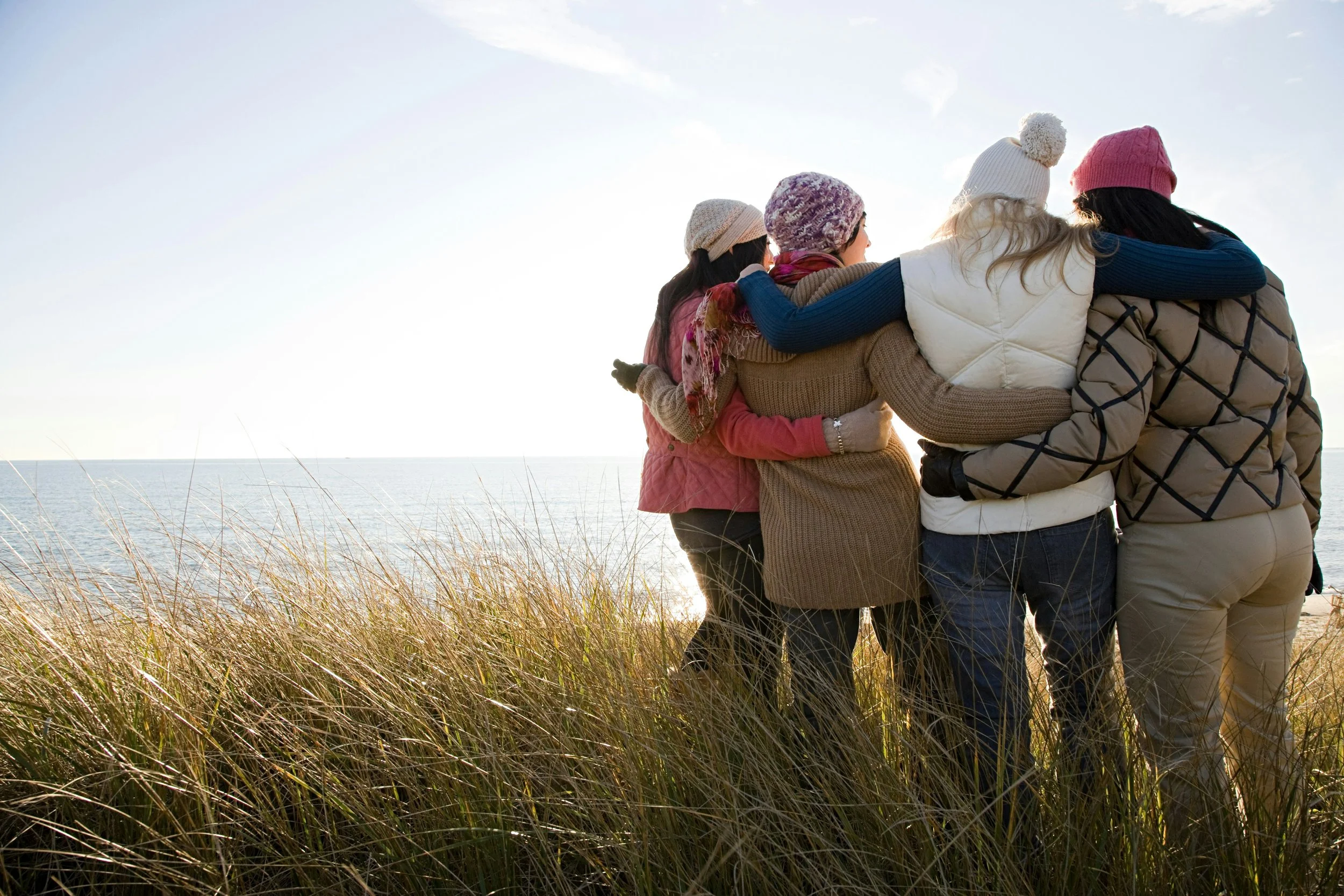
For you, with a Synergistic Design, friendship is a carefully structured and harmonious relationship that thrives on balance, organization, and clear communication. You view friendships as dynamic systems where each person plays a specific role, contributing to the overall well-being and success of the group. Your natural inclination towards order and structure means that you are often the one who ensures that everything runs smoothly within your friendship circles, from organizing events to facilitating communication and collaboration.
-
You approach friendship with the mindset that it should be a well-organized system where everyone knows their place and responsibilities. For you, a successful friendship is one where each person’s strengths are recognized and utilized, and where there is a clear understanding of how everyone contributes to the group. You take pride in your ability to create and maintain this order, ensuring that your friendships are not only harmonious but also highly functional.
-
In your friendships, you often take on the role of the organizer or leader. Whether it’s planning group outings, coordinating schedules, or setting up regular get-togethers, you enjoy bringing people together in a structured and purposeful way. You have a natural talent for logistics, and you use this to ensure that everyone in your friend group stays connected and engaged. Your friends appreciate your ability to make things happen and to keep the group on track.
-
For you, friendship is about creating a harmonious environment where everyone feels valued and respected. You are sensitive to the dynamics within your friend group and work to maintain a balance that ensures no one is left out or overlooked. You believe that each person’s contribution is important, and you strive to create a sense of synergy where the group functions as a cohesive whole. This focus on balance helps to prevent conflicts and ensures that everyone feels they have a place in the friendship.
-
You value clarity in your friendships, especially when it comes to roles and expectations. You believe that everyone should know what is expected of them and how they can best contribute to the group’s success. Whether it’s deciding who takes the lead on certain tasks, or setting expectations for communication and participation, you are proactive in establishing clear guidelines that help keep the friendship organized and efficient. This clarity helps to avoid misunderstandings and ensures that everyone is on the same page.
-
Effective communication is a cornerstone of your approach to friendship. You understand that for a group to function well, there needs to be open and clear communication among all members. You often take the lead in facilitating discussions, ensuring that everyone’s voice is heard and that any issues are addressed promptly. You value transparency and believe that honest communication is key to maintaining the harmony and order that you strive to create in your friendships.
-
Collaboration is highly valued in your friendships. You see the potential for greater success when everyone works together, combining their unique strengths and perspectives. You enjoy fostering a collaborative spirit within your friend group, encouraging teamwork and mutual support. Whether it’s organizing a group project, planning a trip, or simply working together to solve a problem, you believe that collaboration leads to better outcomes and stronger bonds.
-
Stability and consistency are important to you in friendships. You value relationships that are predictable and dependable, where there is a shared commitment to maintaining the friendship over time. You work to create routines and traditions that help to reinforce the stability of your friendships, such as regular meet-ups, consistent communication, and shared rituals. This consistency helps to build trust and ensures that your friendships remain strong and resilient.
-
You have a keen sense of how to balance individual needs with the goals of the group. You understand that while it’s important for everyone to contribute to the friendship, it’s also essential to respect each person’s individual needs and boundaries. You strive to create an environment where everyone feels supported in pursuing their own interests while also being committed to the group’s collective goals. This balance helps to ensure that your friendships are both fulfilling and sustainable.
-
When conflicts arise, you approach them with a structured and fair mindset. You believe in addressing issues directly but in a way that maintains harmony and respects everyone’s perspectives. You are likely to mediate conflicts within your friend group, ensuring that all parties are heard and that a fair resolution is reached. Your focus on fairness and order helps to resolve conflicts efficiently and prevents them from disrupting the balance of your friendships.
Summary
For you, with a Synergistic Design , friendship is about creating a structured, harmonious, and well-functioning relationship where everyone knows their role and contributes to the whole. You approach friendships with a focus on organization, balance, and effective communication, ensuring that your relationships are not only enjoyable but also highly efficient and stable. By leading group activities, facilitating collaboration, and maintaining order, you help to create friendships that are strong, cohesive, and resilient. Friendship, for you, is a dynamic and well-orchestrated partnership where each person plays a vital role in the success of the group.
Here are 10 things you tend to value in a friendship:



-
You deeply value friendships that are harmonious and balanced. You appreciate relationships where everyone feels respected and where there is a sense of equilibrium in how the group functions. You seek to create and maintain a peaceful environment in your friendships, where conflicts are minimized and everyone’s contributions are valued.
-
Clear communication and transparency are crucial to you. You value friends who are open, honest, and straightforward in their interactions. You appreciate when everyone communicates clearly, ensuring that misunderstandings are avoided and that the group functions smoothly.
-
You value organization and structure in your friendships. Whether it’s planning activities, coordinating schedules, or setting expectations, you appreciate a well-organized approach to maintaining the friendship. You feel more comfortable and secure when there is a clear structure in place, allowing the relationship to run efficiently.
-
Collaboration is important to you in a friendship. You appreciate friends who are willing to work together to achieve common goals, whether it’s planning an event, solving a problem, or supporting each other in personal endeavors. You value the synergy that comes from combining each person’s strengths and perspectives.
-
You value friends who are committed to the well-being of the group as a whole. You appreciate when everyone is invested in making the friendship circle function well, ensuring that everyone feels included, supported, and valued. This commitment to the group’s well-being is key to maintaining a strong, cohesive friendship.
-
You deeply value consistency and reliability in your friendships. You appreciate friends who are dependable and who follow through on their commitments. Knowing that you can count on your friends to be consistent in their actions and attitudes is important to you, as it helps maintain stability in the relationship.
-
Respect for roles and boundaries is key in your friendships. You appreciate when everyone in the group understands and respects each other’s roles, whether it’s in decision-making, planning, or simply how you interact. You value friendships where personal boundaries are honored, allowing everyone to feel comfortable and respected.
-
You value friendships where there is alignment in values and goals. You appreciate relationships where both you and your friends share a common vision for how the friendship should function, as well as similar life values and priorities. This alignment helps to create a more harmonious and unified group dynamic.
-
When conflicts arise, you value friends who approach resolution with fairness and a focus on restoring harmony. You appreciate when disagreements are handled thoughtfully, with everyone’s perspective being considered, and when the goal is to reach a fair and balanced solution that benefits the group as a whole.
-
Long-term stability is important to you in your friendships. You value relationships that are built to last, where there is a mutual commitment to maintaining the friendship over time. You appreciate friends who are in it for the long haul, who are willing to invest the time and effort needed to sustain a strong, enduring bond.
These values highlight your preference for friendships that are reliable, respectful, and aligned in terms of values and goals. You seek relationships where consistency, fairness, and long-term commitment are central, ensuring that your friendships are stable, well-structured, and enduring.
Synergistic Design
Seven Friendship Relational Dynamics
Primary Drive: Order
Core Directionality: structure, integration, coordination, role clarity, sustainable harmony
For the Synergistic design, friendship is rooted in relational cohesion and shared belonging within a healthy social system. Guided by the Order drive, Synergistic individuals naturally pay attention to how relationships connect, interact, and function together. Friendship becomes a place where people are brought into alignment, where connections are strengthened, and where the group begins to operate with greater unity and cooperation.
Because of this orientation, Synergistic individuals often engage friendships through integration and coordination. They instinctively notice how different personalities, roles, and relationships fit together within the wider social environment. As a result, they often work—sometimes quietly and sometimes actively—to organize gatherings, connect people who would benefit from knowing each other, and help the group function with clarity and harmony.
Over time, friendship grows through shared participation in a connected relational network. Rather than seeing friendships as isolated one-to-one relationships, the Synergistic individual often views them as part of a larger social ecosystem where trust, collaboration, and mutual contribution can flourish together.
Within this relational lens, several dynamics often shape how the Synergistic design experiences friendship:
Relational coordination — helping people connect and interact in ways that strengthen the group.
Network integration — bringing individuals into a cohesive relational environment.
Social alignment — encouraging shared direction, cooperation, and understanding among friends.
Harmonizing presence — reducing friction and helping relationships function smoothly.
Community cultivation — creating spaces where multiple friendships can thrive together.
In this way, friendship for the Synergistic design becomes a relational ecosystem, where connection grows not only through individual bonds but through the shared harmony and integration of the group as a whole.
-
“How do we all fit together?”
Synergistic individuals often view friendship within the larger social structure.
They tend to notice:
group dynamics
relational roles
social balance
unspoken tensions
They often work to ensure the friend group functions cohesively.
Distortion risk
over-managing group dynamics
trying to control social outcomes
Mature expression
They help coordinate relationships without controlling them.
-
“Everyone should know their part.”
Synergistic individuals often value clear expectations within friendships.
They appreciate friends who:
show up when they say they will
respect shared plans
contribute to group stability
This creates a sense of predictable relational rhythm.
Distortion risk
frustration when others are spontaneous
rigid expectations for how friendships should operate
Mature expression
They allow flexibility while maintaining healthy structure.
-
“Let’s restore balance.”
Synergistic individuals often act as mediators within friend groups.
They may:
de-escalate disagreements
translate perspectives between people
help restore relational equilibrium
They are naturally drawn to rebuilding cohesion after conflict.
Distortion risk
avoiding necessary confrontation
suppressing tension for the sake of peace
Mature expression
They address conflict honestly while protecting relational harmony.
-
“Let’s organize something.”
Synergistic individuals frequently take initiative in organizing social activities.
They may:
coordinate gatherings
plan trips
structure group events
ensure everyone is included
They bring intentional organization to social life.
Distortion risk
becoming overly controlling of plans
feeling responsible for everyone’s experience
Mature expression
They create structure while allowing others to participate organically.
-
“This group matters.”
Unlike designs that prioritize individual bonds, Synergistic individuals often value the friend group as a whole.
They work to:
maintain group cohesion
prevent fragmentation
integrate new members smoothly
They often become the relational glue of the group.
Distortion risk
prioritizing group stability over personal boundaries
tolerating unhealthy dynamics to maintain unity
Mature expression
They protect both group cohesion and individual health.
-
“Is the relationship functioning well?”
Synergistic individuals often evaluate friendships through system stability.
Internal questions may include:
Are we coordinated well?
Is communication clear?
Is the group balanced?
Are relationships functioning smoothly?
Persistent dysfunction or chaos may cause them to disengage.
Distortion risk
avoiding emotionally messy relationships
withdrawing from unpredictability too quickly
Mature expression
They tolerate relational complexity without abandoning structure.
-
“Let’s bring people together.”
Synergistic individuals often serve as connectors within their social networks.
They may:
introduce friends to one another
create new relational connections
build integrated social circles
They enjoy seeing relationships fit together harmoniously.
Distortion risk
over-curating relationships
feeling responsible for everyone getting along
Mature expression
They create opportunities for connection without forcing alignment.
Mature Synergistic Friend
As the Synergistic individual matures, their natural instinct to organize and harmonize relationships becomes balanced with humility, openness, and relational flexibility. Their ability to see how people fit together within a social system remains strong, but it is no longer driven by the need to control or manage outcomes. Instead, their awareness of relational dynamics becomes a source of connection and cooperation.
They become structured without rigidity, able to bring clarity and coordination without forcing others into fixed roles. They are harmonizing without suppressing truth, helping relationships move toward unity while still allowing honest conversations to take place. Their organizational strengths remain present, yet they become organized without controlling others, creating space for people to contribute freely. At the same time, their stabilizing presence is paired with adaptability—they become stabilizing while allowing relational flexibility.
Within friendship, this maturity often gives the Synergistic individual a distinctive role. They frequently become the coordinator of the social ecosystem, helping friendships connect and function together rather than remaining isolated. They are often the mediator who restores balance, able to navigate relational tension and guide conversations toward understanding. Most importantly, they become the friend who keeps relationships connected, ensuring that people remain included, heard, and valued within the group.
Because of this, friendships with Synergistic individuals often feel cohesive, organized, and enduring. Their presence tends to transform scattered relationships into connected communities where cooperation and shared belonging can flourish.
That is the gift of Order expressed through friendship.
Synergistic Friendship Matrix
How an Order-primary (Synergistic) individual relates to each IMD design in friendship
| Friend’s Design | Relational Dynamic | Strengths | Risks | Growth Opportunity |
|---|---|---|---|---|
| Synergistic (Order) | Shared harmony-and-structure bond. Both prefer clear expectations, consistent rhythms, and friendships that fit well into the larger system of life. Trust grows through reliability, boundaries, and follow-through. | Stable connection, dependable plans, clear communication, strong long-term consistency. | Rigidity, over-structuring the friendship, low spontaneity, “friendship as maintenance.” | Keep a steady rhythm but add play: unstructured hangouts, flexibility windows, and warmth without agenda. |
| Experiential (Fulfillment) | Fulfillment brings warmth, spontaneity, and emotional engagement; Order brings stability and balance. Friendship thrives when Order welcomes emotion and Fulfillment respects structure. | Warm + stable friendship, balanced social experiences, supportive repair after tension. | Order may feel emotionally “crowded”; Fulfillment may feel restricted or managed. | Order: make room for feelings and connection. Fulfillment: communicate needs early and honor plans. |
| Intuitive (Awareness) | Awareness bonds through truth and integrity; Order bonds through cohesion and clarity. The friendship often feels thoughtful and principled—stable in rhythm and deep in conversation. | Meaningful dialogue, clear boundaries, shared values, calm and dependable connection. | Order can feel rigid; Awareness can feel critical if constantly questioning relational patterns. | Order: allow nuance and curiosity. Awareness: communicate concerns with appreciation, not just critique. |
| Industrious (Support) | Support shows care through loyalty and showing up; Order shows care through balance, organization, and consistency. Friendship becomes dependable, often strengthened through shared commitments and practical life support. | High reliability, steady presence, strong mutual respect, consistent communication. | Friendship becomes duty-centered, limited emotional expression, over-responsibility for maintenance. | Build warmth into the structure: appreciation, shared enjoyment, and time together that isn’t “productive.” |
| Conceptual (Discovery) | Discovery expands ideas and explores new frameworks; Order integrates and stabilizes. Friendship works best when Discovery feels free to explore and Order feels respected for rhythm and predictability. | Thoughtful conversations, balanced creativity and structure, life-design and system-building synergy. | Order feels destabilized by constant new angles; Discovery feels constrained by “rules” or fixed routines. | “Stable core, flexible edge”: keep consistent connection habits, and timebox exploration windows for new ideas. |
| Enterprising (Progress) | Progress brings momentum and ambition; Order brings planning and sustainable structure. Friendship can feel supportive and goal-oriented when Progress respects pacing and Order supports growth without controlling it. | Structured progress, dependable accountability, helpful planning, stable encouragement toward goals. | Order can feel restrictive; Progress can feel chaotic; friction around spontaneity vs planning. | Agree on expectations: Progress communicates changes early; Order allows flexibility windows without destabilizing trust. |
| Economical (Resource) | Resource values wise investment and security; Order values cohesion and stability. Friendship tends to be calm, consistent, and long-lasting—built through trust, boundaries, and predictable rhythm. | Strong stability, clear boundaries, reliable plans, long-term trust and continuity. | Too predictable, emotional reserve, resistance to change, friendship feels overly “managed.” | Add softness: protect stability while practicing generosity, warmth, and occasional spontaneity. |