
YOU WERE MEANT TO KNOW WHO YOU ARE.
Synergistic Motivational Design
Strengths:
Strengths are inherent abilities or qualities that a person naturally excels in. These are often cultivated and developed over time through practice and experience.
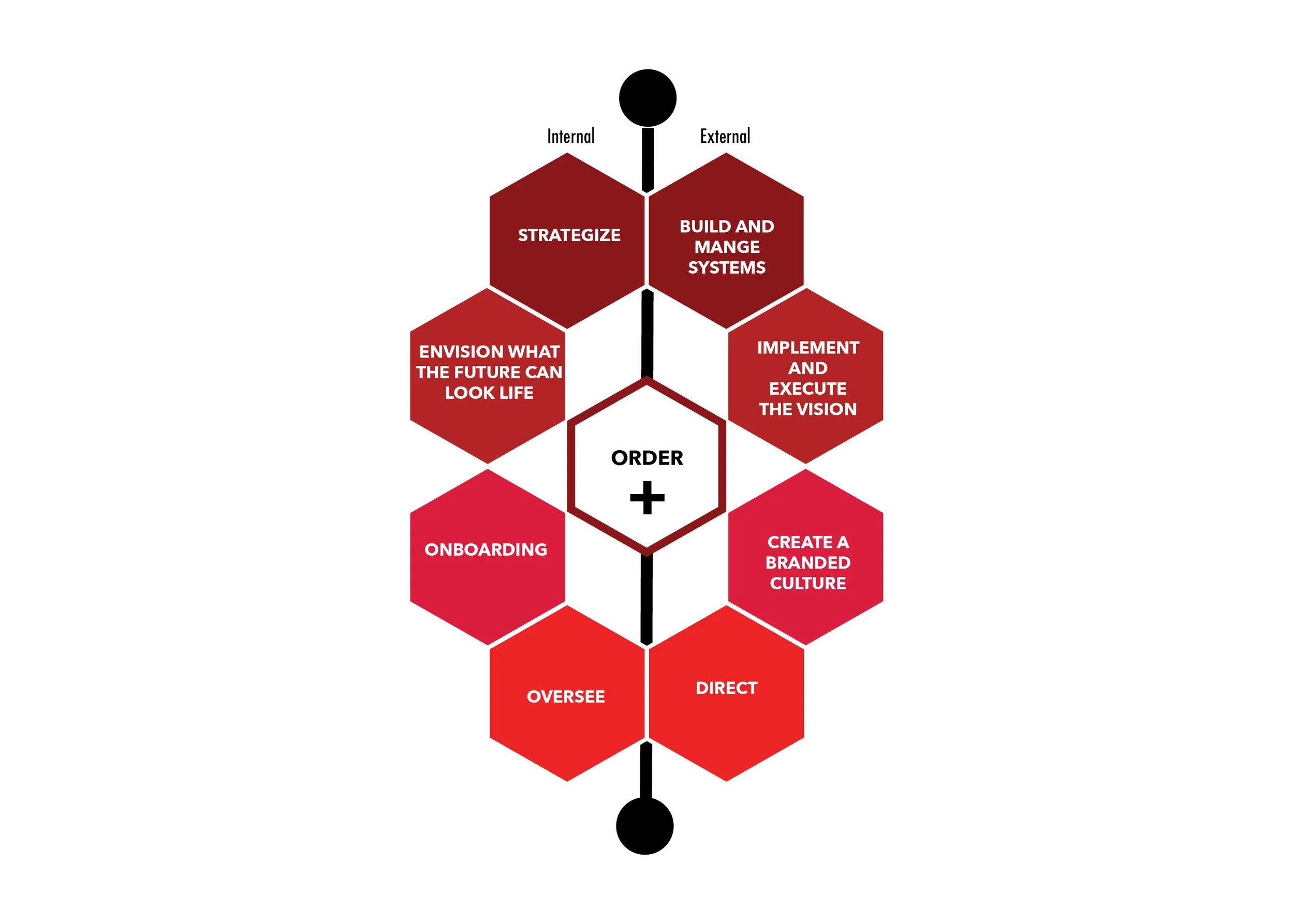
Here are your 8 strengths:
As someone with a synergistic motivational design, your strengths lie in your ability to harmonize people and processes. You excel at strategizing and creating plans that align the efforts of diverse teams toward a common goal. Your talent for systematizing ensures that workflows are integrated and efficient, fostering seamless collaboration. With strong oversight abilities, you adeptly manage projects, ensuring that all parts work together smoothly. Onboarding new members is your strength, as you integrate them into the team effectively, making them feel welcomed and valuable. Your knack for branding helps to create a unified and compelling identity that resonates with everyone involved. Your directing abilities allow you to inspire and guide others, aligning their efforts with the overarching vision. Finally, your ability to envision and execute that vision ensures you can see the big picture and take the necessary steps to bring it to life, creating a cohesive and successful outcome. These strengths make you a master at fostering unity and achieving collective success through collaboration.
Strategize
Synergistic Motivational Design
Strategize
defined
Strategizing is the ability to develop and implement comprehensive plans that align resources, actions, and goals to maximize efficiency and success. It is more than just planning—it is a dynamic, forward-thinking process that integrates multiple perspectives, adapts to changing circumstances, and ensures that all components work together toward a common objective. For those with a Synergistic Design, this strength is a defining trait, enabling them to connect ideas, people, and resources in a way that drives progress and long-term impact.
At its core, strategizing begins with big-picture thinking and systems integration. Individuals with this ability excel at seeing how different elements interact, identifying patterns, and recognizing opportunities for optimization. They naturally assess strengths, weaknesses, opportunities, and risks, allowing them to craft strategies that are both visionary and pragmatic. Their holistic mindset enables them to anticipate challenges before they arise, ensuring that their plans are resilient and adaptable.
Once a strategy is formed, those with strong strategic skills engage in execution and alignment. They do not simply create a plan and hope for the best; they actively manage resources, coordinate teams, and ensure that every action taken is aligned with the overarching vision. Their ability to synthesize complex information from multiple sources allows them to refine their approach in real-time, making necessary adjustments without losing sight of long-term objectives.
Examples
click + expand
-
Imagine you are a senior manager at a tech company tasked with launching a new product. Your ability to strategize allows you to develop a comprehensive plan that covers product development, marketing, and sales.
You analyze market trends, assess the competitive landscape, and identify target customer segments. You then create a detailed roadmap that includes timelines, resource allocation, and key performance indicators (KPIs). By aligning the efforts of different departments and anticipating potential challenges, you ensure a successful product launch that meets or exceeds company goals.
-
In your personal life, strategizing can help you achieve significant milestones and manage your resources effectively. Suppose you are planning to buy your first home. Your ability to strategize allows you to create a step-by-step plan to achieve this goal.
You start by assessing your financial situation, setting a budget, and researching the housing market. You then create a savings plan, explore mortgage options, and identify potential properties that meet your criteria. By following a clear strategy, you navigate the complex home-buying process successfully and make a well-informed decision that aligns with your long-term goals.
-
Consider a scenario where you are a university professor designing a new curriculum. Your ability to strategize allows you to create a comprehensive and engaging educational program.
You begin by assessing the needs and goals of your students, reviewing existing curricula, and identifying key learning objectives. You then develop a structured plan that includes course content, teaching methods, assessment strategies, and resources. By aligning these elements and anticipating potential challenges, you create a curriculum that enhances student learning and achieves academic excellence.
-
In creative professions, strategizing can enhance project management and innovation. Suppose you are a creative director leading a major advertising campaign. Your ability to strategize allows you to develop a cohesive and effective campaign plan.
You start by analyzing market research, understanding the client's goals, and identifying the target audience. You then create a strategy that includes creative concepts, media channels, timelines, and budget allocation. By coordinating the efforts of your creative team and aligning all aspects of the campaign, you ensure a successful and impactful advertising effort.
-
As an entrepreneur, strategizing is crucial for building and growing a successful business. Imagine you are starting a new venture in the health tech industry. Your ability to strategize helps you create a robust business plan.
You conduct market research, analyze competitors, and identify your unique value proposition. You then develop a strategy that includes product development, marketing, sales, and funding plans. By aligning your team's efforts and anticipating market trends, you position your startup for sustainable growth and success.
-
As a leader, strategizing is essential for guiding your organization toward its goals. Suppose you are the CEO of a nonprofit organization focused on environmental conservation. Your ability to strategize helps you create a long-term vision and plan.
You begin by assessing the organization's strengths and weaknesses, analyzing environmental challenges, and setting strategic goals. You then develop a comprehensive plan that includes fundraising, advocacy, and program implementation. By aligning your team's efforts and continuously adapting to changes, you drive significant progress toward your mission.
-
Example in Sports:
In sports, strategizing can enhance team performance and achieve competitive success. Imagine you are the coach of a basketball team preparing for the championship. Your ability to strategize allows you to develop a winning game plan.
You start by analyzing the strengths and weaknesses of your team and opponents, reviewing game footage, and setting specific goals. You then create a strategy that includes training programs, game tactics, and player roles. By aligning the efforts of your team and continuously adapting your strategy, you maximize the chances of winning the championship.
-
In relationships, strategizing can help you navigate challenges and achieve shared goals. Suppose you and your partner are planning to start a family. Your ability to strategize allows you to create a comprehensive plan.
You begin by discussing your goals and expectations, assessing your financial situation, and researching parenting resources. You then create a strategy that includes budgeting, healthcare, and work-life balance plans. By aligning your efforts and anticipating potential challenges, you prepare for a smooth and fulfilling journey into parenthood.
-
Your ability to strategize can also benefit your community. Imagine you are leading a community initiative to reduce local crime rates. Your ability to strategize allows you to develop an effective plan.
You start by analyzing crime data, identifying hotspots, and understanding the underlying causes. You then create a strategy that includes community engagement, partnerships with law enforcement, and preventive measures. By aligning community efforts and continuously evaluating the impact, you contribute to a safer and more cohesive community.
-
In healthcare, strategizing can improve patient care and operational efficiency. Suppose you are a hospital administrator tasked with improving patient satisfaction. Your ability to strategize allows you to develop a comprehensive improvement plan.
You begin by analyzing patient feedback, identifying key issues, and setting measurable goals. You then create a strategy that includes staff training, process improvements, and resource allocation. By aligning the efforts of different departments and continuously monitoring progress, you enhance patient satisfaction and the overall quality of care.
Strengthen your ability to Strategize
Strengthening your ability to strategize involves enhancing your skills in planning and decision-making to achieve long-term goals. Start by practicing strategic thinking through scenario planning and SWOT analysis. Progress by developing comprehensive strategic plans for projects or initiatives, considering various factors and contingencies. Ultimately, refine your strategies by seeking feedback from peers and mentors and adapting them based on real-world results.
Activities:
click + expand
-
Practice strategic thinking through scenario planning and SWOT analysis.
Coaching Tip: Regularly brainstorm different scenarios and analyze their potential impacts to sharpen your strategic foresight. This foundational step helps you develop a proactive approach to potential challenges and opportunities.
Activity 1: Scenario Planning Sessions - Conduct regular scenario planning sessions. Identify different potential future scenarios relevant to your goals and brainstorm the possible impacts of each scenario. Document your findings.
Activity 2: SWOT Analysis Practice - Regularly perform SWOT (Strengths, Weaknesses, Opportunities, Threats) analyses for your projects or initiatives. Identify internal strengths and weaknesses as well as external opportunities and threats.
Activity 3: Strategic Brainstorming - Set aside time each week for strategic brainstorming. Think about different ways to achieve your goals and the potential risks and benefits of each approach.
-
Coaching Tip: Include clear objectives, timelines, and resources needed in your plans, and review them periodically. A well-structured plan ensures that all aspects of the project are considered and managed effectively.
Activity 1: Goal Setting - Define clear, specific objectives for your projects or initiatives. Ensure these objectives are aligned with your long-term goals and are SMART (Specific, Measurable, Achievable, Relevant, Time-bound).
Activity 2: Timeline Creation - Develop detailed timelines for each project, outlining key milestones and deadlines. Use tools like Gantt charts to visualize the project timeline.
Activity 3: Resource Planning - Identify the resources needed for your projects, including personnel, budget, and materials. Ensure that you have accounted for all necessary resources and have a plan to secure them.
-
Coaching Tip: Present your strategic plans to trusted advisors and incorporate their suggestions to improve your approach. Constructive feedback helps refine your strategies and ensures they are robust and effective.
Activity 1: Peer Review Sessions - Organize regular peer review sessions where you present your strategic plans to colleagues. Encourage open discussion and constructive criticism.
Activity 2: Mentor Consultations - Seek feedback from experienced mentors. Present your plans and ask for their insights on potential improvements and risk mitigation.
Activity 3: Continuous Adaptation - Based on the feedback received, continuously adapt and refine your strategies. Document changes and the rationale behind them to track the evolution of your strategic plans.
-
Critical Thinking: Develop your critical thinking skills to analyze and evaluate information effectively. Question assumptions and consider multiple perspectives.
Flexibility: Stay flexible and open to change. Effective strategies often require adjustments based on new information and changing circumstances.
Data-Driven Decision Making: Use data and analytics to inform your strategic decisions. Leverage tools and software to gather and analyze relevant data.
Risk Management: Incorporate risk assessment into your strategic planning. Identify potential risks and develop contingency plans to address them.
Networking: Build a network of peers and mentors who can provide valuable feedback and support. Engage in professional associations and attend industry events to expand your network.
Continuous Learning: Stay updated on industry trends and best practices. Attend workshops, read industry publications, and take relevant courses to enhance your strategic planning skills.
Documentation: Keep detailed records of your strategic plans and the outcomes of your initiatives. Use this documentation to learn from past experiences and improve future strategies.
By implementing these activities and coaching tips, you can strengthen your ability to strategize, enhancing your skills in planning and decision-making to achieve long-term goals. This approach will help you develop effective strategies, adapt to changing conditions, and achieve sustained success in your personal and professional endeavors.
Ways you can use your strengths
Strategizing
Your ability to strategize allows you to develop clear, effective plans that guide teams and organizations toward their goals. By thinking ahead and considering all possible outcomes, you create strategies that maximize success and minimize risks. Through strategic planning, you ensure that efforts are focused and aligned with long-term objectives, setting the stage for sustainable growth.
click + expand
-
Using your strategic skills to help your community develop long-term plans involves addressing local issues, allocating resources effectively, and setting achievable goals for growth. This requires understanding the community's current needs, predicting future challenges, and setting a clear vision for the future. By engaging community members and stakeholders in the planning process, you ensure that the plans reflect the collective priorities and are practical to implement. Your efforts help create a roadmap for sustainable development that benefits everyone in the community.
Practical Applications:
Community Visioning Sessions: Facilitate sessions where community members can share their ideas and priorities, helping to shape a shared long-term vision.
Resource Mapping: Develop a detailed map of community resources, identifying how they can be best utilized to achieve strategic goals.
Stakeholder Engagement: Engage local businesses, government, and non-profits to gain support and alignment for the community’s strategic plan.
Monitoring and Evaluation: Create a system to regularly monitor progress towards the community's long-term goals, allowing for adjustments as needed.
-
In your personal life, developing strategies for achieving long-term goals is key to staying focused and on track. Whether your goals are related to career, financial planning, or personal development, having a clear strategy helps you make informed decisions and allocate your time and resources effectively. By setting specific, measurable, achievable, relevant, and time-bound (SMART) goals, you can track your progress and stay motivated. Your personal strategy acts as a guide, ensuring that you make consistent progress toward your desired outcomes.
Practical Applications:
Goal Setting: Use the SMART framework to set clear and achievable personal goals, ensuring that you have a roadmap for success.
Time Management: Develop a time management plan that prioritizes activities aligned with your long-term goals, helping you stay focused and avoid distractions.
Financial Planning: Create a financial strategy that supports your long-term objectives, such as saving for retirement, buying a home, or investing in education.
Personal Growth Plan: Outline a personal development plan that includes acquiring new skills, pursuing hobbies, and maintaining well-being.
-
In the workplace, using your strategic abilities to help your organization develop and implement effective business strategies is crucial for driving growth and success. This involves analyzing market trends, assessing internal strengths and weaknesses, and setting clear objectives that align with the company’s vision. By crafting a comprehensive strategy, you help the organization navigate competitive landscapes, optimize resources, and achieve its long-term goals. Your contribution to business strategy ensures that the organization remains competitive and responsive to changing market conditions.
Practical Applications:
Market Analysis: Conduct thorough market analysis to identify trends, opportunities, and threats, informing the strategic direction of the business.
SWOT Analysis: Lead a SWOT analysis (Strengths, Weaknesses, Opportunities, Threats) to assess the organization’s position and determine strategic priorities.
Strategic Planning Workshops: Facilitate workshops with key stakeholders to brainstorm and develop the organization’s strategic plan.
Performance Metrics: Establish performance metrics to monitor the implementation of the business strategy and ensure that goals are being met.
-
Assisting non-profits in developing strategies that maximize their impact is essential for ensuring they meet their mission goals and use resources efficiently. This involves helping non-profits identify their key objectives, assess their resources, and develop plans that align with their mission and vision. By providing strategic guidance, you help these organizations navigate challenges, measure their impact, and achieve sustainable growth. Your support enables non-profits to make a greater difference in their communities and achieve their long-term goals.
Practical Applications:
Mission Alignment: Ensure that the non-profit’s strategic plan is aligned with its mission and vision, focusing on the most impactful activities.
Resource Optimization: Help the organization allocate its resources efficiently, maximizing the impact of its programs and services.
Fundraising Strategy: Develop a fundraising strategy that supports the non-profit’s strategic goals, ensuring long-term financial sustainability.
Impact Measurement: Implement systems to track and measure the impact of the non-profit’s work, using data to refine strategies and improve outcomes.
-
Working with family members to create strategies for achieving collective goals helps ensure that everyone is on the same page and working towards shared objectives. This could include saving for a family vacation, planning for education, or improving overall health and well-being. By developing a family strategy, you help coordinate efforts, manage resources effectively, and set realistic timelines for achieving these goals. Your strategic approach fosters collaboration and ensures that family goals are met in a structured and harmonious manner.
Practical Applications:
Family Financial Planning: Develop a financial strategy that includes budgeting, saving, and investing to achieve collective financial goals.
Health and Wellness Goals: Create a family wellness plan that includes regular exercise, healthy eating, and medical check-ups to improve overall health.
Education Planning: Strategize for educational goals, such as saving for college or supporting continuous learning opportunities for all family members.
Vacation Planning: Plan family vacations strategically, balancing fun and relaxation with budget considerations and long-term financial goals.
-
Sharing your strategic skills with others by mentoring them in how to develop and implement effective strategies in their personal or professional lives can have a lasting impact. This involves teaching others how to think critically, set goals, and develop plans to achieve those goals. By mentoring others, you help them build the skills needed to navigate complex challenges and seize opportunities. Your guidance empowers them to approach their goals with confidence and a clear sense of direction.
Practical Applications:
Mentorship Programs: Participate in or establish mentorship programs within your organization or community to share strategic thinking skills with others.
Workshops on Strategic Planning: Conduct workshops or training sessions on strategic planning, helping participants develop the skills needed to set and achieve goals.
One-on-One Coaching: Offer one-on-one coaching sessions where you provide personalized guidance on developing and implementing strategies for personal or professional growth.
Strategy Case Studies: Use real-life case studies to teach strategic thinking, illustrating how successful strategies are developed and executed.
-
Using your strategic abilities to plan and execute community outreach initiatives ensures that these efforts effectively engage and support the local population. This involves identifying the needs of the community, setting clear objectives for outreach, and developing a plan that maximizes impact. By leading community outreach, you help build stronger relationships between organizations and the communities they serve, fostering trust and collaboration. Your strategic approach ensures that outreach efforts are targeted, efficient, and impactful.
Practical Applications:
Needs Assessment: Conduct a needs assessment to identify the most pressing issues in the community, ensuring that outreach efforts address these areas.
Targeted Outreach Campaigns: Develop targeted outreach campaigns that engage specific segments of the community, such as youth, seniors, or underserved populations.
Partnership Development: Build partnerships with local organizations, businesses, and government agencies to enhance the reach and effectiveness of outreach initiatives.
Impact Evaluation: Establish metrics to evaluate the success of outreach efforts, using feedback and data to refine strategies and improve future initiatives.
-
Developing contingency strategies for unexpected events ensures that you, your family, or your organization are prepared for any challenges that may arise. This involves anticipating potential risks and developing plans to mitigate their impact. By having contingency plans in place, you can respond quickly and effectively to crises, minimizing disruption and maintaining stability. Your ability to plan for the unexpected ensures that you are prepared for a wide range of scenarios, from financial setbacks to natural disasters.
Practical Applications:
Risk Assessment: Conduct a thorough risk assessment to identify potential threats and determine where contingency planning is needed.
Emergency Preparedness: Develop emergency preparedness plans for your family or organization, including evacuation plans, emergency contacts, and resource management.
Financial Contingency Planning: Create financial contingency plans, such as emergency savings or insurance coverage, to protect against unexpected expenses or income loss.
Business Continuity Planning: Develop business continuity plans that outline how your organization will continue operations during a crisis, ensuring minimal disruption.
-
Developing a clear strategy for your career growth involves identifying opportunities for advancement and setting a path to achieve your professional goals. This includes understanding your strengths and weaknesses, setting long-term career objectives, and taking proactive steps to achieve them. By having a career strategy, you can make informed decisions about job opportunities, skill development, and networking, ensuring that you are on track to reach your goals. Your strategic approach to career development helps you navigate the complexities of the job market and achieve long-term success.
Practical Applications:
Career Goal Setting: Set clear, long-term career goals and break them down into achievable milestones, ensuring steady progress.
Skill Development: Identify the skills needed to achieve your career goals and create a plan for acquiring them, through education, training, or on-the-job experience.
Networking Strategy: Develop a networking strategy that includes building relationships with mentors, industry leaders, and peers who can support your career growth.
Job Market Analysis: Regularly analyze the job market to identify trends and opportunities, ensuring that your career strategy remains relevant and effective.
-
Using strategic planning to ensure the long-term sustainability of projects, businesses, or community initiatives involves balancing immediate needs with future growth. This requires setting goals that are both achievable and aligned with long-term objectives, and developing plans that ensure resources are used efficiently. By focusing on sustainability, you help create projects and organizations that can thrive over time, adapting to changes and challenges while continuing to grow. Your strategic planning ensures that initiatives remain viable and impactful for the long term.
Practical Applications:
Sustainable Resource Management: Develop strategies for managing resources sustainably, ensuring that they are used efficiently and replenished over time.
Environmental Sustainability: Incorporate environmental considerations into your planning, ensuring that projects or businesses minimize their ecological footprint.
Financial Sustainability: Create financial plans that ensure the long-term viability of projects or organizations, balancing short-term needs with future growth.
Stakeholder Engagement: Engage stakeholders in sustainability planning, ensuring that their needs and concerns are addressed and that they are committed to long-term success.
build + manage systems
Synergistic Motivational Design
Strengths:
Build and Manage Systems
Strengths are inherent abilities or qualities that a person naturally excels in. These are often cultivated and developed over time through practice and experience.
Build and Manage Systems is the ability to design, organize, and optimize structures that create efficiency, coordination, and long-term success. It is more than just implementing processes—it is the skill to develop systems that bring clarity, order, and synergy to complex operations, ensuring that every component functions harmoniously. For those with a Synergistic Design, this strength arises from their natural ability to structure environments, integrate diverse elements, and establish frameworks that enhance productivity and collaboration.
At its core, building and managing systems begins with a deep understanding of how different components interact within a larger structure. Individuals with this ability are naturally methodical, detail-oriented, and strategic, seeing opportunities to create systems where others may see disorder. Their foresight enables them to predict challenges, streamline workflows, and ensure that systems are sustainable over time. Their strength lies not just in structuring environments but also in aligning processes with long-term goals, ensuring that their systems evolve and improve.
Once this strength is fully developed, those with a Synergistic Design excel at creating highly functional, scalable, and adaptable structures that support both individuals and organizations. They design systems that enhance coordination, eliminate inefficiencies, and create a sense of order that allows others to thrive. Whether in leadership, project management, or operational planning, they bring stability and precision to even the most complex environments. However, their challenge lies in maintaining flexibility, as rigid structures can sometimes limit creativity and organic development.Examples
click + expand
-
Imagine you are a project operations lead at a consulting firm tasked with improving project delivery timelines. Your ability to build and manage systems allows you to develop a project management framework that optimizes coordination and resource allocation.
You create standardized templates, milestone schedules, and communication protocols. You also introduce project management software that integrates task tracking and reporting. By designing a system that enhances clarity and accountability, you significantly reduce project delays and increase client satisfaction.
-
In your personal life, systematizing helps you manage everyday responsibilities efficiently. Suppose you are managing a household with a busy family schedule. Your ability to build and manage systems allows you to set up routines and structures that keep everything flowing smoothly.
You create a family calendar synced to everyone’s phones, establish weekly meal plans, automate bill payments, and set up chore rotations. By organizing the household effectively, you reduce stress, create harmony, and free up time for meaningful family moments.
-
Consider a scenario where you are a university department head tasked with streamlining administrative processes. Your systematizing strength enables you to design a new academic advising system.
You assess current pain points, integrate online scheduling tools, create a knowledge base for common student questions, and implement a tracking system for academic progress. This systematic approach not only reduces advisor workload but also enhances student support and engagement.
-
In creative professions, systematizing boosts project management and creative output. Suppose you are an art director for a design agency juggling multiple campaigns. Your ability to build and manage systems allows you to create a workflow that optimizes creativity and delivery.
You introduce a project intake system, design iterative feedback loops, and implement digital asset libraries. By structuring the creative process without stifling innovation, you enable your team to meet tight deadlines while producing high-quality, consistent work.
-
As an entrepreneur launching a subscription box service, systematizing is crucial for scaling operations. Your ability to build and manage systems helps you create efficient fulfillment and customer service processes.
You develop inventory management software integration, set up automated subscription billing, and design SOPs (Standard Operating Procedures) for packaging and shipping. By structuring operations from the start, you ensure your business can handle rapid growth without losing quality or customer trust.
-
In healthcare, systematizing improves patient care and operational flow. Imagine you are a clinical administrator at a large healthcare clinic. Your ability to build and manage systems allows you to overhaul patient intake and record-keeping.
You introduce an electronic health record (EHR) system, create standardized triage protocols, and streamline communication between departments. This ensures patients receive faster, more coordinated care while reducing staff burnout and administrative errors.
-
Your ability to systematize can greatly benefit community projects. Suppose you are organizing a citywide volunteer initiative to clean up local parks. Your systematizing strength enables you to build a structure that maximizes volunteer participation and effectiveness.
You set up an online registration platform, create detailed schedules, assign zone leaders, and standardize supply distribution. Through your organized approach, the initiative runs smoothly and leaves a lasting positive impact on the community.
-
As a leader, building and managing systems ensures organizational health and growth. Imagine you are the director of operations at a growing nonprofit. Your systematizing skills allow you to build internal systems that support expansion.
You implement standardized fundraising processes, create performance evaluation frameworks, and develop cross-departmental collaboration strategies. By structuring the organization wisely, you enable sustainable growth and greater mission impact.
-
In sports, strategizing can enhance team performance and achieve competitive success. Imagine you are the coach of a basketball team preparing for the championship. Your ability to strategize allows you to develop a winning game plan.
You start by analyzing the strengths and weaknesses of your team and opponents, reviewing game footage, and setting specific goals. You then create a strategy that includes training programs, game tactics, and player roles. By aligning the efforts of your team and continuously adapting your strategy, you maximize the chances of winning the championship.
-
In relationships, systematizing helps maintain balance and harmony. Suppose you and your partner are balancing demanding careers and personal growth goals. Your ability to build and manage systems allows you to establish structures that support your relationship.
You create shared calendars for quality time, implement regular "check-in" conversations, and develop joint financial management systems. By bringing organization into your relationship, you foster mutual support, clarity, and continued growth as a couple.
STRENGTH TRAINING
Strengthen Your Systematizing Abilities
Insight: Strengthening Your Ability to Build and Manage Systems
Strengthening your ability to build and manage systems involves enhancing your skills in designing, organizing, and optimizing structures that promote efficiency, collaboration, and long-term success. Start by practicing foundational system design and process mapping. Progress by creating full-scale operational systems for complex projects, considering integration and scalability. Ultimately, refine your systems by seeking feedback, analyzing system performance, and adapting them based on real-world application and outcomes.
Activities
click + expand
-
Coaching Tip: Regularly map out processes and structures to strengthen your ability to see how parts interact. This foundation sharpens your ability to design efficient and cohesive systems.
Activity 1: Process Mapping Exercises
Choose a daily task (like onboarding a client or planning an event) and create a visual process map. Identify each step, decision point, and necessary resources.Activity 2: System Flow Diagrams
Practice creating flow diagrams for existing operations (personal or professional). Diagram how information, tasks, or resources move through the system.Activity 3: Efficiency Spotting
Review an area of your life or work (e.g., weekly scheduling, file management) and identify bottlenecks or inefficiencies. Sketch a simple redesign to streamline the process.
-
Coaching Tip: When building a system, include clear roles, workflows, resources, contingencies, and evaluation metrics. Good systematizers think about both present functionality and future scalability.
Activity 1: Framework Building
Choose a project and build a full operational framework: define inputs, outputs, responsible parties, timelines, and feedback loops.Activity 2: SOP (Standard Operating Procedure) Writing
Write a simple Standard Operating Procedure for a recurring task. Focus on clarity, completeness, and usability by others.Activity 3: Integration Planning
When designing a system, plan how it will integrate with existing structures (e.g., technology platforms, team communication habits). Create an "integration checklist" to ensure smooth adoption.
-
Coaching Tip: Systems must evolve. Test your systems in real scenarios, get feedback from users, and make data-informed improvements to ensure continued effectiveness.
Activity 1: User Testing Sessions
Pilot your system with real users (team members, clients, or even family). Observe their experience, ask for feedback, and note areas of friction or confusion.Activity 2: System Performance Reviews
Set up periodic reviews (weekly, monthly) to assess how your systems are performing. Use key metrics (speed, error rates, satisfaction) to evaluate success.Activity 3: Iterative Improvements
After gathering feedback and data, update your system documents and workflows. Track changes over time to see how each adjustment impacts outcomes.
-
Architectural Thinking: Think like an architect—consider not only the individual parts but how they fit together structurally and aesthetically for the long-term.
Flexibility Within Structure: Design systems that have enough structure to create order but enough flexibility to evolve naturally as needs change.
Documentation Discipline: Build the habit of documenting your systems clearly—this makes onboarding, troubleshooting, and scaling much easier.
User-Centered Design: Always consider the end-user. Systems work best when they serve the needs, preferences, and capabilities of the people using them.
Feedback Loops: Integrate feedback loops into the system itself (e.g., monthly review meetings, feedback forms) so that improvement becomes part of the operation.
Tool Mastery: Familiarize yourself with systems-building tools like Notion, Asana, Airtable, or Miro to visualize, automate, and manage complex operations more easily.
Continuous Learning: Stay updated on organizational design, workflow optimization, and productivity trends. Study how top organizations build scalable systems.
Scalability Thinking: Always ask, “If this grew 10x, would this system still work?” If not, redesign for scalability now, before growth demands it.
By implementing these activities and coaching tips, you can strengthen your ability to strategize, enhancing your skills in planning and decision-making to achieve long-term goals. This approach will help you develop effective strategies, adapt to changing conditions, and achieve sustained success in your personal and professional endeavors.
Ways we can use our strengths.
Build and Manage Systems
You excel at building and managing systems that create order and efficiency within any organization or project. By designing systems that work seamlessly, you ensure that processes run smoothly and resources are used effectively. Your skill in system management fosters a stable and productive environment, enabling teams to operate at their best.
-
Designing and managing systems that streamline community services, such as food distribution, healthcare access, or education programs, ensures that these essential services operate efficiently and reach those in need. This involves analyzing the community’s needs, setting up processes that optimize resource allocation, and monitoring the effectiveness of these systems. By creating efficient community support systems, you help enhance the well-being of community members and ensure that critical services are delivered in a timely and organized manner. Your efforts contribute to a more resilient and supportive community.
Practical Applications:
Food Distribution Networks: Develop a system that coordinates food donations, storage, and distribution to ensure that food reaches those in need without waste or delay.
Healthcare Access Programs: Create a system that streamlines access to healthcare services, including appointment scheduling, transportation, and follow-up care.
Education Support Systems: Design a system that helps connect students with educational resources, such as tutoring, scholarships, or after-school programs.
Resource Management Platforms: Implement a digital platform that tracks and manages community resources, ensuring they are used effectively and reach the right people.
-
Building and managing systems that make household tasks more efficient, such as budgeting, scheduling, and home maintenance, helps ensure that your personal life runs smoothly and stress-free. This involves setting up routines, tools, and processes that streamline daily tasks and keep everything organized. By creating efficient household management systems, you save time, reduce stress, and maintain a well-functioning home. Your efforts lead to a more organized and balanced personal life.
Practical Applications:
Budgeting Systems: Set up a budgeting system that tracks income, expenses, and savings, ensuring financial stability and planning for future goals.
Home Maintenance Schedules: Create a system for regular home maintenance tasks, such as cleaning, repairs, and seasonal upkeep, to keep your home in top condition.
Family Calendars: Implement a shared family calendar that coordinates schedules, appointments, and events, ensuring that everyone stays on the same page.
Grocery and Meal Planning: Develop a system for grocery shopping and meal planning that reduces waste, saves time, and ensures nutritious meals are prepared regularly.
-
In the workplace, developing and managing systems that improve workflow, communication, and project management leads to increased productivity and efficiency. This involves analyzing current processes, identifying areas for improvement, and implementing tools and procedures that streamline operations. By creating effective workplace systems, you help your organization achieve its goals more efficiently and with less stress. Your efforts contribute to a more organized and productive work environment.
Practical Applications:
Project Management Tools: Implement project management software that tracks tasks, deadlines, and progress, ensuring that projects are completed on time and within scope.
Communication Systems: Set up communication systems, such as email protocols or collaboration platforms, that enhance team communication and reduce misunderstandings.
Workflow Automation: Introduce automation tools that handle repetitive tasks, freeing up time for more strategic work and reducing errors.
Performance Tracking: Develop a system for tracking employee performance and productivity, providing insights that help manage workloads and identify areas for improvement.
-
Helping non-profits build and manage systems that optimize their operations ensures they can deliver services effectively and manage resources responsibly. This involves setting up processes for fundraising, volunteer management, and service delivery that enhance the organization’s impact. By creating efficient operational systems, you enable non-profits to focus on their mission and maximize their resources. Your contributions help these organizations achieve their goals more effectively and sustainably.
Practical Applications:
Donor Management Systems: Implement a system for tracking donations, managing donor relationships, and ensuring transparent and efficient use of funds.
Volunteer Coordination: Develop a system for recruiting, training, and managing volunteers, ensuring that they are effectively deployed where needed most.
Program Management: Create systems for planning, executing, and evaluating non-profit programs, ensuring that they meet their objectives and make a measurable impact.
Financial Reporting: Establish a system for accurate financial reporting and compliance, ensuring that the non-profit meets regulatory requirements and maintains donor trust.
-
Creating and maintaining systems that help you manage your time, tasks, and goals ensures you stay organized and productive in your daily life. This involves setting up routines, tools, and habits that keep you focused and efficient. By developing personal productivity systems, you can achieve more with less stress and maintain a better work-life balance. Your approach to productivity helps you stay on track with your goals and manage your responsibilities effectively.
Practical Applications:
Task Management Tools: Use task management apps or to-do lists to prioritize and track daily tasks, ensuring that nothing falls through the cracks.
Time Blocking: Implement a time-blocking system that schedules specific times for focused work, meetings, and breaks, optimizing your daily schedule.
Goal Tracking: Set up a system for tracking progress toward your personal and professional goals, providing motivation and accountability.
Habit Building: Develop routines that support your productivity, such as morning rituals, exercise, or regular review sessions, to reinforce positive habits.
-
Designing and overseeing systems that support educational programs, such as curriculum development, student assessment, and resource allocation, ensures they run smoothly and achieve their objectives. This involves coordinating the various elements of educational delivery, from lesson planning to teacher training, to create an effective learning environment. By managing these systems, you help improve the quality of education and ensure that students receive the support they need to succeed. Your contributions make a significant impact on educational outcomes.
Practical Applications:
Curriculum Development Systems: Create a system for developing and updating curricula, ensuring that educational content is relevant, comprehensive, and aligned with standards.
Student Assessment Systems: Implement a system for tracking student progress, assessing learning outcomes, and providing feedback that supports student growth.
Resource Allocation: Develop a system for distributing educational resources, such as textbooks, technology, or funding, to ensure they are used effectively and equitably.
Teacher Training Programs: Establish a system for ongoing teacher professional development, ensuring that educators have the skills and knowledge needed to deliver high-quality instruction.
-
Developing systems that facilitate community engagement, such as communication platforms, event planning, or volunteer coordination, makes it easier for people to get involved and contribute to community life. This involves setting up processes that connect people with opportunities to participate, share ideas, and collaborate on projects. By building these systems, you help foster a stronger sense of community and ensure that initiatives have the support they need to succeed. Your efforts enhance community involvement and make it easier for people to contribute to the common good.
Practical Applications:
Community Communication Platforms: Create online platforms, such as forums or social media groups, where community members can share information, discuss issues, and plan events.
Event Planning Systems: Develop a system for organizing community events, including scheduling, promotion, and volunteer management, ensuring that events run smoothly and engage participants.
Volunteer Coordination: Implement a system for matching volunteers with community projects, ensuring that their skills and interests are aligned with the needs of the community.
Feedback Mechanisms: Establish systems for gathering feedback from community members, helping to inform decision-making and improve future initiatives.
-
Implementing and managing systems that reduce redundancy and improve efficiency in the workplace, such as automation tools or streamlined processes, leads to a more productive work environment. This involves identifying inefficiencies, designing solutions, and overseeing their implementation to optimize operations. By enhancing workplace systems, you help your organization save time and resources, allowing teams to focus on higher-value work. Your efforts contribute to a more efficient and effective workplace.
Practical Applications:
Process Mapping: Analyze existing workflows to identify bottlenecks and redundancies, then design streamlined processes that improve efficiency.
Automation Tools: Introduce automation tools that handle repetitive tasks, such as data entry or report generation, reducing manual workload and errors.
Resource Management Systems: Implement systems that optimize the use of resources, such as inventory management or time tracking, ensuring that resources are used effectively.
Continuous Improvement: Establish a system for regularly reviewing and improving workplace processes, fostering a culture of continuous improvement.
-
Helping small businesses build and manage systems that support their operations, such as inventory management, customer relationship management, or financial tracking, is crucial for their growth and sustainability. This involves designing systems that are scalable, user-friendly, and aligned with the business’s goals. By providing these systems, you help small businesses operate more efficiently, reduce costs, and improve customer satisfaction. Your support enables small businesses to thrive in a competitive market.
Practical Applications:
Inventory Management Systems: Develop a system for tracking inventory levels, orders, and sales, helping businesses optimize stock and reduce waste.
Customer Relationship Management (CRM): Implement a CRM system that helps businesses manage customer interactions, track sales leads, and improve customer service.
Financial Tracking Tools: Create a system for tracking income, expenses, and profitability, providing businesses with the financial insights needed to make informed decisions.
Sales and Marketing Systems: Develop systems for managing sales and marketing activities, such as lead tracking, email campaigns, or social media management, to drive business growth.
-
Developing systems that support personal or community health and wellness goals, such as fitness tracking, meal planning, or wellness programs, helps ensure that these goals are achieved. This involves setting up routines, tools, and support networks that make it easier to maintain a healthy lifestyle. By creating health and wellness systems, you help individuals and communities stay focused on their health goals and make lasting positive changes. Your contributions lead to improved health outcomes and a better quality of life.
Practical Applications:
Fitness Tracking Systems: Implement systems that track physical activity, monitor progress, and set fitness goals, helping individuals stay motivated and achieve their health objectives.
Meal Planning Tools: Develop a system for planning and preparing healthy meals, ensuring that nutrition goals are met and dietary habits are improved.
Community Wellness Programs: Create and manage wellness programs that promote physical and mental health, such as group exercise classes, meditation sessions, or health screenings.
Support Networks: Establish systems for connecting individuals with health and wellness resources, such as support groups, coaching, or educational materials, to provide ongoing encouragement and guidance.
See the Big Picture
Synergistic Motivational Design
Strengths:
Strengths are inherent abilities or qualities that a person naturally excels in. These are often cultivated and developed over time through practice and experience.
See the Big Picture
See the Big Picture
Seeing the big picture is the ability to understand complex systems, recognize overarching patterns, and align individual components toward a unified goal. It is more than just having a broad perspective—it is a structured, integrative process that enables individuals to connect details into a cohesive framework, ensuring that organizations, teams, and initiatives operate with clarity and purpose. For those with a Synergistic Design (Order Drive), this strength is a defining trait, allowing them to orchestrate large-scale systems, anticipate structural needs, and optimize efficiency by understanding how all parts interconnect.
At its core, seeing the big picture begins with systems thinking and relational awareness. Individuals with this ability naturally assess how different roles, processes, and strategies function together, identifying inefficiencies, redundancies, and opportunities for alignment. They excel at distilling complexity into clarity, ensuring that decisions are made with a full understanding of how they impact the overall system. Their structured mindset allows them to prioritize what matters most, cut through distractions, and create streamlined pathways to success.
Once a vision is formed, those with strong big-picture thinking engage in strategic integration and operational alignment. They do not just see connections—they actively refine and structure them. Their approach ensures that every initiative, resource, and individual role contributes to the larger goal, preventing fragmentation and inefficiency. Their foresight allows them to anticipate structural challenges, implement scalable solutions, and create synergy across multiple teams and departments.
Examples
click + expand
-
Imagine you are a senior strategist at a global marketing agency. Your ability to see the big picture allows you to connect individual marketing campaigns to the broader brand vision.
You identify overarching themes that unify different regional efforts, ensuring that campaigns are aligned with long-term brand goals. By helping teams understand how their work fits into the bigger mission, you create stronger brand cohesion, drive more effective marketing outcomes, and foster strategic thinking across the organization.
-
In your personal life, seeing the big picture can help you prioritize and balance various responsibilities. Suppose you are managing family, career development, and personal growth simultaneously. Your ability to see the big picture allows you to create a long-term life plan.
You clarify your key values and goals, organize your activities around them, and make decisions that align with your broader vision of fulfillment and success. By keeping your focus on the long-term outcome, you avoid getting lost in day-to-day stress and maintain meaningful progress in multiple areas.
-
Consider a scenario where you are a curriculum director at a university. Your ability to see the big picture allows you to design an educational program that prepares students for future industry needs.
You integrate interdisciplinary learning, align coursework with emerging career trends, and ensure that students develop both technical skills and broader critical thinking abilities. By focusing on the larger goals of student success and adaptability, you create a curriculum that remains relevant and impactful over time.
-
In creative professions, creating and maintaining systems can enhance productivity and consistency. Suppose you are a graphic designer managing multiple projects for different clients. Your ability to create and maintain systems allows you to organize your workflow effectively.
You develop a system for project intake, client communication, design revisions, and file management. By maintaining this system, you ensure that each project progresses smoothly, deadlines are met, and clients receive consistent and high-quality work.
-
As an entrepreneur, seeing the big picture is critical for sustainable business growth. Imagine you are founding a renewable energy startup. Your ability to see the big picture helps you position your business within global energy trends and climate initiatives.
You anticipate regulatory changes, market shifts, and technological innovations, designing a business model that can adapt and thrive long-term. Your broad perspective enables you to attract investors, form strategic partnerships, and create a resilient enterprise.
-
In healthcare, seeing the big picture can transform patient care systems. Suppose you are the director of innovation at a hospital network. Your ability to see the big picture allows you to develop a patient-centered care model that integrates technology, preventative health, and mental wellness.
You coordinate departments traditionally siloed from one another, ensuring that patient experiences are seamless and holistic. By focusing on comprehensive care rather than isolated treatments, you improve outcomes and enhance the overall healthcare experience.
-
Your ability to see the big picture can drive impactful community initiatives. Imagine you are organizing a city-wide initiative to promote environmental sustainability. Your ability to see the big picture allows you to align efforts across education, business, local government, and non-profits.
You create a cohesive vision that connects individual projects—like recycling programs, green energy adoption, and public education campaigns—into one powerful movement. By uniting efforts under a shared long-term goal, you maximize engagement and lasting impact.
-
As a leader, seeing the big picture ensures that you guide your organization toward meaningful progress. Suppose you are the president of a national nonprofit organization. Your ability to see the big picture allows you to align daily operations with the organization's mission and long-term vision.
You ensure that every program, partnership, and fundraising effort supports your strategic goals. By keeping the broader mission front and center, you inspire your team, maintain strategic focus, and drive sustained organizational success.
-
In sports, seeing the big picture helps teams build lasting success beyond individual games. Imagine you are a head coach for a professional football team. Your ability to see the big picture allows you to develop a long-term plan for building a championship-winning culture.
You focus not only on winning immediate games but also on developing young talent, maintaining team morale, managing player health, and fostering leadership within the team. By cultivating a strong foundation, you ensure consistent high performance over seasons.
-
In relationships, seeing the big picture helps create strong, resilient bonds. Suppose you and your partner are navigating major life changes like career transitions or moving to a new city. Your ability to see the big picture allows you to prioritize your shared long-term happiness over temporary stressors.
You keep communication open, set shared goals, and view challenges as opportunities for growth together. By focusing on your long-term relationship vision, you maintain a strong, connected partnership through life's ups and downs.
In all these scenarios, your ability to see the big picture empowers you to unify smaller efforts into cohesive, meaningful outcomes. Whether in professional settings, personal life, academic environments, creative fields, entrepreneurship, healthcare, community involvement, leadership, sports, or relationships, this strength ensures that you—and those you influence—stay focused, resilient, and aligned with deeper purposes over time.
Strength Training
Strengthen Your Big Picture Seeing Abilities
Insight: Strengthening Your Ability to See the Big Picture
Strengthening your ability to see the big picture involves expanding your strategic vision, connecting immediate actions to long-term goals, and understanding how different parts influence the whole. Start by practicing broad observation and thematic thinking. Progress by developing integrated plans that align daily activities with larger objectives. Ultimately, refine your big-picture abilities by learning to anticipate future trends, recognize patterns, and help others align with shared visions.
Activities
-
Coaching Tip: Regularly step back to assess the overall landscape. Ask, "How does this piece fit into the whole?" or "What larger themes are influencing this?"
Activity 1: Systems Observation Practice
Spend time observing a project, organization, or process and map out how different parts interact. Focus on understanding relationships, not just tasks.Activity 2: Pattern Recognition Exercises
Review past projects or initiatives and look for recurring themes, patterns, or cycles. Reflect on how these patterns influenced outcomes.Activity 3: Trend Journaling
Once a week, summarize trends you notice in your work, industry, or community. Practice spotting connections between seemingly unrelated events.
-
Coaching Tip: When making plans, always link specific activities to higher objectives. Think about cascading effects—how a small action can ripple outward.
Activity 1: Vision-First Planning
Before starting any new project, write a brief "vision statement" outlining how it connects to larger goals. Refer back to this vision during execution.Activity 2: Strategic Alignment Mapping
Create a visual map showing how daily tasks, projects, and initiatives support broader missions, values, or strategic objectives.Activity 3: Scenario Integration
In planning sessions, consider how your choices today affect not just the immediate project but the next stage, the next year, or the long-term outcome.
-
Coaching Tip: Big picture thinkers help others see the horizon. Develop your ability to predict shifts and inspire alignment around future possibilities.
Activity 1: Future Forecasting Workshops
Host or participate in workshops where you imagine multiple future scenarios. Identify what current actions could prepare you (and your team) for each.Activity 2: Vision Communication Practice
Practice articulating the "big picture" to different audiences (team members, stakeholders, friends) in a compelling and relatable way.Activity 3: Alignment Audits
Periodically audit ongoing efforts to see if they still align with the original vision. Adjust course if necessary to keep things moving cohesively.
-
Elevate Above Details: While details matter, consciously zoom out regularly. Ask yourself, "What does this mean on a larger scale?"
Think in Systems: See tasks, departments, relationships, or problems as parts of larger interconnected systems rather than isolated events.
Long-Term Orientation: Train yourself to think not just about the next step, but the next three, five, or ten steps—and how today's decision shapes them.
Empathy Expansion: Understanding the perspectives of different stakeholders helps you grasp the broader landscape and design better integrated solutions.
Vision Refinement: Continuously refine your long-term vision as new information arises. Big picture thinking is dynamic, not static.
Cross-Disciplinary Learning: Learn from other fields—science, art, business, history. Broader knowledge builds richer, more layered big-picture thinking.
Prioritize Essence Over Form: Focus on underlying principles and core goals rather than rigid forms or methods. Flexibility maintains alignment over time.
Inspirational Leadership: Use your big-picture understanding to inspire others. Connect their daily work to a larger purpose that energizes and motivates them.
By applying these activities and coaching tips, you can strengthen your ability to see the broader landscape, connecting individual actions to larger goals and long-term success. This approach will help you design strategies and frameworks that not only meet immediate needs but also adapt, evolve, and drive lasting impact across your personal and professional life.
Ways we can use our strengths.
Strengthen Your Big Picture Seeing Ability
Envision the Future
Your strength in seeing the big picture allows you to imagine a future filled with possibilities and guide others toward it. By envisioning what could be, you inspire innovation, unite people under a shared goal, and help shape decisions today that create success tomorrow. Your ability to foresee connections and future outcomes transforms ideas into enduring impact for organizations, communities, and relationships.
Applications of Big Picture Seeing Ability
-
Your ability to see the larger story of a community's future enables you to identify opportunities for growth and transformation. By painting a vivid picture of what the community could become, you rally leaders and residents around a common future, aligning energy and resources toward a thriving, resilient community.
Practical Applications:
Community Vision Workshops: Facilitate sessions that invite broad participation, encouraging people to contribute to a shared vision of growth and opportunity.
Strategic Development Plans: Create actionable, future-focused roadmaps that guide infrastructure, economic vitality, and social programs.
Partnership Building: Engage businesses, nonprofits, and local government in a collective future vision.
Vision Updates: Establish a process for reviewing and evolving the community’s vision to adapt to emerging needs.
-
Seeing the big picture in your personal life means preparing thoughtfully for major milestones. By envisioning your future aspirations—whether personal achievements, family goals, or retirement dreams—you can chart a clear, flexible path to fulfillment.
Practical Applications:
Life Milestone Mapping: Plot significant life goals across a timeline and create strategies to move steadily toward them.
Savings and Investment Planning: Align financial strategies with long-term life goals.
Skill Development: Proactively build capabilities you’ll need to thrive at future life stages.
Wellness Planning: Anticipate future health needs with long-term fitness, nutrition, and medical strategies.
-
Your big picture thinking allows you to foresee shifts in industries, markets, and customer needs. By anticipating these changes, you can craft business strategies that are proactive, innovative, and future-proof.
Practical Applications:
Trend Analysis: Regularly study global trends and technological advances to inform long-range business decisions.
Innovation Roadmaps: Design pathways for product, service, and market evolution over the next 5–10 years.
Strategic Alliances: Build partnerships that align with your broader vision and create synergies for future growth.
Scenario Planning: Prepare your organization for multiple potential futures, ensuring adaptability.
-
Seeing beyond current obstacles, you can envision a future shaped by justice, equality, or reform. By offering a bold, hope-filled vision, you give social movements the direction and energy they need to make lasting change.
Practical Applications:
Movement Strategy Development: Work with movement leaders to create powerful, long-term action plans.
Awareness Campaigns: Design campaigns that communicate a compelling future narrative, mobilizing supporters.
Policy Advocacy: Drive legislative change that advances the movement’s vision.
Mentorship and Leadership Development: Cultivate emerging leaders with a clear understanding of the movement’s big picture.
-
Seeing the big picture for your family helps ensure that everyone's dreams are supported, balanced, and attainable. By aligning goals across generations, you build a family culture rooted in shared purpose and collaboration.
Practical Applications:
Family Vision Meetings: Set aside time to create and refine a collective future plan.
Joint Financial Planning: Align saving, investing, and spending to support long-term family security.
Education and Career Pathways: Support family members in developing plans for education and career growth.
Lifestyle and Legacy Planning: Envision and plan for the family's broader legacy, including values, traditions, and shared projects.
-
Your ability to articulate the big picture transforms scattered efforts into a unified movement. By sharing your vision vividly, you inspire others to act with greater purpose, creativity, and resolve.
Practical Applications:
Vision Presentations: Deliver presentations that paint a vivid picture of the future you are building.
Leadership Alignment: Ensure that team members understand how their work contributes to a shared vision.
Community Projects: Lead initiatives that bring the big picture to life through tangible action.
Storytelling: Use powerful stories to connect daily efforts to the larger future you are pursuing.
-
Seeing the broader opportunities and trends empowers you to spark innovation that prepares organizations for the future. You recognize possibilities others miss, guiding your team to create what the world will need tomorrow.
Practical Applications:
Innovation Workshops: Create spaces where creative ideas aligned with future trends are explored and tested.
Research and Development Leadership: Guide R&D toward breakthrough ideas that anticipate future needs.
Pilot Programs: Launch small-scale experiments to validate forward-looking ideas.
Culture of Innovation: Foster an environment where bold thinking and continuous improvement thrive.
-
Your foresight allows you to envision an education system that equips students for an unpredictable, rapidly changing world. You advocate for curricula and experiences that build resilience, creativity, and global awareness.
Practical Applications:
Curriculum Development: Integrate future-essential skills such as adaptability, emotional intelligence, and technological literacy.
Educational Technology Advancement: Champion the use of emerging tech tools that expand access and enrich learning.
Teacher Empowerment: Train educators to teach with the future in mind, not just the present.
Career Preparation Programs: Help students envision and prepare for careers that don’t even exist yet.
-
Your long-term vision applies equally to finances. By seeing the financial road ahead, you create stability not just for today but for decades to come.
Practical Applications:
Retirement and Wealth Planning: Create future-focused plans for retirement, investment, and legacy.
Diversified Investments: Build portfolios that balance short-term gains with long-term security.
Estate Planning: Design structures that protect and distribute assets thoughtfully.
Debt Reduction Strategies: Develop disciplined approaches to manage liabilities while building financial resilience.
-
Big picture thinking also embraces stewardship of the environment. You see the health of ecosystems as integral to humanity's future, and you champion practices that protect and restore the Earth.
Practical Applications:
Sustainability Campaigns: Launch initiatives that educate and mobilize for environmental impact.
Green Business Advocacy: Promote sustainable practices in workplaces and industries.
Community Eco-Projects: Lead hands-on sustainability efforts at the local level.
Environmental Policy Work: Advocate for forward-looking environmental policies that safeguard future generations.
execute the vision
Synergistic Motivational Design
Strengths:
Execute the Mission
Strengths are inherent abilities or qualities that a person naturally excels in. These are often cultivated and developed over time through practice and experience.
click + expand
Executing the mission is the ability to take a vision, strategy, or objective and turn it into reality through coordinated action, efficient resource management, and persistent follow-through. It is more than just getting things done—it is a structured, results-driven approach that ensures goals are achieved effectively, teams remain aligned, and progress is sustained. For those with a Synergistic Design, this strength is a defining trait, allowing them to integrate diverse efforts, maintain momentum, and lead initiatives to successful completion.
At its core, executing the mission begins with translating strategy into actionable steps. Individuals with this ability do not just create high-level plans—they break down complex objectives into clear, manageable tasks. They establish priorities, set timelines, and ensure that resources and personnel are deployed effectively. Their ability to align goals with structured execution ensures that projects move forward with efficiency and focus.
Once implementation begins, those with strong execution skills engage in coordination, problem-solving, and adaptability. They actively track progress, anticipate challenges, and make necessary adjustments to keep initiatives on course. Their ability to synthesize information from multiple sources allows them to identify inefficiencies and optimize workflows, ensuring that efforts remain aligned with the overarching mission. Their resilience and problem-solving mindset ensure that setbacks do not derail progress but instead lead to refined and improved strategies.
Examples
-
Imagine you are a senior manager at a marketing firm. Your ability to execute the mission enables you to successfully implement a new marketing strategy.
Practical Application:
You break down the strategic vision into specific, actionable tasks. You assign responsibilities based on team strengths, set clear deadlines, and allocate resources efficiently. Regular check-ins ensure steady progress and adjustments when needed. By maintaining focus and team alignment, you successfully launch the marketing campaign and achieve the desired business outcomes. -
In your personal life, executing the mission helps you accomplish meaningful long-term goals. Suppose you decide to run your first marathon.
Practical Application:
You set a clear goal—completing a marathon by a specific date—and break it down into weekly distance targets and fitness milestones. You create a detailed training schedule, track your progress, and adapt your plan when needed. Your consistent focus and commitment lead you to successfully cross the finish line. -
Consider a scenario where you are a professor leading a major research project. Your ability to execute the mission ensures the project moves from concept to completion.
Practical Application:
You establish research objectives, assign specific roles and tasks to your team, and set timelines for each phase. Regular meetings are held to review findings, troubleshoot issues, and adjust plans. By keeping the team focused and coordinated, you complete the project and successfully publish your research findings. -
In creative professions, executing the mission enhances the quality and delivery of artistic projects. Suppose you are a film director bringing a screenplay to life.
Practical Application:
You design a detailed production plan covering casting, location scouting, filming, and post-production. Each team member has clear roles, deadlines are strictly maintained, and regular progress reviews keep the project on track. Through structured execution, you complete the film and deliver a powerful final product. -
As an entrepreneur, executing the mission is vital for transforming ideas into successful ventures. Imagine you are launching your first startup.
Practical Application:
You break down your business plan into core areas like product development, marketing, and operations. Tasks are assigned to specific team members with clear timelines and support structures. By consistently reviewing progress and adjusting strategies, you successfully launch and grow your startup to achieve your business objectives.
-
In healthcare, executing the mission improves patient care initiatives and operational efficiency. Suppose you are a hospital administrator rolling out a new patient care program.
Practical Application:
You create an actionable implementation plan, detailing timelines, resource allocation, and staff training requirements. Regular progress reviews, adaptive troubleshooting, and clear communication ensure that the initiative is successfully adopted and patient outcomes are improved. -
Your ability to execute the mission also enhances community projects. Imagine you are leading a local development initiative to revitalize a public park.
Practical Application:
You develop a structured project plan with specific tasks, resource needs, volunteer assignments, and deadlines. You regularly check in with team leaders to monitor progress, solve problems, and keep everyone aligned. Your coordinated effort results in the successful transformation of the park, benefiting the entire community. -
As a leader, executing the mission ensures that your organization advances toward its strategic goals. Suppose you are the CEO guiding your company through a major transformation.
Practical Application:
You break down the strategic vision into department-specific initiatives with assigned owners, clear deadlines, and ongoing support structures. Through consistent communication, resource allocation, and performance tracking, you lead the organization through successful change and sustained growth. -
In sports, executing the mission drives team success and achievement. Imagine you are the head coach of a professional basketball team preparing for the championship.
Practical Application:
You design a comprehensive training and competition plan, focusing on drills, strategies, and player development benchmarks. Assistant coaches and players are given specific responsibilities. Regular feedback sessions ensure continuous improvement. With strong execution discipline, your team reaches and competes at the championship level. -
In relationships, executing the mission helps you and your partner reach shared life goals. Suppose you and your partner are saving for your first home.
Practical Application:
You set a clear savings target and timeline, develop a detailed budget, assign shared responsibilities, and hold monthly financial check-ins. By consistently following through and making adjustments when needed, you achieve your savings goal and successfully purchase your dream home together.
In all these scenarios, your ability to execute the mission transforms vision into real, lasting outcomes.
Whether in professional settings, personal life, academic environments, creative fields, entrepreneurship, healthcare, community involvement, leadership, sports, or relationships, your structured, persistent, and adaptable approach ensures that ideas don't just stay ideas—they become reality.
Strength Training
Strengthen Your Ability to Execute the Mission
Insight: Strengthening Your Ability to Execute the Mission
Strengthening your ability to execute the mission means mastering the art of turning strategic goals into focused, tangible outcomes. It begins with building detailed action plans that break the mission into clear, achievable steps. Progress happens by assembling a capable team, effectively delegating responsibilities, and aligning efforts around the mission. Ultimately, maintaining momentum through regular reviews, milestone celebrations, and adaptive improvements ensures consistent progress and mission success.
Activities
-
Coaching Tip:
Use project management tools to organize, assign, and track tasks. A structured action plan creates clarity, accountability, and early momentum toward your goals.Activity 1: Action Planning
Break your mission into key objectives. Define detailed tasks, assign owners, set deadlines, and map clear milestones.Activity 2: Project Management Systems
Implement tools like Trello, Asana, Monday.com, or Microsoft Project to structure your action plans visually. Use them to track progress and ensure no tasks are missed.Activity 3: Prioritization Frameworks
Apply prioritization methods such as the Eisenhower Matrix or MoSCoW prioritization to focus efforts on tasks that drive the greatest impact.
-
Coaching Tip:
Identify each team member's strengths and assign them roles that align with their natural abilities. Smart delegation creates ownership, efficiency, and energy.Activity 1: Strengths Mapping
Assess your team's skills, experiences, and working styles. Create a "strengths map" to see who is best suited for various mission-critical tasks.Activity 2: Targeted Delegation
Delegate responsibilities based on individual strengths, not just availability. Ensure each task has clear ownership, deadlines, and defined success metrics.Activity 3: Resource Support
Equip your team with the tools, information, and training they need. Anticipate roadblocks and remove them before they hinder execution.
-
Coaching Tip:
Consistent progress reviews and visible celebrations keep the mission alive in everyone’s mind. Recognition energizes the team, and regular adjustments keep efforts aligned.Activity 1: Progress Review Meetings
Schedule short, regular progress reviews to assess wins, discuss challenges, and realign on next steps. Focus meetings on solutions and actions.Activity 2: Celebrate Milestones
Celebrate major and minor victories. Host milestone recognitions, shout-outs in meetings, or informal team rewards to boost morale.Activity 3: Continuous Improvement Reviews
After major phases or milestones, run retrospectives. Analyze what worked, what didn’t, and what can be improved moving forward.
-
Clear Communication:
Keep mission objectives visible. Provide consistent updates, answer questions proactively, and ensure everyone understands the "why" behind their tasks.Accountability Culture:
Build a culture where ownership is celebrated. Clarify expectations early and reinforce follow-through at every stage.Adaptability:
Stay agile. Be willing to adjust action plans when new challenges, opportunities, or realities emerge without losing sight of the ultimate mission.Resource Stewardship:
Manage time, budget, and energy carefully. Ensure that the right people have the right tools exactly when they need them.Positive Reinforcement:
Regularly acknowledge effort and celebrate success—big and small. Recognition builds momentum and emotional investment in the mission.Conflict Resolution:
Address misalignments quickly and constructively. Protect team morale and mission focus by facilitating respectful problem-solving.Vision Reminders:
Continuously connect daily work back to the bigger mission. Remind the team how their efforts are creating real, lasting outcomes.
By implementing these activities and coaching tips, you can strengthen your ability to execute the vision, turning strategic plans into concrete actions and results. This approach will help you develop detailed action plans, build a capable team, and maintain momentum through regular progress reviews and celebrations, ensuring successful execution and achievement of your vision.
Ways We Can Use Our Strengths
Execute the Mission
Insight: Execute the Mission
Executing the mission is the ability to transform vision into results through coordinated action, structured planning, efficient resource management, and persistent follow-through.
Those with Synergistic Design excel at breaking down high-level goals into achievable steps, keeping teams aligned, managing momentum, and ensuring that initiatives succeed.
They don’t just work hard—they work strategically, optimizing every move toward completing the mission with excellence and adaptability.
(click + expand)
-
Successfully executing the mission for a new product launch involves translating a broad strategic idea into a series of highly coordinated, tactical actions. It requires managing multiple moving parts—product development, marketing, sales enablement, and customer experience—into a seamless journey from idea to market domination.
Practical Applications:
Action Plan Development: Break the launch into detailed stages such as prototyping, beta testing, marketing campaigns, PR rollouts, and final distribution. Assign clear ownership and success criteria for each phase.
Progress Tracking: Establish milestone check-ins with project teams. Use Gantt charts or agile sprints to track timelines and proactively address roadblocks before they derail momentum.
Resource Coordination: Ensure all marketing collateral, customer support documentation, product demos, and training materials are fully prepared and synchronized across teams for a unified launch experience.
-
Turning a nonprofit’s fundraising vision into reality demands organized, inspiring, and persistent action. It requires balancing emotional engagement with logistical precision to hit ambitious financial targets while strengthening supporter relationships.
Practical Applications:
Campaign Calendar: Develop a full timeline that outlines critical events, donor outreach waves, and social media pushes, leading up to the final fundraising goal date.
Volunteer Coordination: Strategically assign roles—donor engagement, event support, communications—to maximize volunteer strengths and streamline efforts.
Impact Metrics: Track donations, engagement levels, and outreach responses in real-time. Analyze data weekly and adjust tactics quickly to stay on target.
-
Leading a company-wide rebrand means orchestrating a complex blend of creative reinvention, operational updates, and internal culture shifts. It’s not just changing logos—it’s reshaping the organization’s identity in every stakeholder’s mind.
Practical Applications:
Project Breakdown: Build a sequential plan covering visual redesigns, website updates, customer announcements, and staff re-education on the new brand narrative.
Team Collaboration: Facilitate tight coordination between creative teams, HR, IT, leadership, and external partners to ensure smooth transitions at every level.
Launch Strategy: Design a phased internal and external launch to build anticipation, create buzz, and ensure full adoption without disrupting ongoing operations.
-
Managing a major client project means overseeing every detail—from initial scope alignment to final handover—while maintaining flawless communication, high-quality delivery, and absolute client confidence.
Practical Applications:
Detailed Scope Planning: Define deliverables, timelines, dependencies, and ownership clearly at the outset to prevent misalignment.
Risk Management: Proactively identify potential obstacles and create contingency plans for critical phases of the project.
Feedback Integration: Host regular client update meetings to validate work-in-progress, incorporate feedback early, and sustain strong client relationships throughout the engagement.
-
Executing a mission to roll out a new technology platform across an organization requires a perfect balance of technical precision, user empathy, and change management. Success hinges on smooth adoption, not just system activation.
Practical Applications:
Pilot Testing: Launch limited-scope pilots to surface usability issues, tech bugs, and training gaps before full deployment.
Training Rollouts: Design interactive training modules, workshops, and resource hubs that empower users to master the new system with confidence.
Support Systems: Set up helpdesks, user forums, and escalation procedures to ensure users have fast support when challenges arise.
-
Bringing a vision for community improvement—like a park revitalization or local food drive—to life requires rallying volunteers, securing resources, and executing a clear, motivating plan.
Practical Applications:
Volunteer Management: Recruit strategically based on needed skills and organize volunteers into well-defined roles such as logistics, setup, promotions, and follow-up.
Logistics Planning: Obtain necessary permits, secure venues, arrange materials, and confirm transportation well ahead of event day.
Communication Plan: Develop promotional materials, social media schedules, and participant briefings to ensure strong engagement before and during the event.
-
Building a professional training program demands turning high-level learning objectives into a structured, accessible, and measurable experience that truly equips participants for growth.
Practical Applications:
Curriculum Mapping: Translate learning goals into detailed course content, workshop agendas, and hands-on activities.
Enrollment Coordination: Create seamless registration and onboarding systems that make it easy for participants to engage with the program.
Measurement Tools: Develop surveys, quizzes, and follow-up assessments to track participant progress and program effectiveness, driving future improvements.
-
Driving an internal change—such as a new workflow process, cultural shift, or restructuring—requires managing both technical tasks and emotional transitions. Success depends on clarity, buy-in, and momentum.
Practical Applications:
Change Readiness Assessment: Survey departments to assess readiness, barriers, and change champions.
Communication Campaigns: Launch clear, consistent messaging that explains why change is needed and how it will benefit individuals and the organization.
Post-Launch Support: Offer ongoing coaching, Q&A sessions, and feedback channels to reinforce adoption and adapt the initiative in real-time.
-
Organizing a large conference that spans multiple departments or teams means executing hundreds of tasks under a shared strategic vision while ensuring seamless attendee experience.
Practical Applications:
Master Timeline: Build a comprehensive event schedule that tracks every major deadline, vendor coordination, speaker preparation, and attendee logistics.
Budget Oversight: Carefully manage the financial plan to control costs without compromising quality or guest experience.
Team Briefings: Hold cross-functional team meetings to maintain alignment, share updates, troubleshoot issues, and ensure collective ownership of event success.
-
Executing a major sales push demands translating ambitious revenue goals into specific, day-to-day actions that create predictable, trackable progress.
Practical Applications:
Sales Pipeline Mapping: Break revenue targets into clear stages of the pipeline—leads generated, meetings booked, proposals delivered, deals closed.
Target Accountability: Set up real-time dashboards and progress trackers, holding individuals and teams accountable to their targets.
Motivation Programs: Design contests, incentives, and recognition programs to sustain high energy, celebrate milestones, and build relentless momentum toward sales goals.
Onboarding
Synergistic Motivational Design
Strengths:
Strengths are inherent abilities or qualities that a person naturally excels in. These are often cultivated and developed over time through practice and experience.
Onboarding
Your ability to onboard effectively ensures that new team members, clients, or partners are integrated smoothly and successfully into an organization or project. This strength allows you to provide clear guidance, necessary resources, and ongoing support to help them acclimate and perform well. Onboarding involves strategic planning, communication, and an understanding of the new individual's needs and expectations. This ability enhances your capacity to build cohesive teams, maintain high productivity, and ensure that everyone is aligned with the organization's goals and culture. Your proficiency in onboarding helps create a positive initial experience, which sets the foundation for long-term success and engagement. Ultimately, your ability to onboard effectively empowers you to foster a welcoming and productive environment in various contexts.
Examples
click + expand
-
Imagine you are a human resources manager at a large corporation. Your ability to onboard effectively allows you to integrate new employees smoothly into the company.
You develop a comprehensive onboarding program that includes an orientation session, training modules, and a mentorship system. You provide new hires with a welcome packet containing important information about the company culture, policies, and procedures. By offering ongoing support and regular check-ins, you ensure that new employees feel welcomed, informed, and equipped to succeed in their roles.
-
In your personal life, onboarding can help you integrate new members into your social or family circles. Suppose you have a new neighbor who has just moved into your community. Your ability to onboard effectively allows you to make them feel welcome.
You introduce yourself, offer to show them around the neighborhood and invite them to local events or gatherings. By providing information about community resources and activities, you help them acclimate quickly and feel at home in their new environment.
-
Consider a scenario where you are a university professor welcoming new students to your class. Your ability to onboard effectively helps you integrate them into the academic environment.
You provide an introductory lecture that outlines the course objectives, expectations, and resources available to students. You create a welcoming atmosphere by encouraging questions and offering office hours for additional support. By providing clear guidance and ongoing support, you help new students feel confident and prepared for their academic journey.
-
In creative professions, onboarding can enhance collaboration and productivity. Suppose you are a creative director at a design agency welcoming a new graphic designer to your team. Your ability to onboard effectively allows you to integrate them smoothly into the team and workflow.
You introduce them to team members, provide an overview of ongoing projects, and offer training on the tools and processes used by the agency. By assigning a mentor to guide them and scheduling regular feedback sessions, you ensure that the new designer feels supported and can contribute effectively to the team’s projects.
-
As an entrepreneur, effective onboarding is crucial for building a strong team and ensuring business success. Imagine you are the founder of a startup hiring your first employees. Your ability to onboard effectively allows you to integrate them smoothly into your company.
You develop an onboarding plan that includes a company overview, detailed job descriptions, and training on your business processes. You provide new hires with the necessary tools and resources to perform their roles and schedule regular check-ins to address any questions or concerns. By creating a supportive onboarding experience, you help new employees become productive and engaged team members.
-
In healthcare, onboarding can improve patient care and team efficiency. Suppose you are a nurse manager welcoming new nurses to your hospital unit. Your ability to onboard effectively allows you to integrate them smoothly into the team and workflows.
You provide an orientation that covers hospital policies, procedures, and patient care standards. You assign experienced nurses as mentors to guide the new hires and offer hands-on training. By providing ongoing support and regular feedback, you help new nurses feel confident and prepared to deliver high-quality patient care.
-
Your ability to onboard can also benefit your community. Imagine you are leading a local volunteer organization welcoming new volunteers. Your ability to onboard effectively allows you to integrate them smoothly into the organization’s activities.
You provide an orientation session that introduces the organization’s mission, goals, and projects. You offer training on the tasks and responsibilities of volunteers and assign experienced volunteers as mentors. By providing ongoing support and regular updates, you ensure that new volunteers feel valued and prepared to contribute effectively.
-
As a leader, effective onboarding is essential for guiding your team toward success. Suppose you are the head of a department in a company. Your ability to onboard effectively allows you to integrate new team members smoothly into your department.
You provide a comprehensive onboarding program that includes an overview of the department’s goals, processes, and expectations. You assign a mentor to guide new team members and offer regular check-ins to address any questions or concerns. By creating a supportive onboarding experience, you help new team members become productive and engaged contributors.
-
In sports, onboarding can enhance team cohesion and performance. Imagine you are the coach of a soccer team welcoming new players. Your ability to onboard effectively allows you to integrate them smoothly into the team.
You provide an orientation that covers team goals, training schedules, and playing strategies. You assign experienced players as mentors to help new players acclimate and offer regular feedback on their performance. By creating a supportive onboarding experience, you help new players feel welcomed and become effective members of the team.
-
In relationships, onboarding can help manage shared responsibilities and achieve mutual goals. Suppose you and your partner are moving in together for the first time. Your ability to onboard effectively allows you to integrate your lives smoothly.
You discuss and establish shared goals, responsibilities, and routines. You create a plan for managing household tasks, finances, and personal time. By communicating openly and providing support, you ensure a smooth transition and create a harmonious living environment.
In all these scenarios, your ability to onboard effectively ensures that new team members, clients, or partners are integrated smoothly and successfully into an organization or project. Whether in professional settings, personal life, academic environments, creative fields, entrepreneurship, healthcare, community involvement, leadership, sports, or relationships, this strength empowers you to foster a welcoming and productive environment in various contexts.
Strength Training
Strengthen Your onboarding
Insight: Strengthening Your Onboarding Skills
Strengthening your onboarding skills involves creating effective processes for integrating new team members and ensuring their success. Start by developing a structured onboarding program that covers essential information and skills. Progress by personalizing the onboarding experience to address individual needs and learning styles. Ultimately, continuously improve the onboarding process by gathering feedback from new hires and incorporating their suggestions.
Activities
click + expand
-
Coaching Tip: Include checklists, training materials, and schedules to ensure comprehensive coverage of all necessary information. A well-structured program sets the foundation for successful onboarding.
Activity 1: Onboarding Checklist - Create a detailed checklist covering all the steps and information new hires need to go through. This should include administrative tasks, introductions, training sessions, and key company policies.
Activity 2: Training Materials - Develop comprehensive training materials, including manuals, online resources, and videos. Ensure these materials are easily accessible and cover essential skills and knowledge.
Activity 3: Onboarding Schedule - Design a structured schedule for the first few weeks of onboarding. Include specific times for training sessions, meetings, and hands-on activities to help new hires integrate smoothly.
-
Coaching Tip: Meet with new hires to understand their backgrounds and tailor the onboarding process to fit their specific needs. Personalization helps new team members feel valued and supported.
Activity 1: Initial Meetings - Schedule one-on-one meetings with new hires to discuss their backgrounds, previous experiences, and expectations. Use this information to tailor their onboarding experience.
Activity 2: Customized Training Plans - Develop customized training plans based on the individual’s role, experience level, and learning style. This might include additional resources or modified training sessions.
Activity 3: Mentorship Program - Pair new hires with experienced team members who can provide personalized guidance and support throughout the onboarding process.
-
Coaching Tip: Conduct exit interviews with new hires after their onboarding period to learn what worked well and what could be improved. Continuous improvement ensures the onboarding process remains effective and relevant.
Activity 1: Feedback Surveys - Create and distribute surveys to new hires at the end of their onboarding period. Ask for feedback on various aspects of the onboarding process, such as training materials, schedule, and support.
Activity 2: Exit Interviews - Conduct exit interviews with new hires to gather in-depth feedback about their onboarding experience. Use open-ended questions to encourage detailed responses.
Activity 3: Process Adjustments - Regularly review the feedback and identify common themes or areas for improvement. Update the onboarding program based on this feedback to enhance its effectiveness.
-
Clear Communication: Ensure that all communication during the onboarding process is clear and consistent. Provide new hires with a point of contact for any questions or concerns.
Company Culture: Integrate company culture into the onboarding process. Help new hires understand and embrace the organization’s values, mission, and vision.
Engagement Activities: Plan engagement activities to help new hires build relationships with their colleagues. This could include team lunches, social events, or collaborative projects.
Ongoing Support: Provide ongoing support beyond the initial onboarding period. Schedule regular check-ins to address any ongoing questions or challenges.
Technology Utilization: Use technology to streamline the onboarding process. Implement digital onboarding platforms that centralize training materials, checklists, and schedules.
Documented Processes: Keep detailed documentation of all onboarding processes. This ensures consistency and provides a reference for continuous improvement.
Recognition and Encouragement: Recognize and encourage new hires’ efforts and progress. Positive reinforcement helps boost confidence and motivation.
By implementing these activities and coaching tips, you can strengthen your onboarding skills, creating effective processes for integrating new team members and ensuring their success. This approach will help new hires feel welcomed, supported, and prepared to contribute to the organization’s goals.
Ways we can use our strengths.
Onboarding
Your skill in onboarding helps new members integrate smoothly into your team or organization, setting them up for success from the start. By providing clear guidance and support during this transition, you ensure that everyone understands their roles and is ready to contribute effectively. Effective onboarding fosters a cohesive, well-functioning team that can hit the ground running.
-
Developing and managing onboarding processes for new community members ensures that they feel welcome, informed, and ready to contribute. This involves providing essential information, introducing them to key community members, and integrating them into ongoing projects or activities. By creating an inclusive onboarding process, you help new members quickly find their place in the community, fostering a sense of belonging and encouraging active participation. Your efforts contribute to a more cohesive and engaged community.
Practical Applications:
Welcome Packages: Create welcome packages that include essential information about the community, such as contact lists, event calendars, and community guidelines.
Orientation Sessions: Organize orientation sessions where new members can meet others, learn about community values, and get involved in activities.
Mentorship Programs: Pair new members with experienced community mentors who can guide them through their first few months and answer any questions.
Feedback Mechanisms: Implement feedback tools to gather input from new members on their onboarding experience, helping to continuously improve the process.
-
Helping family members acclimate to new situations, such as moving to a new home or starting a new school, by creating effective onboarding plans ensures a smooth transition. This involves preparing the family for the changes, providing necessary information, and offering emotional support. By managing these transitions effectively, you help reduce stress and anxiety, allowing family members to adapt quickly and feel comfortable in their new environment. Your role in supporting these transitions strengthens family bonds and promotes a positive experience.
Practical Applications:
Transition Checklists: Create checklists to ensure that all necessary tasks are completed before and during the transition, such as updating addresses, registering for school, or setting up utilities.
Orientation Visits: Arrange visits to the new home, school, or neighborhood before the move to help family members familiarize themselves with the new environment.
Support Networks: Establish connections with local support networks, such as parent groups or neighborhood associations, to help the family integrate into the community.
Emotional Support: Provide ongoing emotional support and reassurance during the transition, helping family members process their feelings and adjust to the changes.
-
Designing and implementing onboarding programs in the workplace ensures that new hires are well-integrated into the company culture and fully equipped to succeed in their roles. This involves providing them with the necessary tools, information, and support to understand their responsibilities and feel confident in their new environment. By leading effective employee onboarding, you help new hires become productive quickly, reduce turnover, and enhance job satisfaction. Your efforts contribute to a positive and supportive workplace culture.
Practical Applications:
Orientation Programs: Develop comprehensive orientation programs that introduce new hires to the company’s mission, values, policies, and team members.
Training Modules: Create training modules that cover the specific skills and knowledge new employees need to perform their jobs effectively.
Mentorship Pairing: Assign mentors to new hires who can provide guidance, answer questions, and offer support during the onboarding process.
Feedback Sessions: Hold regular feedback sessions with new employees to address any concerns and ensure they are on track with their onboarding journey.
-
Developing onboarding processes for non-profit organizations ensures that volunteers are well-prepared and motivated to contribute to the cause. This includes providing them with the necessary training, information, and support to understand their roles and responsibilities. By effectively onboarding volunteers, you help non-profits build a committed and capable volunteer base that can make a significant impact. Your contribution ensures that volunteers are engaged, satisfied, and ready to help the organization achieve its mission.
Practical Applications:
Volunteer Handbooks: Create handbooks that outline the organization’s mission, volunteer roles, expectations, and policies, providing a clear understanding of what’s required.
Training Workshops: Organize workshops that train volunteers on the specific skills or knowledge they need to be effective in their roles.
Orientation Events: Host orientation events where volunteers can meet staff, learn about the organization’s work, and connect with fellow volunteers.
Volunteer Recognition: Implement recognition programs to celebrate volunteers’ contributions, keeping them motivated and appreciated.
-
Mentoring new team members by providing comprehensive onboarding support helps them understand their responsibilities and how to excel in their roles. This involves offering guidance, sharing best practices, and ensuring they have the tools and resources they need to succeed. By guiding new team members effectively, you contribute to a more productive and cohesive team, where everyone feels confident and supported. Your mentorship plays a key role in helping new employees thrive.
Practical Applications:
Role-Specific Training: Provide in-depth training tailored to the new team member’s specific role, ensuring they understand their duties and expectations.
Regular Check-Ins: Schedule regular check-ins to discuss progress, address any challenges, and offer additional support as needed.
Resource Sharing: Provide access to key resources, such as manuals, software, or contacts, that will help the new team member perform their job effectively.
Goal Setting: Help the new team member set short-term and long-term goals that align with their role and the team’s objectives, providing a clear path for success.
-
Using your onboarding skills to ensure that newcomers to your community feel connected and supported involves creating an environment where they can quickly integrate and participate. This includes welcoming them, introducing them to key community members, and providing information that helps them understand the community’s culture and activities. By creating a welcoming environment, you help new members feel valued and motivated to contribute, fostering a strong sense of community. Your efforts ensure that newcomers are comfortable and engaged from the start.
Practical Applications:
Welcome Events: Organize welcome events for new community members, such as meet-and-greets or potlucks, to help them connect with others.
Community Guides: Provide newcomers with a guide that includes information about local services, events, and community groups.
Buddy Systems: Pair newcomers with established community members who can offer guidance and support as they settle in.
Inclusive Communication: Ensure that community communications are inclusive and accessible, keeping newcomers informed and involved in all activities.
-
Helping family members or friends navigate major life transitions, such as starting a new job or moving to a new city, by providing guidance and support during the onboarding process ensures they adapt smoothly. This involves offering practical advice, emotional support, and resources that help them acclimate to their new circumstances. By facilitating these transitions, you reduce stress and help your loved ones feel confident and prepared for their new experiences. Your support is essential for helping them thrive in times of change.
Practical Applications:
Transition Planning: Assist in creating a plan for the transition, including timelines, tasks, and necessary preparations.
Information Sharing: Provide information about the new environment, such as local services, job expectations, or cultural norms, to help them adjust.
Emotional Support: Offer regular check-ins and emotional support to address any concerns or anxieties they may have during the transition.
Resource Connection: Connect them with resources, such as professional services or community groups, that can provide additional support.
-
During times of change in your organization, using onboarding processes to help employees adapt to new roles, systems, or cultures ensures a smooth transition. This involves providing the necessary training, information, and support to help employees understand and embrace the changes. By supporting organizational change with effective onboarding, you help minimize disruptions and maintain productivity, while also ensuring that employees feel confident and engaged in the new environment. Your leadership during times of change is crucial for the organization’s success.
Practical Applications:
Change Management Training: Develop training programs that help employees understand and adapt to new systems, processes, or cultural shifts within the organization.
Communication Plans: Implement clear communication strategies to keep employees informed about the changes and what is expected of them.
Support Networks: Establish support networks, such as peer groups or mentoring programs, to help employees navigate the transition.
Feedback Mechanisms: Create channels for employees to provide feedback on the onboarding process, allowing for continuous improvement and addressing concerns.
-
Creating comprehensive onboarding resources that help remote employees feel connected and supported ensures that they can integrate smoothly, even when working from a distance. This involves developing digital resources, virtual training sessions, and communication tools that make remote onboarding as effective as in-person processes. By supporting remote teams with effective onboarding, you help them feel part of the company culture and fully equipped to succeed in their roles. Your efforts contribute to a more cohesive and productive remote workforce.
Practical Applications:
Virtual Onboarding Programs: Develop online onboarding programs that include video tutorials, interactive training sessions, and virtual meet-and-greets with team members.
Digital Resource Libraries: Create a digital library of resources, such as guides, policies, and toolkits, that remote employees can access anytime.
Communication Tools: Implement communication tools, such as video conferencing, chat platforms, or collaboration software, to keep remote employees connected and engaged.
Remote Mentorship: Pair remote employees with mentors who can provide guidance and support, helping them acclimate to the company culture and expectations.
-
Implementing onboarding processes for new customers or clients ensures they understand your products or services and feel confident in their use, leading to higher satisfaction and loyalty. This involves providing clear instructions, resources, and support that guide them through the initial stages of their experience with your company. By enhancing customer experience with effective onboarding, you help build strong relationships and encourage repeat business. Your focus on customer onboarding ensures that clients feel valued and supported from the start.
Practical Applications:
Customer Welcome Kits: Provide new customers with welcome kits that include product guides, tutorials, and contact information for support.
Onboarding Webinars: Host webinars that walk new customers through the features and benefits of your products or services, answering any questions they may have.
Dedicated Support Teams: Establish dedicated support teams that are available to assist new customers during their onboarding process, ensuring a smooth experience.
Feedback Collection: Collect feedback from new customers on their onboarding experience, using the insights to improve the process and enhance customer satisfaction.
Creating Brand Identity
Synergistic Motivational Design
Strengths:
Strengths are inherent abilities or qualities that a person naturally excels in. These are often cultivated and developed over time through practice and experience.
Create Brand identity
The ability to create a brand identity within the Synergistic Design (Order Drive) is the capacity to develop, define, and establish a cohesive image, message, or reputation that aligns people, systems, and goals under a unified vision. This strength is more than just marketing or external branding—it is about structuring a recognizable and reliable presence, whether for an individual, organization, or movement. Those with this strength excel at shaping how things are perceived, ensuring that their work, leadership, or system has clarity, influence, and long-term recognition.
At its core, creating brand identity begins with strategic vision and structured messaging. Individuals with this ability instinctively understand how to craft a distinct image that resonates with their audience. They assess the values, mission, and unique characteristics of an entity and translate them into a structured framework that defines its presence. Whether building a corporate brand, personal leadership identity, or a team culture, they ensure consistency and alignment across all elements.
Once a brand identity is established, those with this strength engage in reinforcement, refinement, and expansion. They do not simply create an image and leave it to develop passively—they actively monitor how it is perceived, adjust messaging to maintain relevance, and ensure that all aspects of the system align with the brand’s core principles. Their structured approach allows them to build trust, credibility, and loyalty over time, ensuring that their identity remains strong even as circumstances change.
Examples
click + expand
-
Imagine you are the brand manager for a new tech startup. Your ability to create order allows you to design a clear, structured brand identity that communicates innovation and trust.
You establish detailed brand guidelines covering logo usage, brand colors, typography, messaging tone, and customer experience. By organizing these elements into a cohesive system, you ensure that every communication—internal and external—reinforces the brand’s core identity and builds lasting recognition.
-
In your personal life, creating a personal brand identity can help you represent your values and passions consistently across your online and offline presence. Your strength in order allows you to structure your messaging with clarity.
You design a personal website, LinkedIn profile, and social media presence around a unified theme—whether it's thought leadership, creativity, or entrepreneurship. Every post, photo, and interaction aligns with your core identity, helping you build influence and authenticity.
-
Suppose you are leading a student organization. Your ability to bring order allows you to create a structured, recognizable brand identity for your group.
You develop a professional logo, consistent messaging templates, merchandise branding, and event signage that all align with your organization’s mission. This cohesive identity increases membership, builds credibility on campus, and attracts sponsors.
-
Imagine you are an art director launching a new magazine. Your order-driven strength helps you systematize the brand identity so that every issue feels cohesive and recognizable.
You create detailed style guides for fonts, layouts, color palettes, photography standards, and editorial tone. Even though each issue is unique, the overall look and feel consistently reflect the magazine’s brand, attracting loyal readers.
-
As a small business owner launching a boutique coffee brand, your ability to bring order allows you to create a strong, scalable brand identity.
You systematically develop brand touchpoints—logo, packaging, store layout, employee uniforms, and customer service scripts—all aligned with a unified experience. This ordered approach builds brand loyalty and makes scaling the business into new locations much smoother.
-
Imagine you are the marketing director for a health and wellness clinic. Your order-focused ability enables you to create a trusted, professional brand identity that patients recognize and rely on.
You standardize branding across brochures, appointment reminders, website design, and office decor. The consistent use of calming colors, friendly messaging, and reliable communication protocols strengthens patient trust and reinforces the clinic’s reputation.
-
Suppose you're helping launch a local nonprofit focused on youth mentorship. Your organizational strength allows you to create a clear, structured brand that appeals to families, donors, and volunteers.
You develop consistent visual branding, messaging themes, event signage, volunteer T-shirts, and social media templates. This structured brand identity makes the organization appear polished and trustworthy, leading to greater community engagement.
-
As the CEO of a growing company, your order strength helps you refresh and unify your corporate brand identity to match your evolving vision.
You lead a structured brand audit, redefine mission and vision statements, and roll out updated branding across all departments with a clear implementation plan. Your ordered approach ensures consistency, alignment, and a smoother transition both internally and externally.
-
Suppose you're managing the rebranding of a local sports team. Your ability to organize allows you to create a cohesive team identity that energizes players and fans alike.
You design structured brand standards for uniforms, team merchandise, social media presence, press releases, and community events. Every element from the logo to the team anthem supports a unified brand that builds pride and loyalty.
-
In your family or friend group, your order-oriented strength can even help create a shared "identity" for special events like reunions or traditions.
You design consistent branding for family reunions—matching T-shirts, banners, hashtags, invitations—that give the event a memorable and organized feel. Over time, these branding traditions build a sense of identity, belonging, and pride in the group.
In all these scenarios, your ability to create a brand identity ensures you can build a cohesive, recognizable, and inspiring presence within any organization or community. Whether in professional settings, personal life, academic environments, creative fields, entrepreneurship, healthcare, community involvement, leadership, sports, or relationships, this strength empowers you to shape a clear identity that drives connection, loyalty, and long-term success across diverse contexts.
Strength Training
Strengthen Your Ability to Create Brand Identity
Insight: Enhancing Your Ability to Build a Distinctive Brand Identity
Strengthening your ability to create a brand identity involves developing a clear, cohesive, and emotionally resonant presence for yourself, your organization, or your community. Start by defining your core values, mission, and the unique qualities that set you apart. Progress by designing a visual and verbal brand system that captures and expresses these foundations with clarity and consistency. Ultimately, ensure your brand is consistently represented across all touchpoints to build strong recognition, trust, and emotional connection.
Activities
-
Coaching Tip: Craft a foundational brand statement that clearly expresses your essence, purpose, and what makes you stand out. A strong brand identity starts with deep clarity about who you are and what you represent.
Activity 1: Core Values Discovery
Reflect on and document the key values that define your identity. Identify the guiding principles that shape your actions and interactions.Activity 2: Mission Statement Creation
Develop a mission statement that succinctly articulates your purpose and the impact you aim to have.Activity 3: Unique Brand Differentiators
Identify the unique strengths, experiences, or promises that set your brand apart from others in your field.
-
Coaching Tip: Structure your brand with intention. Design visual and verbal elements that reflect your core values and mission, creating an identity that is recognizable and emotionally engaging.
Activity 1: Visual Identity System
Design a logo, select a color palette, choose typography, and create visual themes that align with your brand's character.Activity 2: Verbal Identity System
Define your tone of voice, messaging style, and key language to ensure that all communication feels consistent, authentic, and aligned with your brand's personality.Activity 3: Comprehensive Brand Guidelines
Document all visual and verbal standards in a brand guide, providing clear rules for maintaining consistency across platforms and mediums.
-
Coaching Tip: Brand consistency is a hallmark of trustworthiness. Audit and align all your communications and touchpoints with your established brand system.
Activity 1: Marketing and Materials Audit
Review all print, digital, and promotional materials to ensure they faithfully reflect your brand identity.Activity 2: Digital Presence Alignment
Evaluate your website, social media profiles, and email communications. Ensure consistency in visuals, messaging, and tone.Activity 3: Ongoing Brand Monitoring
Set up monitoring systems (Google Alerts, social listening tools) to track your brand’s representation and correct any inconsistencies as they arise.
-
Audience Research: Understand the values, preferences, and needs of your target audience to ensure your brand resonates deeply with them.
Storytelling Integration: Use storytelling to bring your brand to life. Share real stories that embody your brand’s mission, values, and vision.
Adaptive Consistency: Be consistent, but allow flexibility to adapt your brand expression to fit different platforms, trends, and audience expectations—without losing the core identity.
Internal Brand Culture: Train and inspire your team or community to live out the brand. Everyone should represent the brand experience authentically.
Feedback Loop: Collect feedback regularly from your audience, clients, and partners to fine-tune your brand experience based on real-world perceptions.
Brand Evolution: Schedule periodic brand reviews to refresh and refine your identity, keeping it relevant and competitive without losing its foundational essence.
Professional Support: When needed, engage branding professionals for specialized insights that can sharpen and elevate your brand’s strategic presence.
By implementing these activities and coaching tips, you can enhance your branding skills, creating a strong and consistent identity for yourself or your organization. This approach will help you build recognition, trust, and a loyal audience.
Ways we can use our strengths.
Ways We Can Use Our Strengths
Create Brand Identity
Insight: Create Brand Identity
You excel at crafting brand identities that clearly reflect the values, goals, and vision of a person, organization, or movement. By establishing a consistent and emotionally resonant identity, you create a strong sense of connection, trust, and purpose.
A well-formed brand identity fosters unity, builds loyalty, and drives meaningful action across personal, professional, and community settings.
-
Creating and promoting a strong brand identity for a new business establishes a recognizable presence in the market and differentiates the company from competitors. This involves identifying the core values, mission, and voice of the brand, and developing visual and messaging elements that consistently express them. By establishing a cohesive brand identity early on, you create a foundation of trust, engagement, and loyalty that drives business growth.
Practical Applications:
Logo and Visual Design: Design a logo, select a color palette, and choose typography that reflects the brand’s personality and values.
Brand Voice Development: Define the brand’s tone of voice and messaging style to ensure consistency across marketing, customer service, and public communications.
Brand Guidelines: Create a comprehensive brand manual to maintain consistency as the business scales.
-
Crafting a strong personal brand identity helps you communicate your values, expertise, and unique qualities in a consistent and memorable way. This involves curating your online presence, public image, and professional materials to reflect a clear and authentic story. A well-developed personal brand opens doors to career opportunities, thought leadership, and deeper professional connections.
Practical Applications:
Personal Website and Portfolio: Develop a website that highlights your achievements, expertise, and professional values.
Consistent Social Media Profiles: Ensure that your LinkedIn, Twitter, and other profiles are aligned visually and narratively with your personal brand.
Storytelling: Use storytelling techniques in bios and speeches to connect emotionally with your audience.
-
Rebranding an existing company or organization ensures that its identity stays relevant to modern audiences and accurately reflects its evolving mission and goals. This process involves reviewing and updating visual identity, messaging, and customer experience touchpoints. A successful rebrand can breathe new life into an organization and position it for renewed growth and impact.
Practical Applications:
Brand Audit: Conduct an internal and external audit to understand how the brand is currently perceived.
Visual Redesign: Update logos, color schemes, and website design to align with the refreshed identity.
Internal Launch: Train employees and stakeholders on the new brand to ensure consistency in representation.
-
Building a strong brand identity for a nonprofit clarifies its mission and values, strengthens donor trust, and mobilizes volunteers. A recognizable and emotionally resonant brand helps the nonprofit inspire action and secure ongoing support. Clear messaging and unified visuals ensure that the cause remains at the forefront of people’s minds.
Practical Applications:
Mission-Driven Messaging: Develop slogans and messaging that clearly express the nonprofit’s impact.
Volunteer and Donor Materials: Create branded fundraising kits, volunteer t-shirts, and outreach campaigns.
Story-Based Campaigns: Share real-life stories that demonstrate the nonprofit’s success and deepen emotional engagement.
-
Developing a brand identity for an educational program or institution creates a consistent, professional presence that attracts students, staff, and partners. A strong academic brand highlights the institution’s strengths, values, and community culture, setting it apart in a competitive landscape.
Practical Applications:
Consistent Visual Identity: Create a unified look for brochures, websites, social media, and campus signage.
Value-Driven Messaging: Communicate the school’s or program’s mission, philosophy, and achievements clearly across all channels.
Alumni Engagement: Develop branded materials and events that keep alumni connected and proud of their affiliation.
-
For creative businesses like design agencies, art studios, or production companies, a distinctive brand identity expresses the unique personality and creative values of the business. A well-executed creative brand draws in clients who resonate with the vision and style of the organization.
Practical Applications:
Creative Showcases: Develop a strong portfolio site that matches the business’s creative voice and aesthetic.
Unique Visual Style: Create custom visual elements (like stylized icons, creative business cards) that reflect the brand’s creativity.
Brand Storytelling: Tell the story of your creative journey and values across client proposals and social media.
-
Branding a neighborhood, town, or local initiative strengthens civic pride and drives tourism, investment, and participation. A strong community brand highlights the area’s unique culture, history, and future aspirations.
Practical Applications:
Community Symbols: Design a logo, slogan, and signage that capture the essence of the place.
Destination Marketing: Develop branded brochures, websites, and social media campaigns to promote community events and attractions.
Resident Engagement: Involve local citizens in the branding process to build ownership and pride.
-
A clear, dynamic brand identity for a sports team unifies players, energizes fans, and builds a strong community around the team. Branding a team involves designing visual elements, mascots, slogans, and team values that inspire pride and loyalty.
Practical Applications:
Team Logos and Uniforms: Create visually impactful designs that players and fans can rally around.
Fan Engagement Materials: Develop merchandise, posters, and social media content that deepens fan connection.
Team Mission: Define and promote the team’s values (like perseverance, sportsmanship) in all communications.
-
Even inside an organization, internal branding is critical. Building a strong internal culture with its own identity and language helps unify employees, align behaviors with corporate values, and foster greater engagement.
Practical Applications:
Internal Campaigns: Launch internal branding campaigns that reinforce company values through messaging, rituals, and recognition programs.
Cultural Symbols: Create internal symbols like awards, branded handbooks, or slogans that reinforce the culture.
Values Communication: Integrate brand values into onboarding, training, and leadership communications.
-
Branding isn’t just for businesses—creating a branded identity for a family foundation, farm, or multi-generational project helps preserve legacy and values for future generations. A family brand can unify efforts and tell a lasting story across generations.
Practical Applications:
Family Crest or Logo: Design a visual symbol that represents the family’s heritage, mission, and future goals.
Story Archives: Create websites, books, or media archives that capture family stories, values, and achievements.
Legacy Events: Host branded events (like family reunions, charitable events) that reinforce the family’s mission and impact.
Oversight
Synergistic Motivational Design
Strengths:
Strengths are inherent abilities or qualities that a person naturally excels in. These are often cultivated and developed over time through practice and experience.
Oversight
Your ability to provide oversight ensures that processes and activities are monitored effectively, ensuring compliance, efficiency, and successful outcomes. This strength allows you to maintain a comprehensive view of operations, identify potential issues, and implement corrective actions when necessary. Oversight involves strategic planning, attention to detail, and strong organizational skills, enabling you to ensure that goals are met and standards are upheld. This ability enhances your capacity to manage projects, lead teams, and drive continuous improvement. Your proficiency in oversight helps create a stable and accountable environment where everyone is focused on achieving excellence. Ultimately, your ability to provide oversight empowers you to ensure high performance and successful outcomes in various contexts.
Examples
click + expand
-
Imagine you are a senior project manager at a construction firm. Your ability to provide oversight allows you to ensure that construction projects are completed on time, within budget, and to the highest quality standards.
You develop a comprehensive project plan, assign tasks to team members, and establish clear milestones. You conduct regular site visits, review progress reports, and hold meetings to discuss any issues or delays. By maintaining a comprehensive view of the project and addressing problems promptly, you ensure that the construction project is completed successfully and meets all client specifications.
-
In your personal life, providing oversight can help you manage household responsibilities effectively. Suppose you are overseeing a home renovation project. Your ability to provide oversight ensures that the renovation is completed to your satisfaction.
You create a detailed plan, select reliable contractors, and set clear expectations for quality and timelines. You regularly check in on the progress, review completed work, and address any issues that arise. By maintaining oversight, you ensure that the renovation stays on track and meets your standards.
-
Consider a scenario where you are a dean at a university overseeing the implementation of a new academic program. Your ability to provide oversight ensures that the program is launched successfully and meets educational standards.
You develop a comprehensive implementation plan, assign tasks to faculty members, and set clear objectives. You conduct regular meetings, review progress reports, and ensure that resources are allocated appropriately. By maintaining oversight, you ensure that the new academic program is implemented effectively and enhances the university's curriculum.
-
In creative professions, providing oversight can enhance project quality and consistency. Suppose you are an art director overseeing a large advertising campaign. Your ability to provide oversight ensures that the campaign aligns with the client's vision and brand standards.
You develop a detailed project plan, assign tasks to your creative team, and set clear milestones. You regularly review creative work, provide feedback, and ensure that all elements align with the overall vision. By maintaining oversight, you ensure that the advertising campaign is cohesive and impactful.
-
As an entrepreneur, providing oversight is crucial for ensuring business success. Imagine you are the founder of a startup. Your ability to provide oversight ensures that all aspects of your business are running smoothly.
You develop detailed business plans, assign responsibilities to team members, and set clear performance metrics. You regularly review financial reports, monitor progress, and hold meetings to discuss any issues or opportunities. By maintaining oversight, you ensure that your startup stays on track and achieves its business goals.
-
In healthcare, providing oversight can improve patient care and operational efficiency. Suppose you are a healthcare administrator overseeing a hospital department. Your ability to provide oversight ensures that the department operates effectively and meets quality standards.
You develop detailed operational plans, assign responsibilities to staff, and set clear performance metrics. You regularly review patient care reports, monitor staff performance, and hold meetings to discuss any issues. By maintaining oversight, you ensure that the department delivers high-quality patient care and operates efficiently.
-
Your ability to provide oversight can also benefit your community. Imagine you are leading a community project to build a local park. Your ability to provide oversight ensures that the project is completed successfully and meets community needs.
You develop a detailed project plan, assign tasks to volunteers, and set clear milestones. You regularly review progress, monitor resource allocation, and hold meetings to address any issues. By maintaining oversight, you ensure that the park is built to a high standard and benefits the community.
-
As a leader, providing oversight is essential for guiding your organization toward its goals. Suppose you are the CEO of a company. Your ability to provide oversight ensures that all departments are aligned and performing effectively.
You develop strategic plans, assign responsibilities to senior managers, and set clear performance metrics. You regularly review departmental reports, monitor progress, and hold meetings to address any issues or opportunities. By maintaining oversight, you ensure that the company operates efficiently and achieves its strategic objectives.
-
In sports, providing oversight can enhance team performance and success. Imagine you are the coach of a professional football team. Your ability to provide oversight ensures that all aspects of the team's performance are managed effectively.
You develop detailed training plans, assign responsibilities to assistant coaches, and set clear performance metrics. You regularly review training reports, monitor player performance, and hold meetings to address any issues. By maintaining oversight, you ensure that the team trains effectively and performs well in competitions.
-
In relationships, providing oversight can help manage shared responsibilities and achieve mutual goals. Suppose you and your partner are planning a major event, like a wedding. Your ability to provide oversight ensures that the event is planned and executed smoothly.
You develop a detailed plan, assign responsibilities, and set clear deadlines. You regularly review progress, monitor expenses, and address any issues that arise. By maintaining oversight, you ensure that the event is well-organized and meets your expectations.
In all these scenarios, your ability to provide oversight ensures that processes and activities are monitored effectively, ensuring compliance, efficiency, and successful outcomes. Whether in professional settings, personal life, academic environments, creative fields, entrepreneurship, healthcare, community involvement, leadership, sports, or relationships, this strength empowers you to ensure high performance and successful outcomes in various contexts.
Strength Training
Strengthen Your oversight skills
Insight: Enhancing Your Overseeing Skills
Enhancing your overseeing skills involves effectively managing and supervising projects or teams to ensure successful outcomes. Start by developing strong organizational and time management skills to keep track of multiple tasks. Progress by implementing regular check-ins and status updates to monitor progress. Ultimately, refine your overseeing approach by using performance metrics and adjusting strategies as needed to optimize results.
ActivitieS
click + expand
-
Coaching Tip: Use tools like calendars, to-do lists, and project management apps to stay organized and on schedule. Strong organizational skills are the foundation for effective oversight.
Activity 1: Calendar Management - Use digital calendars (e.g., Google Calendar, Outlook) to schedule all your tasks, meetings, and deadlines. Set reminders to ensure you stay on track.
Activity 2: To-Do Lists - Maintain daily and weekly to-do lists. Prioritize tasks based on urgency and importance, and check them off as you complete them.
Activity 3: Project Management Tools - Utilize project management software such as Trello, Asana, or Monday.com to organize tasks, assign responsibilities, and track progress. These tools help you visualize your workload and ensure nothing falls through the cracks.
-
Coaching Tip: Schedule weekly or bi-weekly meetings to review progress, address issues, and adjust plans as necessary. Regular communication ensures that everyone is aligned and any issues are promptly addressed.
Activity 1: Regular Meetings - Schedule consistent check-in meetings with your team. Use these sessions to discuss progress, identify any obstacles, and provide support.
Activity 2: Status Reports - Implement a system for regular status updates. This could be a shared document or an online tool where team members can report their progress and any issues they encounter.
Activity 3: Issue Resolution - During check-ins, focus on resolving any issues that arise. Encourage open communication so team members feel comfortable discussing problems and proposing solutions.
-
Coaching Tip: Analyze key performance indicators (KPIs) to assess project or team performance and make data-driven adjustments. Metrics provide objective insights that can guide your oversight strategy.
Activity 1: Define KPIs - Identify the most relevant KPIs for your projects or teams. These could include metrics like task completion rates, project timelines, budget adherence, and team productivity.
Activity 2: Regular Analysis - Regularly review performance metrics to assess how well your team or project is progressing. Use tools like dashboards and reports to track these metrics.
Activity 3: Strategic Adjustments - Based on your KPI analysis, make data-driven adjustments to your overseeing strategy. Address any areas of underperformance and replicate successful practices.
-
Documentation: Keep thorough documentation of project plans, meeting notes, and progress reports. This ensures continuity and provides a reference for future projects.
Flexibility: Be adaptable and willing to change plans as needed. Flexibility is crucial for addressing unforeseen challenges and seizing new opportunities.
Delegation: Delegate tasks effectively to ensure that responsibilities are evenly distributed and aligned with team members' strengths.
Feedback Culture: Foster a culture of feedback within your team. Regularly give and solicit feedback to improve performance and address any concerns.
Professional Development: Encourage continuous learning and professional development for yourself and your team. Stay updated with best practices in project management and leadership.
Positive Reinforcement: Recognize and celebrate achievements. Positive reinforcement boosts morale and motivates the team to maintain high performance.
Risk Management: Develop risk management plans to identify and mitigate potential risks that could impact project success. Regularly review and update these plans.
By implementing these activities and coaching tips, you can enhance your overseeing skills, effectively managing and supervising projects or teams to ensure successful outcomes. This approach will help you stay organized, maintain clear communication, and make informed adjustments based on performance metrics, leading to optimized results in your projects and team management.
Ways we can use our strengths.
Oversight
Your oversight ensures that projects and operations are running as planned, allowing you to identify and address any issues early on. This strength helps maintain quality and efficiency, ensuring that objectives are met on time and within budget. By overseeing effectively, you keep everything on track, leading to successful outcomes.
-
Taking charge of overseeing community projects involves ensuring that they stay on track, meet their goals, and deliver positive outcomes for the community. This requires diligent monitoring of project progress, effective resource management, and proactive problem-solving to address any challenges that arise. By overseeing these projects, you help ensure that community initiatives are successful and have a lasting impact. Your leadership contributes to the overall well-being and development of the community.
Practical Applications:
Progress Tracking: Regularly monitor project milestones and deadlines, ensuring that the project stays on schedule and any delays are promptly addressed.
Resource Allocation: Manage resources effectively, ensuring that the community project has the necessary funding, materials, and personnel to succeed.
Stakeholder Engagement: Engage with community stakeholders to gather input, provide updates, and ensure that the project aligns with community needs and expectations.
Quality Assurance: Implement quality control measures to ensure that the project meets the highest standards and delivers the intended outcomes.
-
Overseeing family projects, such as home renovations or major events, involves ensuring that they are planned and executed smoothly. This requires careful planning, coordination with contractors or vendors, and close attention to detail to ensure everything goes according to plan. By providing oversight, you help ensure that family projects are completed on time, within budget, and to the satisfaction of everyone involved. Your role in managing these projects reduces stress and ensures a successful outcome.
Practical Applications:
Project Planning: Develop a detailed plan for the family project, outlining timelines, budgets, and key milestones to keep everything on track.
Vendor Coordination: Manage relationships with contractors, suppliers, or event vendors, ensuring they deliver on their commitments and meet quality standards.
Budget Management: Oversee the project budget, tracking expenses and making adjustments as needed to stay within financial limits.
Post-Project Review: After the project is completed, conduct a review to assess what went well and what could be improved for future family projects.
-
In your organization, overseeing projects, teams, or departments ensures that work is completed efficiently, on time, and to a high standard. This involves setting clear goals, monitoring progress, and providing guidance and support to team members. By providing leadership oversight, you help drive organizational success and create a work environment where employees feel supported and motivated. Your leadership ensures that the organization operates smoothly and meets its objectives.
Practical Applications:
Goal Setting: Clearly define project or departmental goals and ensure that all team members understand their roles and responsibilities in achieving them.
Performance Monitoring: Regularly review team performance, providing feedback and support to help employees stay on track and improve where necessary.
Resource Management: Allocate resources effectively, ensuring that teams have the tools and support they need to complete their work successfully.
Problem Resolution: Address any issues or challenges that arise, using your leadership skills to find solutions and keep projects moving forward.
-
Providing oversight for non-profit operations involves ensuring that resources are used effectively, goals are met, and the organization’s mission is fulfilled. This requires strategic planning, careful monitoring of programs and finances, and active engagement with stakeholders and volunteers. By overseeing non-profit operations, you help ensure that the organization can continue to serve its community and achieve its mission. Your leadership in this role is crucial for the non-profit’s long-term success and sustainability.
Practical Applications:
Strategic Planning: Lead the development of strategic plans that align with the non-profit’s mission and guide its operations toward achieving long-term goals.
Financial Oversight: Monitor the organization’s finances, ensuring that funds are allocated appropriately and that the non-profit remains financially stable.
Program Evaluation: Regularly evaluate the effectiveness of the non-profit’s programs, making adjustments as needed to improve outcomes and impact.
Volunteer Management: Provide oversight for volunteer programs, ensuring that volunteers are well-coordinated, trained, and motivated to contribute effectively.
-
Managing and overseeing educational initiatives in your community ensures that programs are well-organized and achieve their intended outcomes. This involves coordinating with educators, securing resources, and monitoring the progress of educational activities. By overseeing these programs, you help ensure that educational opportunities are accessible and effective, contributing to the overall growth and development of the community. Your leadership in this area promotes lifelong learning and enhances educational outcomes for all participants.
Practical Applications:
Curriculum Development: Work with educators to develop and refine the curriculum for community educational programs, ensuring it meets the needs and interests of participants.
Resource Coordination: Secure the necessary resources, such as funding, materials, and facilities, to support the successful implementation of educational programs.
Participant Engagement: Engage with program participants to gather feedback and ensure that the educational offerings are relevant and impactful.
Outcome Assessment: Monitor and assess the outcomes of educational programs, using data to improve and adapt future initiatives.
-
Overseeing the operations of a small business involves ensuring that all aspects of the business are running smoothly and profitably. This includes managing day-to-day operations, overseeing financial performance, and ensuring that the business adheres to industry regulations and standards. By providing oversight, you help the small business maintain its competitive edge, deliver quality products or services, and achieve sustainable growth. Your role in managing these operations is key to the business’s long-term success.
Practical Applications:
Operational Efficiency: Streamline business processes to improve efficiency and reduce costs, ensuring that the business operates smoothly.
Financial Management: Monitor the business’s financial performance, including cash flow, expenses, and profitability, to ensure long-term viability.
Quality Control: Implement quality control measures to ensure that the business’s products or services meet customer expectations and industry standards.
Regulatory Compliance: Ensure that the business complies with all relevant laws and regulations, avoiding legal issues and maintaining a positive reputation.
-
Taking responsibility for overseeing the planning and execution of large-scale community events ensures that all details are managed effectively. This involves coordinating with vendors, managing logistics, and ensuring that the event runs smoothly from start to finish. By overseeing these events, you help create memorable and successful experiences that bring the community together and achieve their intended goals. Your oversight ensures that large-scale events are well-organized, safe, and enjoyable for all participants.
Practical Applications:
Logistics Management: Oversee all logistical aspects of the event, including venue selection, transportation, accommodations, and catering, to ensure everything runs smoothly.
Vendor Coordination: Manage relationships with vendors, ensuring that they deliver on their commitments and that all services are provided as planned.
Safety Planning: Develop and implement safety plans to ensure the well-being of all event participants, including emergency response protocols and crowd control measures.
Event Evaluation: Conduct a post-event evaluation to assess the success of the event, gather feedback, and identify areas for improvement in future events.
-
In your organization, providing oversight for the execution of strategic plans ensures that all elements are implemented effectively and that goals are achieved. This involves coordinating with different departments, monitoring progress, and making adjustments as needed to stay on track. By overseeing the implementation of strategic plans, you help ensure that the organization moves forward in alignment with its long-term vision and objectives. Your leadership in this area is critical for driving organizational success and achieving strategic goals.
Practical Applications:
Project Management: Oversee the execution of projects that are part of the strategic plan, ensuring they are completed on time and within budget.
Cross-Departmental Coordination: Facilitate collaboration between departments to ensure that all aspects of the strategic plan are integrated and aligned.
Progress Monitoring: Regularly review progress toward strategic goals, identifying any challenges or roadblocks and making adjustments as needed.
Goal Achievement: Focus on achieving the specific goals outlined in the strategic plan, ensuring that the organization remains on track and delivers the expected outcomes.
-
Managing volunteer programs by providing oversight ensures that volunteers are well-coordinated, motivated, and able to contribute effectively. This involves recruiting, training, and managing volunteers, as well as ensuring that their efforts are aligned with the organization’s goals. By overseeing volunteer programs, you help create a positive experience for volunteers while maximizing their impact on the organization. Your leadership ensures that volunteer efforts are productive and rewarding for both the volunteers and the organization.
Practical Applications:
Volunteer Recruitment: Oversee the recruitment process to ensure that the organization attracts a diverse and committed group of volunteers.
Training Programs: Develop and implement training programs that equip volunteers with the skills and knowledge they need to be effective in their roles.
Volunteer Coordination: Manage volunteer schedules and assignments, ensuring that their efforts are well-coordinated and aligned with organizational needs.
Recognition and Retention: Implement recognition programs that celebrate volunteers’ contributions, helping to retain and motivate them for future service.
-
Overseeing compliance and quality assurance processes in your organization ensures that all activities meet regulatory standards and company policies. This involves monitoring operations, conducting audits, and implementing corrective actions as needed to maintain high standards. By ensuring quality and compliance, you help protect the organization’s reputation, avoid legal issues, and deliver consistent, high-quality products or services. Your role in overseeing these processes is essential for maintaining the integrity and success of the organization.
Practical Applications:
Compliance Audits: Conduct regular audits to ensure that the organization is complying with all relevant laws, regulations, and industry standards.
Quality Assurance Programs: Develop and oversee quality assurance programs that monitor the consistency and quality of products or services.
Corrective Action Plans: Implement corrective action plans to address any compliance or quality issues that arise, ensuring they are resolved promptly and effectively.
Employee Training: Provide training to employees on compliance and quality standards, ensuring that everyone understands their role in maintaining these standards.
Directing
Synergistic Motivational Design
Strengths:
Strengths are inherent abilities or qualities that a person naturally excels in. These are often cultivated and developed over time through practice and experience.
Directing
Your ability to direct ensures that you can lead and guide others towards achieving common goals. This strength allows you to provide clear instructions, delegate tasks effectively, and maintain focus on objectives. Directing involves strategic planning, communication, and decision-making skills, enabling you to manage resources and personnel efficiently. This ability enhances your capacity to inspire and motivate teams, resolve conflicts, and ensure that projects are completed successfully. Your proficiency in directing helps create a cohesive and productive environment where everyone is aligned with the mission and objectives. Ultimately, your ability to direct empowers you to achieve organizational success and foster a collaborative atmosphere in various contexts.
Examples
click + expand
-
Imagine you are a senior manager at a marketing firm. Your ability to direct allows you to lead a team in creating a comprehensive marketing campaign for a new product.
You begin by outlining the campaign objectives, setting clear deadlines, and assigning specific tasks to team members based on their strengths. You hold regular meetings to monitor progress, provide feedback, and make adjustments as needed. By directing the team effectively, you ensure that everyone is aligned and working towards a successful campaign launch that meets the client’s expectations and drives sales.
-
In your personal life, directing can help you organize and achieve family goals. Suppose you are planning a large family reunion. Your ability to direct allows you to coordinate all the necessary arrangements.
You assign tasks to different family members, such as booking the venue, organizing food and beverages, and planning activities. You create a timeline and ensure that everyone knows their responsibilities and deadlines. By directing the efforts of your family members, you ensure a well-organized and enjoyable reunion for everyone.
-
Consider a scenario where you are a professor leading a research project. Your ability to direct allows you to guide your research team effectively.
You set clear research goals, outline the methodology, and delegate specific tasks to each team member. You hold regular meetings to discuss progress, address challenges, and provide guidance. By directing the team, you ensure that the research project stays on track and produces valuable findings that contribute to your field of study.
-
In creative professions, directing can enhance the quality and impact of creative projects. Suppose you are a film director working on a new movie. Your ability to direct allows you to bring the script to life effectively.
You guide the cast and crew, providing clear instructions on their roles and how each scene should be executed. You make decisions on set design, lighting, and camera angles to achieve the desired visual effects. By directing the team effectively, you ensure that the movie is completed on time, within budget, and meets your creative vision.
-
As an entrepreneur, directing is crucial for building and growing your business. Imagine you are launching a new startup. Your ability to direct allows you to lead your team towards achieving your business goals.
You set clear objectives, develop a strategic plan, and delegate tasks to team members. You provide ongoing support and feedback, ensuring that everyone is aligned with the company’s vision and working towards the same goals. By directing the team effectively, you drive the startup’s growth and success.
-
In healthcare, directing can improve patient care and team efficiency. Suppose you are a nurse manager overseeing a hospital ward. Your ability to direct allows you to coordinate the efforts of the nursing staff effectively.
You assign tasks, set schedules, and ensure that all procedures are followed correctly. You provide guidance and support, helping the team handle challenges and deliver high-quality patient care. By directing the team effectively, you create a well-organized and efficient ward that ensures patient safety and satisfaction.
-
Your ability to direct can also benefit your community. Imagine you are leading a community project to build a local park. Your ability to direct allows you to coordinate volunteers and resources effectively.
You develop a project plan, assign tasks to volunteers, and ensure that all necessary materials are available. You provide clear instructions and monitor progress to keep the project on track. By directing the efforts of the community, you ensure the successful completion of the park, creating a valuable recreational space for everyone.
-
As a leader, directing is essential for achieving organizational goals. Suppose you are the CEO of a company. Your ability to direct allows you to guide the company towards achieving its strategic objectives.
You set clear goals, develop a strategic plan, and delegate tasks to senior managers. You hold regular meetings to review progress, address challenges, and adjust strategies as needed. By directing the organization effectively, you ensure that everyone is aligned with the company’s vision and working towards common goals.
-
In sports, directing can enhance team performance and success. Imagine you are the coach of a basketball team. Your ability to direct allows you to lead the team to victory.
You develop game strategies, assign positions, and provide clear instructions during practices and games. You motivate the players, address any issues, and make tactical decisions during games. By directing the team effectively, you ensure that everyone works together towards winning games and achieving team goals.
-
In relationships, directing can help manage shared responsibilities and achieve mutual goals. Suppose you and your partner are planning a major home renovation. Your ability to direct allows you to coordinate the project effectively.
You develop a renovation plan, set a budget, and assign tasks to each partner. You ensure that all necessary materials are purchased and that the project stays on schedule. By directing the efforts of both partners, you ensure a successful renovation that meets your shared vision and strengthens your relationship.
In all these scenarios, your ability to direct ensures that you can lead and guide others towards achieving common goals. Whether in professional settings, personal life, academic environments, creative fields, entrepreneurship, healthcare, community involvement, leadership, sports, or relationships, this strength empowers you to achieve organizational success and foster a collaborative atmosphere in various contexts.
Strength Training
Strengthen Your Directing skills
Insight: Strengthening Your Directing Skills
Strengthening your directing skills involves developing the ability to lead and guide teams effectively toward achieving their goals. Start by practicing clear and concise communication to ensure your directions are understood. Progress by taking on leadership roles in projects, focusing on motivating and coordinating team members. Ultimately, refine your directing approach by seeking feedback and continuously improving your leadership style.
Activities
click + expand
-
Coaching Tip: Use active listening and repeat back key points to ensure understanding in your communications. This helps prevent misunderstandings and ensures that everyone is on the same page.
Activity 1: Active Listening Practice - Engage in active listening exercises. During conversations, focus on the speaker, avoid interrupting, and summarize their key points to confirm understanding.
Activity 2: Clear Instructions - Practice giving clear and concise instructions for tasks or projects. Break down complex information into simple, actionable steps.
Activity 3: Feedback Loop - Implement a feedback loop where team members can ask questions and provide feedback on your instructions. Use this input to improve your communication clarity.
-
Coaching Tip: Set clear expectations and provide regular feedback to keep the team aligned and motivated. Effective coordination and motivation are key to successful leadership.
Activity 1: Project Leadership - Volunteer for or initiate leadership roles in projects. Focus on defining roles, setting goals, and ensuring everyone understands their responsibilities.
Activity 2: Regular Check-Ins - Schedule regular check-ins with your team to discuss progress, address challenges, and provide support. Use these meetings to reinforce goals and motivate the team.
Activity 3: Recognition and Rewards - Implement a system to recognize and reward team members’ contributions. Positive reinforcement helps maintain motivation and team morale.
-
Coaching Tip: Conduct regular one-on-one meetings with team members to discuss their perspectives and gather insights on your leadership. Continuous improvement is essential for effective leadership.
Activity 1: One-on-One Meetings - Schedule regular one-on-one meetings with team members. Use these sessions to solicit feedback on your leadership style and identify areas for improvement.
Activity 2: 360-Degree Feedback - Implement a 360-degree feedback system where you receive feedback from peers, subordinates, and superiors. Use this comprehensive feedback to gain a well-rounded view of your leadership.
Activity 3: Reflect and Adapt - Reflect on the feedback you receive and develop an action plan to address any areas of improvement. Adapt your directing approach based on this feedback to continuously enhance your leadership skills.
-
Empathy: Cultivate empathy to understand and address the needs and concerns of your team members. This helps build trust and fosters a supportive environment.
Delegation: Practice effective delegation by assigning tasks based on team members’ strengths and ensuring they have the resources needed to succeed.
Conflict Resolution: Develop your conflict resolution skills to address and resolve issues promptly and fairly. This helps maintain a positive and productive team dynamic.
Vision and Goals: Clearly articulate the vision and goals of your projects. Ensure that team members understand how their work contributes to the larger objectives.
Adaptability: Be adaptable and open to change. Effective leaders can adjust their strategies and approaches based on the needs of the team and the demands of the project.
Mentorship: Act as a mentor to your team members. Provide guidance, share your experiences, and support their professional development.
Self-Improvement: Continuously seek opportunities for self-improvement. Attend leadership workshops, read books on leadership, and stay informed about best practices in team management.
By implementing these activities and coaching tips, you can strengthen your directing skills, enhancing your ability to lead and guide teams effectively toward achieving their goals. This approach will help you communicate clearly, motivate and coordinate your team, and continuously improve your leadership style through feedback and reflection.
Ways we can use our strengths.
Directing
Your ability to direct teams and resources allows you to guide efforts in the most effective direction, ensuring that everyone is aligned with the overall strategy. This leadership helps coordinate activities and resources efficiently, maximizing productivity and achieving collective goals. By directing well, you create a sense of unity and purpose within your team or organization.
-
Providing leadership and direction for community initiatives ensures that projects are well-coordinated and achieve their goals. This involves setting clear objectives, organizing resources, and guiding volunteers or team members to work towards a common purpose. By leading with clear direction, you help the community stay focused and motivated, ensuring that initiatives have a meaningful impact. Your ability to direct community efforts contributes to the overall success and cohesion of the community.
Practical Applications:
Goal Setting: Clearly define the objectives of the community initiative, ensuring that all participants understand the goals and their roles in achieving them.
Resource Management: Organize and allocate resources, such as funding, materials, and volunteers, to ensure the project runs smoothly and efficiently.
Progress Monitoring: Regularly check in on the project’s progress, making adjustments as needed to keep everything on track and aligned with the goals.
Community Engagement: Foster strong communication with community members to keep them informed and engaged in the initiative, building a sense of shared ownership.
-
In your personal life, directing family activities or projects, such as vacations or home improvements, ensures they are well-organized and enjoyable for all. This involves planning each activity with consideration for everyone’s needs and preferences, coordinating logistics, and making decisions that keep the project moving forward. By providing clear direction, you create memorable experiences and ensure that family projects are completed successfully. Your leadership helps maintain harmony and enjoyment during family activities.
Practical Applications:
Activity Planning: Plan family activities or projects in detail, setting clear timelines and responsibilities to ensure everything runs smoothly.
Logistics Coordination: Manage the logistics of family activities, such as booking accommodations, organizing transportation, and preparing necessary materials.
Decision-Making: Make informed decisions that balance the needs and preferences of all family members, ensuring everyone has a positive experience.
Conflict Resolution: Address any disagreements or challenges that arise during family activities with clear, calm direction, keeping the focus on enjoyment and collaboration.
-
In your organization, offering clear and strategic direction to teams or departments helps them align their efforts with the company’s goals. This involves setting a clear vision, outlining strategic priorities, and ensuring that all team members understand how their work contributes to the broader objectives. By providing direction, you enhance team cohesion, focus, and performance, driving organizational success. Your leadership ensures that everyone is working towards a common goal with clarity and purpose.
Practical Applications:
Vision Communication: Clearly communicate the organization’s vision and strategic priorities to all team members, ensuring alignment across the board.
Task Delegation: Assign tasks and responsibilities that align with team members’ strengths and the strategic goals of the organization.
Performance Monitoring: Regularly assess team performance against strategic objectives, providing feedback and guidance to keep everyone on track.
Strategic Adjustments: Be prepared to adjust strategies as needed, responding to changes in the market or organization to keep the team aligned with the goals.
-
Leading non-profit initiatives by providing direction ensures that resources are used effectively and the organization’s mission is advanced. This requires a clear understanding of the non-profit’s goals, strategic planning to allocate resources efficiently, and strong leadership to guide volunteers and staff. By directing non-profit efforts, you help the organization maximize its impact and achieve its mission. Your leadership is crucial for driving meaningful change and improving the lives of those the non-profit serves.
Practical Applications:
Mission Alignment: Ensure that all non-profit activities are aligned with the organization’s mission and contribute directly to its goals.
Resource Allocation: Direct the allocation of resources, such as funding, volunteers, and partnerships, to areas where they will have the greatest impact.
Impact Measurement: Implement systems to measure the impact of non-profit initiatives, using data to refine strategies and improve outcomes.
Volunteer Leadership: Provide clear direction and support to volunteers, ensuring they are motivated and equipped to contribute effectively to the non-profit’s efforts.
-
Guiding the development and implementation of educational programs ensures they are well-structured and meet the needs of students. This involves curriculum planning, setting educational goals, and overseeing the delivery of instruction to ensure high standards of learning. By providing direction in educational settings, you help create effective programs that foster student engagement and academic success. Your leadership in education contributes to better learning outcomes and the overall development of students.
Practical Applications:
Curriculum Design: Work with educators to design a curriculum that meets educational goals and engages students effectively.
Instructional Leadership: Provide direction to teachers or instructors, ensuring they have the resources and support needed to deliver high-quality education.
Program Evaluation: Regularly evaluate educational programs to ensure they meet their objectives, making adjustments as needed to improve student outcomes.
Student Support: Direct efforts to provide additional support for students who need it, ensuring that all learners have the opportunity to succeed.
-
In a small business setting, directing growth strategies ensures that all efforts are focused on expanding the business and achieving long-term success. This involves setting clear growth objectives, identifying opportunities for expansion, and guiding the implementation of growth initiatives. By providing direction, you help the business navigate challenges and capitalize on opportunities, ensuring sustainable growth. Your leadership in directing growth strategies is essential for the continued success and profitability of the business.
Practical Applications:
Growth Planning: Develop and implement strategic plans that outline clear goals and actionable steps for business growth.
Market Analysis: Guide market research efforts to identify opportunities for expansion, such as new markets, products, or customer segments.
Resource Management: Direct the allocation of resources, including budget, personnel, and technology, to support growth initiatives effectively.
Performance Tracking: Monitor the progress of growth initiatives, using metrics and data to assess success and make necessary adjustments.
-
Taking the lead in directing large-scale events or conferences ensures they are well-organized, engaging, and successful. This involves overseeing all aspects of event planning, from logistics and scheduling to content and attendee experience. By providing clear direction, you ensure that the event runs smoothly and meets its objectives, whether it’s for networking, education, or community engagement. Your leadership in directing events creates memorable experiences and ensures their success.
Practical Applications:
Event Planning: Develop a comprehensive event plan that covers all aspects, including venue selection, scheduling, and content development.
Team Coordination: Direct the efforts of the event planning team, ensuring that everyone is aligned and working together towards a successful event.
Attendee Experience: Focus on creating a positive and engaging experience for attendees, ensuring that the event meets their expectations and objectives.
Post-Event Review: Conduct a review after the event to assess its success, gather feedback, and identify areas for improvement in future events.
-
In your organization, directing the rollout of new initiatives ensures that all elements are executed effectively and achieve the desired outcomes. This involves careful planning, clear communication, and close monitoring to ensure that the initiative is implemented smoothly and meets its goals. By providing direction, you help the organization adapt to new changes and innovations, ensuring successful integration into the existing structure. Your leadership in this area is critical for driving progress and innovation.
Practical Applications:
Implementation Planning: Develop detailed implementation plans that outline the steps, timelines, and resources needed for the successful rollout of new initiatives.
Change Management: Provide direction and support to help employees adapt to new initiatives, ensuring a smooth transition and minimizing resistance.
Progress Monitoring: Regularly track the progress of the initiative, making adjustments as needed to stay on course and achieve the desired outcomes.
Feedback Integration: Gather feedback from stakeholders throughout the implementation process, using it to refine the initiative and improve its effectiveness.
-
During crises, offering clear and decisive direction is crucial to guide your organization or community through challenges and ensure a swift recovery. This involves making quick, informed decisions, coordinating resources, and communicating effectively with all stakeholders. By providing direction during a crisis, you help minimize damage, maintain stability, and lead the way to recovery. Your leadership in crisis situations ensures that your organization or community can navigate difficulties with resilience and emerge stronger.
Practical Applications:
Crisis Response Planning: Develop and implement crisis response plans that provide clear guidance on how to manage emergencies effectively.
Resource Coordination: Direct the allocation of resources during a crisis, ensuring that critical needs are met and that the response is efficient.
Communication Strategy: Lead communication efforts during a crisis, keeping all stakeholders informed and maintaining transparency throughout the situation.
Recovery Planning: After the immediate crisis has passed, guide the development of recovery plans that focus on rebuilding and strengthening the organization or community.
-
In creative settings, providing direction helps artists or teams realize their vision, ensuring that projects are completed successfully and to a high standard. This involves guiding the creative process, setting clear goals, and providing feedback that helps the team stay on track. By offering direction, you help bring creative ideas to life in a way that meets the project’s objectives and resonates with the intended audience. Your leadership in creative projects fosters innovation and ensures that the final product is of the highest quality.
Practical Applications:
Creative Visioning: Work with the creative team to develop a clear vision for the project, ensuring that everyone is aligned with the goals and direction.
Project Milestones: Set clear milestones and deadlines to keep the creative process on track and ensure timely completion of the project.
Constructive Feedback: Provide constructive feedback throughout the creative process, helping the team refine their work and achieve the best possible outcome.
Final Review: Oversee the final review and approval process, ensuring that the completed project meets all quality standards and achieves the intended impact.
Synergistic Motivational Design
Strengths:
Strengths are inherent abilities or qualities that a person naturally excels in. These are often cultivated and developed over time through practice and experience.
Implementing Vision
Examples
click + expand
-
Your ability to strategize ensures that you can develop comprehensive plans that align resources, actions, and goals to achieve optimal outcomes. This strength allows you to see the big picture, anticipate potential challenges, and identify the best paths to success. Strategizing involves analytical thinking, foresight, and the ability to synthesize information from various sources. This ability enhances your capacity to lead teams, manage projects, and drive organizational success by creating clear and effective strategies. Your proficiency in strategizing helps you make informed decisions, allocate resources efficiently, and adapt to changing circumstances. Ultimately, your ability to strategize empowers you to achieve long-term goals and create significant impact in various contexts.
Example in Professional Setting:
Imagine you are a senior manager at a tech company tasked with launching a new product. Your ability to strategize allows you to develop a comprehensive plan that covers product development, marketing, and sales.
You analyze market trends, assess the competitive landscape, and identify target customer segments. You then create a detailed roadmap that includes timelines, resource allocation, and key performance indicators (KPIs). By aligning the efforts of different departments and anticipating potential challenges, you ensure a successful product launch that meets or exceeds company goals.
Example in Personal Life:
In your personal life, strategizing can help you achieve significant milestones and manage your resources effectively. Suppose you are planning to buy your first home. Your ability to strategize allows you to create a step-by-step plan to achieve this goal.
You start by assessing your financial situation, setting a budget, and researching the housing market. You then create a savings plan, explore mortgage options, and identify potential properties that meet your criteria. By following a clear strategy, you navigate the complex home-buying process successfully and make a well-informed decision that aligns with your long-term goals.
Example in Academic Setting:
Consider a scenario where you are a university professor designing a new curriculum. Your ability to strategize allows you to create a comprehensive and engaging educational program.
You begin by assessing the needs and goals of your students, reviewing existing curricula, and identifying key learning objectives. You then develop a structured plan that includes course content, teaching methods, assessment strategies, and resources. By aligning these elements and anticipating potential challenges, you create a curriculum that enhances student learning and achieves academic excellence.
Example in Creative Fields:
In creative professions, strategizing can enhance project management and innovation. Suppose you are a creative director leading a major advertising campaign. Your ability to strategize allows you to develop a cohesive and effective campaign plan.
You start by analyzing market research, understanding the client's goals, and identifying the target audience. You then create a strategy that includes creative concepts, media channels, timelines, and budget allocation. By coordinating the efforts of your creative team and aligning all aspects of the campaign, you ensure a successful and impactful advertising effort.
Example in Entrepreneurship:
As an entrepreneur, strategizing is crucial for building and growing a successful business. Imagine you are starting a new venture in the health tech industry. Your ability to strategize helps you create a robust business plan.
You conduct market research, analyze competitors, and identify your unique value proposition. You then develop a strategy that includes product development, marketing, sales, and funding plans. By aligning your team's efforts and anticipating market trends, you position your startup for sustainable growth and success.
Example in Healthcare:
In healthcare, strategizing can improve patient care and operational efficiency. Suppose you are a hospital administrator tasked with improving patient satisfaction. Your ability to strategize allows you to develop a comprehensive improvement plan.
You begin by analyzing patient feedback, identifying key issues, and setting measurable goals. You then create a strategy that includes staff training, process improvements, and resource allocation. By aligning the efforts of different departments and continuously monitoring progress, you enhance patient satisfaction and the overall quality of care.
Example in Community Involvement:
Your ability to strategize can also benefit your community. Imagine you are leading a community initiative to reduce local crime rates. Your ability to strategize allows you to develop an effective plan.
You start by analyzing crime data, identifying hotspots, and understanding the underlying causes. You then create a strategy that includes community engagement, partnerships with law enforcement, and preventive measures. By aligning community efforts and continuously evaluating the impact, you contribute to a safer and more cohesive community.
Example in Leadership:
As a leader, strategizing is essential for guiding your organization toward its goals. Suppose you are the CEO of a nonprofit organization focused on environmental conservation. Your ability to strategize helps you create a long-term vision and plan.
You begin by assessing the organization's strengths and weaknesses, analyzing environmental challenges, and setting strategic goals. You then develop a comprehensive plan that includes fundraising, advocacy, and program implementation. By aligning your team's efforts and continuously adapting to changes, you drive significant progress toward your mission.
Example in Sports:
In sports, strategizing can enhance team performance and achieve competitive success. Imagine you are the coach of a basketball team preparing for the championship. Your ability to strategize allows you to develop a winning game plan.
You start by analyzing the strengths and weaknesses of your team and opponents, reviewing game footage, and setting specific goals. You then create a strategy that includes training programs, game tactics, and player roles. By aligning the efforts of your team and continuously adapting your strategy, you maximize the chances of winning the championship.
Example in Relationships:
In relationships, strategizing can help you navigate challenges and achieve shared goals. Suppose you and your partner are planning to start a family. Your ability to strategize allows you to create a comprehensive plan.
You begin by discussing your goals and expectations, assessing your financial situation, and researching parenting resources. You then create a strategy that includes budgeting, healthcare, and work-life balance plans. By aligning your efforts and anticipating potential challenges, you prepare for a smooth and fulfilling journey into parenthood.
In all these scenarios, your ability to strategize ensures that you can develop comprehensive plans that align resources, actions, and goals to achieve optimal outcomes. Whether in professional settings, personal life, academic environments, creative fields, entrepreneurship, healthcare, community involvement, leadership, sports, or relationships, this strength empowers you to achieve long-term goals and create significant impact in various contexts.
-
Your ability to create and maintain systems ensures that you can develop structured processes and frameworks that enhance efficiency, consistency, and productivity. This strength allows you to organize resources, streamline operations, and ensure that tasks are completed effectively and reliably. Creating and maintaining systems involves strategic planning, attention to detail, and a focus on continuous improvement, enabling you to establish and uphold standards that drive success. This ability enhances your capacity to manage projects, lead teams, and optimize workflows by providing clear guidelines and processes. Your proficiency in creating and maintaining systems helps create a stable and efficient environment where goals are met consistently. Ultimately, your ability to create and maintain systems empowers you to achieve operational excellence and long-term success in various contexts.
Example in Professional Setting:
Imagine you are a project manager at a software development company. Your ability to create and maintain systems allows you to develop an efficient project management framework.
You establish a system that includes project timelines, task assignments, progress tracking, and regular status updates. By implementing and maintaining this system, you ensure that projects stay on schedule, resources are allocated effectively, and team members are aligned with project goals. Your systematic approach enhances team productivity and ensures the successful completion of projects.
Example in Personal Life:
In your personal life, creating and maintaining systems can help you manage your household and personal responsibilities effectively. Suppose you want to improve your home organization and time management. Your ability to create and maintain systems allows you to develop routines and organizational structures.
You create a system for household chores, meal planning, and budgeting. By maintaining these systems, you ensure that tasks are completed efficiently, reduce stress, and create a more organized and harmonious home environment.
Example in Academic Setting:
Consider a scenario where you are a school principal aiming to improve administrative efficiency. Your ability to create and maintain systems allows you to develop structured processes for school operations.
You implement systems for student enrollment, attendance tracking, staff evaluations, and communication with parents. By maintaining these systems, you ensure that school operations run smoothly, reduce administrative burdens, and create a supportive environment for students and staff.
Example in Creative Fields:
In creative professions, creating and maintaining systems can enhance productivity and consistency. Suppose you are a graphic designer managing multiple projects for different clients. Your ability to create and maintain systems allows you to organize your workflow effectively.
You develop a system for project intake, client communication, design revisions, and file management. By maintaining this system, you ensure that each project progresses smoothly, deadlines are met, and clients receive consistent and high-quality work.
Example in Entrepreneurship:
As an entrepreneur, creating and maintaining systems is crucial for scaling your business. Imagine you run a small e-commerce business. Your ability to create and maintain systems allows you to streamline operations and improve efficiency.
You implement systems for inventory management, order processing, customer service, and marketing. By maintaining these systems, you ensure that your business operates smoothly, reduces errors, and delivers a consistent customer experience. Your systematic approach supports business growth and scalability.
Example in Healthcare:
In healthcare, creating and maintaining systems can improve patient care and operational efficiency. Suppose you are a hospital administrator. Your ability to create and maintain systems allows you to develop structured processes for hospital operations.
You implement systems for patient admissions, medical records management, staff scheduling, and quality control. By maintaining these systems, you ensure that the hospital operates efficiently, patient care is consistent, and staff can perform their duties effectively.
Example in Community Involvement:
Your ability to create and maintain systems can also benefit your community. Imagine you are leading a local volunteer organization. Your ability to create and maintain systems allows you to organize volunteer efforts effectively.
You develop systems for volunteer recruitment, training, event planning, and resource allocation. By maintaining these systems, you ensure that volunteer efforts are coordinated, resources are used efficiently, and community projects are completed successfully.
Example in Leadership:
As a leader, creating and maintaining systems is essential for guiding your organization toward its goals. Suppose you are the CEO of a company. Your ability to create and maintain systems allows you to establish structured processes for strategic planning, performance monitoring, and decision-making.
You implement systems for goal setting, progress tracking, and feedback loops. By maintaining these systems, you ensure that the organization stays aligned with its objectives, makes data-driven decisions, and continuously improves its performance.
Example in Sports:
In sports, creating and maintaining systems can enhance team performance and consistency. Imagine you are the coach of a soccer team. Your ability to create and maintain systems allows you to develop structured training and game strategies.
You implement systems for practice schedules, skill development, game preparation, and performance analysis. By maintaining these systems, you ensure that the team trains effectively, learns from each game, and continuously improves its performance.
Example in Relationships:
In relationships, creating and maintaining systems can help manage shared responsibilities and foster mutual support. Suppose you and your partner are managing a busy household with young children. Your ability to create and maintain systems allows you to organize household tasks and responsibilities.
You develop systems for meal planning, childcare, household chores, and family activities. By maintaining these systems, you ensure that responsibilities are shared equitably, reduce stress, and create a supportive and organized family environment.
In all these scenarios, your ability to create and maintain systems ensures that you can develop structured processes and frameworks that enhance efficiency, consistency, and productivity. Whether in professional settings, personal life, academic environments, creative fields, entrepreneurship, healthcare, community involvement, leadership, sports, or relationships, this strength empowers you to achieve operational excellence and long-term success in various contexts.
-
Your ability to direct ensures that you can lead and guide others towards achieving common goals. This strength allows you to provide clear instructions, delegate tasks effectively, and maintain focus on objectives. Directing involves strategic planning, communication, and decision-making skills, enabling you to manage resources and personnel efficiently. This ability enhances your capacity to inspire and motivate teams, resolve conflicts, and ensure that projects are completed successfully. Your proficiency in directing helps create a cohesive and productive environment where everyone is aligned with the mission and objectives. Ultimately, your ability to direct empowers you to achieve organizational success and foster a collaborative atmosphere in various contexts.
Example in Professional Setting:
Imagine you are a senior manager at a marketing firm. Your ability to direct allows you to lead a team in creating a comprehensive marketing campaign for a new product.
You begin by outlining the campaign objectives, setting clear deadlines, and assigning specific tasks to team members based on their strengths. You hold regular meetings to monitor progress, provide feedback, and make adjustments as needed. By directing the team effectively, you ensure that everyone is aligned and working towards a successful campaign launch that meets the client’s expectations and drives sales.
Example in Personal Life:
In your personal life, directing can help you organize and achieve family goals. Suppose you are planning a large family reunion. Your ability to direct allows you to coordinate all the necessary arrangements.
You assign tasks to different family members, such as booking the venue, organizing food and beverages, and planning activities. You create a timeline and ensure that everyone knows their responsibilities and deadlines. By directing the efforts of your family members, you ensure a well-organized and enjoyable reunion for everyone.
Example in Academic Setting:
Consider a scenario where you are a professor leading a research project. Your ability to direct allows you to guide your research team effectively.
You set clear research goals, outline the methodology, and delegate specific tasks to each team member. You hold regular meetings to discuss progress, address challenges, and provide guidance. By directing the team, you ensure that the research project stays on track and produces valuable findings that contribute to your field of study.
Example in Creative Fields:
In creative professions, directing can enhance the quality and impact of creative projects. Suppose you are a film director working on a new movie. Your ability to direct allows you to bring the script to life effectively.
You guide the cast and crew, providing clear instructions on their roles and how each scene should be executed. You make decisions on set design, lighting, and camera angles to achieve the desired visual effects. By directing the team effectively, you ensure that the movie is completed on time, within budget, and meets your creative vision.
Example in Entrepreneurship:
As an entrepreneur, directing is crucial for building and growing your business. Imagine you are launching a new startup. Your ability to direct allows you to lead your team towards achieving your business goals.
You set clear objectives, develop a strategic plan, and delegate tasks to team members. You provide ongoing support and feedback, ensuring that everyone is aligned with the company’s vision and working towards the same goals. By directing the team effectively, you drive the startup’s growth and success.
Example in Healthcare:
In healthcare, directing can improve patient care and team efficiency. Suppose you are a nurse manager overseeing a hospital ward. Your ability to direct allows you to coordinate the efforts of the nursing staff effectively.
You assign tasks, set schedules, and ensure that all procedures are followed correctly. You provide guidance and support, helping the team handle challenges and deliver high-quality patient care. By directing the team effectively, you create a well-organized and efficient ward that ensures patient safety and satisfaction.
Example in Community Involvement:
Your ability to direct can also benefit your community. Imagine you are leading a community project to build a local park. Your ability to direct allows you to coordinate volunteers and resources effectively.
You develop a project plan, assign tasks to volunteers, and ensure that all necessary materials are available. You provide clear instructions and monitor progress to keep the project on track. By directing the efforts of the community, you ensure the successful completion of the park, creating a valuable recreational space for everyone.
Example in Leadership:
As a leader, directing is essential for achieving organizational goals. Suppose you are the CEO of a company. Your ability to direct allows you to guide the company towards achieving its strategic objectives.
You set clear goals, develop a strategic plan, and delegate tasks to senior managers. You hold regular meetings to review progress, address challenges, and adjust strategies as needed. By directing the organization effectively, you ensure that everyone is aligned with the company’s vision and working towards common goals.
Example in Sports:
In sports, directing can enhance team performance and success. Imagine you are the coach of a basketball team. Your ability to direct allows you to lead the team to victory.
You develop game strategies, assign positions, and provide clear instructions during practices and games. You motivate the players, address any issues, and make tactical decisions during games. By directing the team effectively, you ensure that everyone works together towards winning games and achieving team goals.
Example in Relationships:
In relationships, directing can help manage shared responsibilities and achieve mutual goals. Suppose you and your partner are planning a major home renovation. Your ability to direct allows you to coordinate the project effectively.
You develop a renovation plan, set a budget, and assign tasks to each partner. You ensure that all necessary materials are purchased and that the project stays on schedule. By directing the efforts of both partners, you ensure a successful renovation that meets your shared vision and strengthens your relationship.
In all these scenarios, your ability to direct ensures that you can lead and guide others towards achieving common goals. Whether in professional settings, personal life, academic environments, creative fields, entrepreneurship, healthcare, community involvement, leadership, sports, or relationships, this strength empowers you to achieve organizational success and foster a collaborative atmosphere in various contexts.
-
Your ability to onboard effectively ensures that new team members, clients, or partners are integrated smoothly and successfully into an organization or project. This strength allows you to provide clear guidance, necessary resources, and ongoing support to help them acclimate and perform well. Onboarding involves strategic planning, communication, and an understanding of the new individual's needs and expectations. This ability enhances your capacity to build cohesive teams, maintain high productivity, and ensure that everyone is aligned with the organization's goals and culture. Your proficiency in onboarding helps create a positive initial experience, which sets the foundation for long-term success and engagement. Ultimately, your ability to onboard effectively empowers you to foster a welcoming and productive environment in various contexts.
Example in Professional Setting:
Imagine you are a human resources manager at a large corporation. Your ability to onboard effectively allows you to integrate new employees smoothly into the company.
You develop a comprehensive onboarding program that includes an orientation session, training modules, and a mentorship system. You provide new hires with a welcome packet containing important information about the company culture, policies, and procedures. By offering ongoing support and regular check-ins, you ensure that new employees feel welcomed, informed, and equipped to succeed in their roles.
Example in Personal Life:
In your personal life, onboarding can help you integrate new members into your social or family circles. Suppose you have a new neighbor who has just moved into your community. Your ability to onboard effectively allows you to make them feel welcome.
You introduce yourself, offer to show them around the neighborhood and invite them to local events or gatherings. By providing information about community resources and activities, you help them acclimate quickly and feel at home in their new environment.
Example in Academic Setting:
Consider a scenario where you are a university professor welcoming new students to your class. Your ability to onboard effectively helps you integrate them into the academic environment.
You provide an introductory lecture that outlines the course objectives, expectations, and resources available to students. You create a welcoming atmosphere by encouraging questions and offering office hours for additional support. By providing clear guidance and ongoing support, you help new students feel confident and prepared for their academic journey.
Example in Creative Fields:
In creative professions, onboarding can enhance collaboration and productivity. Suppose you are a creative director at a design agency welcoming a new graphic designer to your team. Your ability to onboard effectively allows you to integrate them smoothly into the team and workflow.
You introduce them to team members, provide an overview of ongoing projects, and offer training on the tools and processes used by the agency. By assigning a mentor to guide them and scheduling regular feedback sessions, you ensure that the new designer feels supported and can contribute effectively to the team’s projects.
Example in Entrepreneurship:
As an entrepreneur, effective onboarding is crucial for building a strong team and ensuring business success. Imagine you are the founder of a startup hiring your first employees. Your ability to onboard effectively allows you to integrate them smoothly into your company.
You develop an onboarding plan that includes a company overview, detailed job descriptions, and training on your business processes. You provide new hires with the necessary tools and resources to perform their roles and schedule regular check-ins to address any questions or concerns. By creating a supportive onboarding experience, you help new employees become productive and engaged team members.
Example in Healthcare:
In healthcare, onboarding can improve patient care and team efficiency. Suppose you are a nurse manager welcoming new nurses to your hospital unit. Your ability to onboard effectively allows you to integrate them smoothly into the team and workflows.
You provide an orientation that covers hospital policies, procedures, and patient care standards. You assign experienced nurses as mentors to guide the new hires and offer hands-on training. By providing ongoing support and regular feedback, you help new nurses feel confident and prepared to deliver high-quality patient care.
Example in Community Involvement:
Your ability to onboard can also benefit your community. Imagine you are leading a local volunteer organization welcoming new volunteers. Your ability to onboard effectively allows you to integrate them smoothly into the organization’s activities.
You provide an orientation session that introduces the organization’s mission, goals, and projects. You offer training on the tasks and responsibilities of volunteers and assign experienced volunteers as mentors. By providing ongoing support and regular updates, you ensure that new volunteers feel valued and prepared to contribute effectively.
Example in Leadership:
As a leader, effective onboarding is essential for guiding your team toward success. Suppose you are the head of a department in a company. Your ability to onboard effectively allows you to integrate new team members smoothly into your department.
You provide a comprehensive onboarding program that includes an overview of the department’s goals, processes, and expectations. You assign a mentor to guide new team members and offer regular check-ins to address any questions or concerns. By creating a supportive onboarding experience, you help new team members become productive and engaged contributors.
Example in Sports:
In sports, onboarding can enhance team cohesion and performance. Imagine you are the coach of a soccer team welcoming new players. Your ability to onboard effectively allows you to integrate them smoothly into the team.
You provide an orientation that covers team goals, training schedules, and playing strategies. You assign experienced players as mentors to help new players acclimate and offer regular feedback on their performance. By creating a supportive onboarding experience, you help new players feel welcomed and become effective members of the team.
Example in Relationships:
In relationships, onboarding can help manage shared responsibilities and achieve mutual goals. Suppose you and your partner are moving in together for the first time. Your ability to onboard effectively allows you to integrate your lives smoothly.
You discuss and establish shared goals, responsibilities, and routines. You create a plan for managing household tasks, finances, and personal time. By communicating openly and providing support, you ensure a smooth transition and create a harmonious living environment.
In all these scenarios, your ability to onboard effectively ensures that new team members, clients, or partners are integrated smoothly and successfully into an organization or project. Whether in professional settings, personal life, academic environments, creative fields, entrepreneurship, healthcare, community involvement, leadership, sports, or relationships, this strength empowers you to foster a welcoming and productive environment in various contexts.
-
Your ability to create a branded culture ensures that you can establish a cohesive and distinctive identity within an organization or community. This strength allows you to align values, behaviors, and practices with the brand’s mission and vision, fostering a sense of unity and purpose. Creating a branded culture involves strategic planning, communication, and a deep understanding of the brand's core principles. This ability enhances your capacity to inspire and motivate teams, build loyalty, and maintain a consistent brand image. Your proficiency in creating a branded culture helps create a positive and engaging environment where everyone is aligned with the brand’s goals. Ultimately, your ability to create a branded culture empowers you to drive organizational success and foster a strong sense of belonging and identity in various contexts.
Example in Professional Setting:
Imagine you are the Chief Marketing Officer (CMO) at a rapidly growing tech company. Your ability to create a branded culture allows you to align the company's values and mission with everyday practices and employee behaviors.
You start by clearly defining the company's core values and mission statement. You then develop initiatives that promote these values, such as recognition programs, team-building activities, and communication strategies. By incorporating the brand’s identity into all aspects of the workplace, you foster a sense of unity and purpose among employees. This branded culture not only enhances employee engagement but also ensures that the company’s external image is consistent with its internal values.
Example in Personal Life:
In your personal life, creating a branded culture can help you and your family align with shared values and goals. Suppose you want to create a family culture that emphasizes health, learning, and kindness. Your ability to create a branded culture allows you to establish practices that reflect these values.
You develop family routines such as regular exercise, reading together, and volunteer activities. You communicate the importance of these values through discussions and by leading by example. By creating a branded culture within your family, you foster a sense of unity and purpose, ensuring that everyone is aligned with shared goals and values.
Example in Academic Setting:
Consider a scenario where you are the principal of a school. Your ability to create a branded culture allows you to align the school’s values and mission with daily activities and behaviors.
You start by defining the school's core values, such as respect, integrity, and academic excellence. You then implement initiatives such as student recognition programs, teacher training, and community engagement projects that promote these values. By integrating the brand’s identity into all aspects of the school environment, you create a positive and cohesive culture that supports student success and well-being.
Example in Creative Fields:
In creative professions, creating a branded culture can enhance collaboration and innovation. Suppose you are the creative director of a design agency. Your ability to create a branded culture allows you to align the agency’s values and mission with everyday practices and creative projects.
You define the agency’s core values, such as creativity, collaboration, and client satisfaction. You then develop initiatives that promote these values, such as team brainstorming sessions, client feedback loops, and professional development opportunities. By incorporating the brand’s identity into all aspects of the agency’s operations, you foster a sense of unity and purpose among employees, leading to innovative and high-quality work.
Example in Entrepreneurship:
As an entrepreneur, creating a branded culture is crucial for building a strong and cohesive business. Imagine you are starting a new company. Your ability to create a branded culture allows you to align your company's values and mission with its daily operations and employee behaviors.
You start by clearly defining your company's core values and mission. You then develop initiatives such as onboarding programs, team-building activities, and communication strategies that promote these values. By integrating the brand’s identity into all aspects of the business, you create a positive and cohesive culture that attracts and retains top talent and ensures consistent brand messaging.
Example in Healthcare:
In healthcare, creating a branded culture can improve patient care and team cohesion. Suppose you are the director of a hospital. Your ability to create a branded culture allows you to align the hospital’s values and mission with everyday practices and employee behaviors.
You define the hospital’s core values, such as compassion, excellence, and patient-centered care. You then implement initiatives such as staff training programs, patient feedback systems, and community outreach projects that promote these values. By incorporating the brand’s identity into all aspects of the hospital’s operations, you create a positive and cohesive culture that enhances patient care and employee satisfaction.
Example in Community Involvement:
Your ability to create a branded culture can also benefit your community. Imagine you are leading a community organization focused on environmental sustainability. Your ability to create a branded culture allows you to align the organization’s values and mission with its daily activities and member behaviors.
You define the organization’s core values, such as sustainability, education, and community engagement. You then develop initiatives such as community clean-up events, educational workshops, and member recognition programs that promote these values. By integrating the brand’s identity into all aspects of the organization’s operations, you create a positive and cohesive culture that drives environmental action and community involvement.
Example in Leadership:
As a leader, creating a branded culture is essential for guiding your organization towards its goals. Suppose you are the CEO of a company. Your ability to create a branded culture allows you to align the company’s values and mission with its daily operations and employee behaviors.
You define the company’s core values and mission statement. You then develop initiatives such as leadership training, employee recognition programs, and strategic communication plans that promote these values. By integrating the brand’s identity into all aspects of the organization’s operations, you create a positive and cohesive culture that drives organizational success and employee engagement.
Example in Sports:
In sports, creating a branded culture can enhance team cohesion and performance. Imagine you are the coach of a professional basketball team. Your ability to create a branded culture allows you to align the team’s values and mission with its daily practices and player behaviors.
You define the team’s core values, such as teamwork, discipline, and excellence. You then implement initiatives such as team-building activities, player recognition programs, and community engagement projects that promote these values. By integrating the brand’s identity into all aspects of the team’s operations, you create a positive and cohesive culture that enhances team performance and player satisfaction.
Example in Relationships:
In relationships, creating a branded culture can help you and your partner align with shared values and goals. Suppose you and your partner want to create a relationship culture that emphasizes communication, respect, and adventure. Your ability to create a branded culture allows you to establish practices that reflect these values.
You develop routines such as regular date nights, open and honest communication practices, and planning adventurous activities together. You communicate the importance of these values through discussions and by leading by example. By creating a branded culture within your relationship, you foster a sense of unity and purpose, ensuring that both partners are aligned with shared goals and values.
In all these scenarios, your ability to create a branded culture ensures that you can establish a cohesive and distinctive identity within an organization or community. Whether in professional settings, personal life, academic environments, creative fields, entrepreneurship, healthcare, community involvement, leadership, sports, or relationships, this strength empowers you to drive organizational success and foster a strong sense of belonging and identity in various contexts.
-
Your ability to envision the future ensures that you can anticipate trends, set long-term goals, and create a strategic vision for success. This strength allows you to look beyond the present and imagine the possibilities and challenges that lie ahead. Envisioning the future involves strategic thinking, creativity, and foresight, enabling you to identify opportunities and prepare for potential obstacles. This ability enhances your capacity to inspire and guide others, drive innovation, and achieve sustainable growth. Your proficiency in envisioning the future helps create a clear and compelling direction for individuals and organizations, ensuring that efforts are aligned with long-term objectives. Ultimately, your ability to envision the future empowers you to achieve lasting success and make a significant impact in various contexts.
Example in Professional Setting:
Imagine you are the CEO of a tech company. Your ability to envision the future allows you to anticipate industry trends and set a strategic direction for the company.
You analyze market data, technological advancements, and customer needs to identify emerging opportunities. You then develop a long-term vision that includes innovative product development, strategic partnerships, and market expansion. By communicating this vision to your team and aligning efforts towards these goals, you drive the company’s growth and ensure its competitive edge in the industry.
Example in Personal Life:
In your personal life, envisioning the future can help you set and achieve meaningful long-term goals. Suppose you want to achieve financial independence and retire early. Your ability to envision the future allows you to create a detailed plan to reach this goal.
You assess your current financial situation, research investment opportunities, and set clear savings targets. You then create a timeline and implement strategies to achieve financial independence, such as budgeting, investing, and reducing expenses. By envisioning your future and working towards it systematically, you ensure that you achieve your personal financial goals.
Example in Academic Setting:
Consider a scenario where you are an educational leader, such as a school principal. Your ability to envision the future allows you to set a strategic direction for the school.
You analyze educational trends, student needs, and community expectations to develop a long-term vision for the school. This vision includes innovative teaching methods, enhanced student support services, and community partnerships. By communicating this vision and implementing strategic initiatives, you drive academic excellence and create a positive learning environment for students.
Example in Creative Fields:
In creative professions, envisioning the future can drive innovation and artistic growth. Suppose you are a film director working on a groundbreaking project. Your ability to envision the future allows you to imagine the possibilities for your film.
You explore new storytelling techniques, cutting-edge technologies, and audience preferences to create a unique and compelling vision for your project. By sharing this vision with your team and aligning their efforts towards achieving it, you produce a film that captivates audiences and sets new standards in the industry.
Example in Entrepreneurship:
As an entrepreneur, envisioning the future is crucial for building and growing a successful business. Imagine you are starting a new company. Your ability to envision the future allows you to identify market opportunities and set a strategic direction.
You analyze industry trends, customer needs, and competitive dynamics to develop a long-term vision for your company. This vision includes innovative products or services, strategic partnerships, and scalable business models. By communicating this vision and aligning your team’s efforts towards it, you drive the company’s growth and ensure its success.
Example in Healthcare:
In healthcare, envisioning the future can improve patient care and operational efficiency. Suppose you are a hospital administrator. Your ability to envision the future allows you to set a strategic direction for the hospital.
You analyze healthcare trends, technological advancements, and patient needs to develop a long-term vision. This vision includes adopting new medical technologies, enhancing patient care services, and improving operational efficiency. By communicating this vision and implementing strategic initiatives, you drive improvements in patient care and hospital performance.
Example in Community Involvement:
Your ability to envision the future can also benefit your community. Imagine you are leading a community development organization. Your ability to envision the future allows you to set a strategic direction for community growth and improvement.
You analyze community needs, resources, and trends to develop a long-term vision. This vision includes sustainable development projects, educational programs, and community engagement initiatives. By communicating this vision and aligning community efforts towards achieving it, you drive positive change and improve the quality of life for community members.
Example in Leadership:
As a leader, envisioning the future is essential for guiding your organization toward its goals. Suppose you are the head of a non-profit organization. Your ability to envision the future allows you to set a strategic direction that drives social impact.
You analyze social trends, organizational strengths, and stakeholder needs to develop a long-term vision. This vision includes innovative programs, strategic partnerships, and sustainable funding models. By communicating this vision and aligning your team’s efforts towards it, you drive the organization’s success and maximize its social impact.
Example in Sports:
In sports, envisioning the future can enhance team performance and long-term success. Imagine you are the coach of a professional soccer team. Your ability to envision the future allows you to set a strategic direction for the team.
You analyze player strengths, team dynamics, and competitive trends to develop a long-term vision. This vision includes player development programs, advanced training techniques, and strategic game plans. By communicating this vision and aligning the team’s efforts towards it, you drive the team’s success and achieve long-term goals.
Example in Relationships:
In relationships, envisioning the future can help you and your partner set and achieve shared goals. Suppose you and your partner are planning your future together. Your ability to envision the future allows you to create a shared vision for your relationship.
You discuss your long-term goals, values, and aspirations, and develop a plan to achieve them. This plan includes financial planning, career development, and family planning. By envisioning your future together and working towards it, you ensure a strong and fulfilling relationship.
In all these scenarios, your ability to envision the future ensures that you can anticipate trends, set long-term goals, and create a strategic vision for success. Whether in professional settings, personal life, academic environments, creative fields, entrepreneurship, healthcare, community involvement, leadership, sports, or relationships, this strength empowers you to achieve lasting success and make a significant impact in various contexts.
-
Your ability to execute the vision ensures that you can transform strategic goals and plans into actionable steps and tangible outcomes. This strength allows you to organize resources, motivate teams, and monitor progress to achieve the desired results. Executing the vision involves strategic planning, effective communication, and a focus on implementation, enabling you to turn ideas into reality. This ability enhances your capacity to drive projects to completion, overcome obstacles, and achieve success. Your proficiency in executing the vision helps create a disciplined and results-oriented environment where everyone is aligned with the goals. Ultimately, your ability to execute the vision empowers you to achieve significant impact and bring strategic plans to fruition in various contexts.
Example in Professional Setting:
Imagine you are a senior manager at a marketing firm. Your ability to execute the vision allows you to implement a new marketing strategy effectively.
You start by breaking down the strategic vision into specific, actionable tasks. You assign these tasks to team members based on their strengths and expertise, set clear deadlines, and provide the necessary resources. You hold regular check-ins to monitor progress, address any issues, and adjust plans as needed. By maintaining focus on the end goal and ensuring that everyone is aligned with the vision, you successfully launch the new marketing campaign and achieve the desired outcomes.
Example in Personal Life:
In your personal life, executing the vision can help you achieve long-term goals. Suppose you want to run a marathon. Your ability to execute the vision allows you to create and follow a training plan.
You start by setting a clear goal, such as running a specific marathon within a certain time frame. You then break this goal into smaller milestones, such as weekly distance targets and fitness benchmarks. You create a detailed training schedule, monitor your progress, and make adjustments as needed. By staying disciplined and focused, you follow through on your plan and successfully complete the marathon.
Example in Academic Setting:
Consider a scenario where you are a professor leading a research project. Your ability to execute the vision allows you to turn your research goals into actionable steps.
You start by defining the research objectives and creating a detailed project plan. You assign specific tasks to team members, set timelines, and provide the necessary resources and guidance. You hold regular meetings to track progress, discuss findings, and address challenges. By maintaining focus and ensuring that everyone is working towards the same vision, you successfully complete the research project and publish your findings.
Example in Creative Fields:
In creative professions, executing the vision can enhance the quality and impact of creative projects. Suppose you are a film director working on a new movie. Your ability to execute the vision allows you to bring the script to life.
You start by creating a detailed production plan, including casting, location scouting, and scheduling. You assign roles and responsibilities to your team, set clear deadlines, and provide the necessary resources. You hold regular check-ins to ensure that everyone is on track and make adjustments as needed. By staying focused on the creative vision and coordinating efforts effectively, you successfully complete the film production and deliver a compelling final product.
Example in Entrepreneurship:
As an entrepreneur, executing the vision is crucial for building and growing your business. Imagine you are launching a new startup. Your ability to execute the vision allows you to turn your business plan into a successful venture.
You start by breaking down the strategic vision into specific tasks, such as product development, marketing, and sales. You assign these tasks to team members, set clear deadlines, and provide the necessary resources. You hold regular check-ins to monitor progress, address any issues, and adjust plans as needed. By staying focused on the end goal and ensuring that everyone is aligned with the vision, you successfully launch your startup and achieve your business objectives.
Example in Healthcare:
In healthcare, executing the vision can improve patient care and operational efficiency. Suppose you are a hospital administrator implementing a new patient care initiative. Your ability to execute the vision allows you to turn the strategic plan into actionable steps.
You start by creating a detailed implementation plan, including timelines, resource allocation, and staff training. You assign specific tasks to team members, set clear deadlines, and provide ongoing support and guidance. You hold regular check-ins to monitor progress, address any challenges, and make adjustments as needed. By maintaining focus on the end goal and ensuring that everyone is aligned with the vision, you successfully implement the initiative and improve patient care.
Example in Community Involvement:
Your ability to execute the vision can also benefit your community. Imagine you are leading a community development project. Your ability to execute the vision allows you to turn the strategic plan into actionable steps.
You start by creating a detailed project plan, including specific tasks, timelines, and resource allocation. You assign responsibilities to team members, set clear deadlines, and provide the necessary support and guidance. You hold regular check-ins to monitor progress, address any challenges, and make adjustments as needed. By maintaining focus on the end goal and ensuring that everyone is aligned with the vision, you successfully complete the project and achieve the desired community improvements.
Example in Leadership:
As a leader, executing the vision is essential for guiding your organization towards its goals. Suppose you are the CEO of a company. Your ability to execute the vision allows you to turn the strategic plan into actionable steps.
You start by breaking down the strategic vision into specific tasks and creating a detailed implementation plan. You assign responsibilities to senior managers, set clear deadlines, and provide ongoing support and guidance. You hold regular check-ins to monitor progress, address any challenges, and make adjustments as needed. By maintaining focus on the end goal and ensuring that everyone is aligned with the vision, you successfully lead the organization towards achieving its strategic objectives.
Example in Sports:
In sports, executing the vision can enhance team performance and achieve competitive success. Imagine you are the coach of a professional basketball team. Your ability to execute the vision allows you to turn your strategic goals into actionable steps.
You start by creating a detailed training and game plan, including specific drills, tactics, and performance benchmarks. You assign tasks to assistant coaches and players, set clear deadlines, and provide ongoing support and feedback. You hold regular check-ins to monitor progress, address any challenges, and make adjustments as needed. By maintaining focus on the end goal and ensuring that everyone is aligned with the vision, you successfully lead the team to achieve its competitive objectives.
Example in Relationships:
In relationships, executing the vision can help you and your partner achieve shared goals. Suppose you and your partner want to save for a house. Your ability to execute the vision allows you to turn this goal into actionable steps.
You start by setting a clear savings target and timeline. You create a detailed budget plan, including specific savings goals and expense adjustments. You hold regular check-ins to monitor progress, address any challenges, and make adjustments as needed. By staying focused on the end goal and ensuring that both partners are aligned with the vision, you successfully save for and purchase your dream home.
In all these scenarios, your ability to execute the vision ensures that you can transform strategic goals and plans into actionable steps and tangible outcomes. Whether in professional settings, personal life, academic environments, creative fields, entrepreneurship, healthcare, community involvement, leadership, sports, or relationships, this strength empowers you to achieve significant impact and bring strategic plans to fruition in various contexts.
-
Your ability to provide oversight ensures that processes and activities are monitored effectively, ensuring compliance, efficiency, and successful outcomes. This strength allows you to maintain a comprehensive view of operations, identify potential issues, and implement corrective actions when necessary. Oversight involves strategic planning, attention to detail, and strong organizational skills, enabling you to ensure that goals are met and standards are upheld. This ability enhances your capacity to manage projects, lead teams, and drive continuous improvement. Your proficiency in oversight helps create a stable and accountable environment where everyone is focused on achieving excellence. Ultimately, your ability to provide oversight empowers you to ensure high performance and successful outcomes in various contexts.
Example in Professional Setting:
Imagine you are a senior project manager at a construction firm. Your ability to provide oversight allows you to ensure that construction projects are completed on time, within budget, and to the highest quality standards.
You develop a comprehensive project plan, assign tasks to team members, and establish clear milestones. You conduct regular site visits, review progress reports, and hold meetings to discuss any issues or delays. By maintaining a comprehensive view of the project and addressing problems promptly, you ensure that the construction project is completed successfully and meets all client specifications.
Example in Personal Life:
In your personal life, providing oversight can help you manage household responsibilities effectively. Suppose you are overseeing a home renovation project. Your ability to provide oversight ensures that the renovation is completed to your satisfaction.
You create a detailed plan, select reliable contractors, and set clear expectations for quality and timelines. You regularly check in on the progress, review completed work, and address any issues that arise. By maintaining oversight, you ensure that the renovation stays on track and meets your standards.
Example in Academic Setting:
Consider a scenario where you are a dean at a university overseeing the implementation of a new academic program. Your ability to provide oversight ensures that the program is launched successfully and meets educational standards.
You develop a comprehensive implementation plan, assign tasks to faculty members, and set clear objectives. You conduct regular meetings, review progress reports, and ensure that resources are allocated appropriately. By maintaining oversight, you ensure that the new academic program is implemented effectively and enhances the university's curriculum.
Example in Creative Fields:
In creative professions, providing oversight can enhance project quality and consistency. Suppose you are an art director overseeing a large advertising campaign. Your ability to provide oversight ensures that the campaign aligns with the client's vision and brand standards.
You develop a detailed project plan, assign tasks to your creative team, and set clear milestones. You regularly review creative work, provide feedback, and ensure that all elements align with the overall vision. By maintaining oversight, you ensure that the advertising campaign is cohesive and impactful.
Example in Entrepreneurship:
As an entrepreneur, providing oversight is crucial for ensuring business success. Imagine you are the founder of a startup. Your ability to provide oversight ensures that all aspects of your business are running smoothly.
You develop detailed business plans, assign responsibilities to team members, and set clear performance metrics. You regularly review financial reports, monitor progress, and hold meetings to discuss any issues or opportunities. By maintaining oversight, you ensure that your startup stays on track and achieves its business goals.
Example in Healthcare:
In healthcare, providing oversight can improve patient care and operational efficiency. Suppose you are a healthcare administrator overseeing a hospital department. Your ability to provide oversight ensures that the department operates effectively and meets quality standards.
You develop detailed operational plans, assign responsibilities to staff, and set clear performance metrics. You regularly review patient care reports, monitor staff performance, and hold meetings to discuss any issues. By maintaining oversight, you ensure that the department delivers high-quality patient care and operates efficiently.
Example in Community Involvement:
Your ability to provide oversight can also benefit your community. Imagine you are leading a community project to build a local park. Your ability to provide oversight ensures that the project is completed successfully and meets community needs.
You develop a detailed project plan, assign tasks to volunteers, and set clear milestones. You regularly review progress, monitor resource allocation, and hold meetings to address any issues. By maintaining oversight, you ensure that the park is built to a high standard and benefits the community.
Example in Leadership:
As a leader, providing oversight is essential for guiding your organization toward its goals. Suppose you are the CEO of a company. Your ability to provide oversight ensures that all departments are aligned and performing effectively.
You develop strategic plans, assign responsibilities to senior managers, and set clear performance metrics. You regularly review departmental reports, monitor progress, and hold meetings to address any issues or opportunities. By maintaining oversight, you ensure that the company operates efficiently and achieves its strategic objectives.
Example in Sports:
In sports, providing oversight can enhance team performance and success. Imagine you are the coach of a professional football team. Your ability to provide oversight ensures that all aspects of the team's performance are managed effectively.
You develop detailed training plans, assign responsibilities to assistant coaches, and set clear performance metrics. You regularly review training reports, monitor player performance, and hold meetings to address any issues. By maintaining oversight, you ensure that the team trains effectively and performs well in competitions.
Example in Relationships:
In relationships, providing oversight can help manage shared responsibilities and achieve mutual goals. Suppose you and your partner are planning a major event, like a wedding. Your ability to provide oversight ensures that the event is planned and executed smoothly.
You develop a detailed plan, assign responsibilities, and set clear deadlines. You regularly review progress, monitor expenses, and address any issues that arise. By maintaining oversight, you ensure that the event is well-organized and meets your expectations.
In all these scenarios, your ability to provide oversight ensures that processes and activities are monitored effectively, ensuring compliance, efficiency, and successful outcomes. Whether in professional settings, personal life, academic environments, creative fields, entrepreneurship, healthcare, community involvement, leadership, sports, or relationships, this strength empowers you to ensure high performance and successful outcomes in various contexts.
8 Coaching Tips for Strengthening Your Strengths
-
Insight: Strengthening Your Ability to Strategize
Strengthening your ability to strategize involves enhancing your skills in planning and decision-making to achieve long-term goals. Start by practicing strategic thinking through scenario planning and SWOT analysis. Progress by developing comprehensive strategic plans for projects or initiatives, considering various factors and contingencies. Ultimately, refine your strategies by seeking feedback from peers and mentors and adapting them based on real-world results.
Activities:
Level 1:
Practice strategic thinking through scenario planning and SWOT analysis.
Coaching Tip: Regularly brainstorm different scenarios and analyze their potential impacts to sharpen your strategic foresight. This foundational step helps you develop a proactive approach to potential challenges and opportunities.
Activity 1: Scenario Planning Sessions - Conduct regular scenario planning sessions. Identify different potential future scenarios relevant to your goals and brainstorm the possible impacts of each scenario. Document your findings.
Activity 2: SWOT Analysis Practice - Regularly perform SWOT (Strengths, Weaknesses, Opportunities, Threats) analyses for your projects or initiatives. Identify internal strengths and weaknesses as well as external opportunities and threats.
Activity 3: Strategic Brainstorming - Set aside time each week for strategic brainstorming. Think about different ways to achieve your goals and the potential risks and benefits of each approach.
Level 2:
Develop comprehensive strategic plans for projects or initiatives.
Coaching Tip: Include clear objectives, timelines, and resources needed in your plans, and review them periodically. A well-structured plan ensures that all aspects of the project are considered and managed effectively.
Activity 1: Goal Setting - Define clear, specific objectives for your projects or initiatives. Ensure these objectives are aligned with your long-term goals and are SMART (Specific, Measurable, Achievable, Relevant, Time-bound).
Activity 2: Timeline Creation - Develop detailed timelines for each project, outlining key milestones and deadlines. Use tools like Gantt charts to visualize the project timeline.
Activity 3: Resource Planning - Identify the resources needed for your projects, including personnel, budget, and materials. Ensure that you have accounted for all necessary resources and have a plan to secure them.
Level 3:
Seek feedback from peers and mentors to refine your strategies.
Coaching Tip: Present your strategic plans to trusted advisors and incorporate their suggestions to improve your approach. Constructive feedback helps refine your strategies and ensures they are robust and effective.
Activity 1: Peer Review Sessions - Organize regular peer review sessions where you present your strategic plans to colleagues. Encourage open discussion and constructive criticism.
Activity 2: Mentor Consultations - Seek feedback from experienced mentors. Present your plans and ask for their insights on potential improvements and risk mitigation.
Activity 3: Continuous Adaptation - Based on the feedback received, continuously adapt and refine your strategies. Document changes and the rationale behind them to track the evolution of your strategic plans.
Additional Coaching Tips:
Critical Thinking: Develop your critical thinking skills to analyze and evaluate information effectively. Question assumptions and consider multiple perspectives.
Flexibility: Stay flexible and open to change. Effective strategies often require adjustments based on new information and changing circumstances.
Data-Driven Decision Making: Use data and analytics to inform your strategic decisions. Leverage tools and software to gather and analyze relevant data.
Risk Management: Incorporate risk assessment into your strategic planning. Identify potential risks and develop contingency plans to address them.
Networking: Build a network of peers and mentors who can provide valuable feedback and support. Engage in professional associations and attend industry events to expand your network.
Continuous Learning: Stay updated on industry trends and best practices. Attend workshops, read industry publications, and take relevant courses to enhance your strategic planning skills.
Documentation: Keep detailed records of your strategic plans and the outcomes of your initiatives. Use this documentation to learn from past experiences and improve future strategies.
By implementing these activities and coaching tips, you can strengthen your ability to strategize, enhancing your skills in planning and decision-making to achieve long-term goals. This approach will help you develop effective strategies, adapt to changing conditions, and achieve sustained success in your personal and professional endeavors.
-
Insight: Enhancing Your Ability to Create and Build Systems
Enhancing your ability to create and build systems involves designing efficient and scalable processes that improve productivity and outcomes. Start by identifying areas in your work or life that could benefit from more structured systems. Progress by designing and implementing these systems, focusing on efficiency and scalability. Ultimately, evaluate and refine your systems regularly to ensure they continue to meet evolving needs and optimize performance.
Activities:
Level 1:
Identify areas that could benefit from more structured systems.
Coaching Tip: Make a list of tasks or processes that are currently inefficient or inconsistent and prioritize them for improvement. This foundational step helps you focus on areas with the highest potential for impact.
Activity 1: Task Audit - Conduct a thorough audit of your daily, weekly, and monthly tasks. Identify tasks that are time-consuming, repetitive, or prone to errors.
Activity 2: Process Mapping - Map out existing processes to visualize where inefficiencies or inconsistencies occur. Use tools like flowcharts to document current workflows.
Activity 3: Prioritization - Prioritize areas for improvement based on their impact on productivity and outcomes. Focus on tasks or processes that, when improved, will yield significant benefits.
Level 2:
Design and implement efficient and scalable systems.
Coaching Tip: Use tools like flowcharts or project management software to visualize and organize your systems. This ensures that your systems are well-structured and easy to follow.
Activity 1: System Design - Design new systems for the prioritized tasks or processes. Use flowcharts to outline each step and ensure clarity and logical progression.
Activity 2: Project Management Tools - Implement project management tools like Trello, Asana, or Monday.com to organize tasks, assign responsibilities, and track progress.
Activity 3: Standard Operating Procedures (SOPs) - Create detailed SOPs for each system. Document every step, including necessary resources, timelines, and responsible parties, to ensure consistency and scalability.
Level 3:
Regularly evaluate and refine your systems.
Coaching Tip: Gather feedback from users of the systems and make adjustments to enhance functionality and efficiency. Continuous improvement ensures that your systems remain effective and relevant.
Activity 1: User Feedback - Regularly solicit feedback from those who use the systems. Create surveys, hold feedback meetings, or use suggestion boxes to gather input.
Activity 2: Performance Metrics - Establish performance metrics to evaluate the effectiveness of your systems. Track key indicators such as time saved, error rates, and user satisfaction.
Activity 3: Continuous Improvement - Schedule regular reviews to assess the performance of your systems. Analyze feedback and performance data to identify areas for improvement and make necessary adjustments.
Additional Coaching Tips:
Flexibility: Design systems that are flexible and adaptable to change. This allows you to adjust quickly in response to new information or evolving needs.
Collaboration: Involve stakeholders in the design and implementation process. Their input can provide valuable insights and foster buy-in and cooperation.
Documentation: Keep comprehensive documentation of all systems. This ensures that new team members can quickly understand and follow established processes.
Training: Provide training for users of your systems. Ensure they understand how to use the systems effectively and know where to find support if needed.
Automation: Explore opportunities to automate repetitive tasks within your systems. Automation can increase efficiency and reduce the likelihood of errors.
Scalability: Design systems with scalability in mind. Ensure that your processes can handle increased volume or complexity without compromising performance.
Benchmarking: Compare your systems against industry best practices. Use benchmarking to identify potential improvements and ensure that your systems are competitive.
By implementing these activities and coaching tips, you can enhance your ability to create and build systems, designing efficient and scalable processes that improve productivity and outcomes. This approach will help you develop structured systems that adapt to changing needs and continuously optimize performance in your personal and professional endeavors.
-
Insight: Strengthening Your Directing Skills
Strengthening your directing skills involves developing the ability to lead and guide teams effectively toward achieving their goals. Start by practicing clear and concise communication to ensure your directions are understood. Progress by taking on leadership roles in projects, focusing on motivating and coordinating team members. Ultimately, refine your directing approach by seeking feedback and continuously improving your leadership style.
Activities:
Level 1:
Practice clear and concise communication.
Coaching Tip: Use active listening and repeat back key points to ensure understanding in your communications. This helps prevent misunderstandings and ensures that everyone is on the same page.
Activity 1: Active Listening Practice - Engage in active listening exercises. During conversations, focus on the speaker, avoid interrupting, and summarize their key points to confirm understanding.
Activity 2: Clear Instructions - Practice giving clear and concise instructions for tasks or projects. Break down complex information into simple, actionable steps.
Activity 3: Feedback Loop - Implement a feedback loop where team members can ask questions and provide feedback on your instructions. Use this input to improve your communication clarity.
Level 2:
Take on leadership roles in projects to motivate and coordinate team members.
Coaching Tip: Set clear expectations and provide regular feedback to keep the team aligned and motivated. Effective coordination and motivation are key to successful leadership.
Activity 1: Project Leadership - Volunteer for or initiate leadership roles in projects. Focus on defining roles, setting goals, and ensuring everyone understands their responsibilities.
Activity 2: Regular Check-Ins - Schedule regular check-ins with your team to discuss progress, address challenges, and provide support. Use these meetings to reinforce goals and motivate the team.
Activity 3: Recognition and Rewards - Implement a system to recognize and reward team members’ contributions. Positive reinforcement helps maintain motivation and team morale.
Level 3:
Seek feedback to refine your directing approach.
Coaching Tip: Conduct regular one-on-one meetings with team members to discuss their perspectives and gather insights on your leadership. Continuous improvement is essential for effective leadership.
Activity 1: One-on-One Meetings - Schedule regular one-on-one meetings with team members. Use these sessions to solicit feedback on your leadership style and identify areas for improvement.
Activity 2: 360-Degree Feedback - Implement a 360-degree feedback system where you receive feedback from peers, subordinates, and superiors. Use this comprehensive feedback to gain a well-rounded view of your leadership.
Activity 3: Reflect and Adapt - Reflect on the feedback you receive and develop an action plan to address any areas of improvement. Adapt your directing approach based on this feedback to continuously enhance your leadership skills.
Additional Coaching Tips:
Empathy: Cultivate empathy to understand and address the needs and concerns of your team members. This helps build trust and fosters a supportive environment.
Delegation: Practice effective delegation by assigning tasks based on team members’ strengths and ensuring they have the resources needed to succeed.
Conflict Resolution: Develop your conflict resolution skills to address and resolve issues promptly and fairly. This helps maintain a positive and productive team dynamic.
Vision and Goals: Clearly articulate the vision and goals of your projects. Ensure that team members understand how their work contributes to the larger objectives.
Adaptability: Be adaptable and open to change. Effective leaders can adjust their strategies and approaches based on the needs of the team and the demands of the project.
Mentorship: Act as a mentor to your team members. Provide guidance, share your experiences, and support their professional development.
Self-Improvement: Continuously seek opportunities for self-improvement. Attend leadership workshops, read books on leadership, and stay informed about best practices in team management.
By implementing these activities and coaching tips, you can strengthen your directing skills, enhancing your ability to lead and guide teams effectively toward achieving their goals. This approach will help you communicate clearly, motivate and coordinate your team, and continuously improve your leadership style through feedback and reflection.
-
Insight: Enhancing Your Overseeing Skills
Enhancing your overseeing skills involves effectively managing and supervising projects or teams to ensure successful outcomes. Start by developing strong organizational and time management skills to keep track of multiple tasks. Progress by implementing regular check-ins and status updates to monitor progress. Ultimately, refine your overseeing approach by using performance metrics and adjusting strategies as needed to optimize results.
Activities:
Level 1:
Develop strong organizational and time management skills.
Coaching Tip: Use tools like calendars, to-do lists, and project management apps to stay organized and on schedule. Strong organizational skills are the foundation for effective oversight.
Activity 1: Calendar Management - Use digital calendars (e.g., Google Calendar, Outlook) to schedule all your tasks, meetings, and deadlines. Set reminders to ensure you stay on track.
Activity 2: To-Do Lists - Maintain daily and weekly to-do lists. Prioritize tasks based on urgency and importance, and check them off as you complete them.
Activity 3: Project Management Tools - Utilize project management software such as Trello, Asana, or Monday.com to organize tasks, assign responsibilities, and track progress. These tools help you visualize your workload and ensure nothing falls through the cracks.
Level 2:
Implement regular check-ins and status updates.
Coaching Tip: Schedule weekly or bi-weekly meetings to review progress, address issues, and adjust plans as necessary. Regular communication ensures that everyone is aligned and any issues are promptly addressed.
Activity 1: Regular Meetings - Schedule consistent check-in meetings with your team. Use these sessions to discuss progress, identify any obstacles, and provide support.
Activity 2: Status Reports - Implement a system for regular status updates. This could be a shared document or an online tool where team members can report their progress and any issues they encounter.
Activity 3: Issue Resolution - During check-ins, focus on resolving any issues that arise. Encourage open communication so team members feel comfortable discussing problems and proposing solutions.
Level 3:
Use performance metrics to refine your overseeing approach.
Coaching Tip: Analyze key performance indicators (KPIs) to assess project or team performance and make data-driven adjustments. Metrics provide objective insights that can guide your oversight strategy.
Activity 1: Define KPIs - Identify the most relevant KPIs for your projects or teams. These could include metrics like task completion rates, project timelines, budget adherence, and team productivity.
Activity 2: Regular Analysis - Regularly review performance metrics to assess how well your team or project is progressing. Use tools like dashboards and reports to track these metrics.
Activity 3: Strategic Adjustments - Based on your KPI analysis, make data-driven adjustments to your overseeing strategy. Address any areas of underperformance and replicate successful practices.
Additional Coaching Tips:
Documentation: Keep thorough documentation of project plans, meeting notes, and progress reports. This ensures continuity and provides a reference for future projects.
Flexibility: Be adaptable and willing to change plans as needed. Flexibility is crucial for addressing unforeseen challenges and seizing new opportunities.
Delegation: Delegate tasks effectively to ensure that responsibilities are evenly distributed and aligned with team members' strengths.
Feedback Culture: Foster a culture of feedback within your team. Regularly give and solicit feedback to improve performance and address any concerns.
Professional Development: Encourage continuous learning and professional development for yourself and your team. Stay updated with best practices in project management and leadership.
Positive Reinforcement: Recognize and celebrate achievements. Positive reinforcement boosts morale and motivates the team to maintain high performance.
Risk Management: Develop risk management plans to identify and mitigate potential risks that could impact project success. Regularly review and update these plans.
By implementing these activities and coaching tips, you can enhance your overseeing skills, effectively managing and supervising projects or teams to ensure successful outcomes. This approach will help you stay organized, maintain clear communication, and make informed adjustments based on performance metrics, leading to optimized results in your projects and team management.
-
Insight: Strengthening Your Onboarding Skills
Strengthening your onboarding skills involves creating effective processes for integrating new team members and ensuring their success. Start by developing a structured onboarding program that covers essential information and skills. Progress by personalizing the onboarding experience to address individual needs and learning styles. Ultimately, continuously improve the onboarding process by gathering feedback from new hires and incorporating their suggestions.
Activities:
Level 1:
Develop a structured onboarding program.
Coaching Tip: Include checklists, training materials, and schedules to ensure comprehensive coverage of all necessary information. A well-structured program sets the foundation for successful onboarding.
Activity 1: Onboarding Checklist - Create a detailed checklist covering all the steps and information new hires need to go through. This should include administrative tasks, introductions, training sessions, and key company policies.
Activity 2: Training Materials - Develop comprehensive training materials, including manuals, online resources, and videos. Ensure these materials are easily accessible and cover essential skills and knowledge.
Activity 3: Onboarding Schedule - Design a structured schedule for the first few weeks of onboarding. Include specific times for training sessions, meetings, and hands-on activities to help new hires integrate smoothly.
Level 2:
Personalize the onboarding experience.
Coaching Tip: Meet with new hires to understand their backgrounds and tailor the onboarding process to fit their specific needs. Personalization helps new team members feel valued and supported.
Activity 1: Initial Meetings - Schedule one-on-one meetings with new hires to discuss their backgrounds, previous experiences, and expectations. Use this information to tailor their onboarding experience.
Activity 2: Customized Training Plans - Develop customized training plans based on the individual’s role, experience level, and learning style. This might include additional resources or modified training sessions.
Activity 3: Mentorship Program - Pair new hires with experienced team members who can provide personalized guidance and support throughout the onboarding process.
Level 3:
Continuously improve the onboarding process by gathering feedback.
Coaching Tip: Conduct exit interviews with new hires after their onboarding period to learn what worked well and what could be improved. Continuous improvement ensures the onboarding process remains effective and relevant.
Activity 1: Feedback Surveys - Create and distribute surveys to new hires at the end of their onboarding period. Ask for feedback on various aspects of the onboarding process, such as training materials, schedule, and support.
Activity 2: Exit Interviews - Conduct exit interviews with new hires to gather in-depth feedback about their onboarding experience. Use open-ended questions to encourage detailed responses.
Activity 3: Process Adjustments - Regularly review the feedback and identify common themes or areas for improvement. Update the onboarding program based on this feedback to enhance its effectiveness.
Additional Coaching Tips:
Clear Communication: Ensure that all communication during the onboarding process is clear and consistent. Provide new hires with a point of contact for any questions or concerns.
Company Culture: Integrate company culture into the onboarding process. Help new hires understand and embrace the organization’s values, mission, and vision.
Engagement Activities: Plan engagement activities to help new hires build relationships with their colleagues. This could include team lunches, social events, or collaborative projects.
Ongoing Support: Provide ongoing support beyond the initial onboarding period. Schedule regular check-ins to address any ongoing questions or challenges.
Technology Utilization: Use technology to streamline the onboarding process. Implement digital onboarding platforms that centralize training materials, checklists, and schedules.
Documented Processes: Keep detailed documentation of all onboarding processes. This ensures consistency and provides a reference for continuous improvement.
Recognition and Encouragement: Recognize and encourage new hires’ efforts and progress. Positive reinforcement helps boost confidence and motivation.
By implementing these activities and coaching tips, you can strengthen your onboarding skills, creating effective processes for integrating new team members and ensuring their success. This approach will help new hires feel welcomed, supported, and prepared to contribute to the organization’s goals.
-
Insight: Enhancing Your Branding Skills
Enhancing your branding skills involves creating a strong and consistent identity for yourself or your organization. Start by defining your core values, mission, and unique selling points. Progress by developing a cohesive visual and verbal brand identity that reflects these elements. Ultimately, ensure consistent application of your brand across all platforms and communications to build recognition and trust.
Activities:
Level 1:
Define your core values, mission, and unique selling points.
Coaching Tip: Write a brand statement that clearly articulates what you stand for and what makes you unique. This foundational step helps establish a clear direction for your branding efforts.
Activity 1: Core Values Identification - Reflect on your or your organization's core values. List the principles that guide your actions and decisions.
Activity 2: Mission Statement - Develop a concise mission statement that defines your purpose and the impact you aim to make.
Activity 3: Unique Selling Points (USPs) - Identify your unique selling points. Determine what differentiates you from others in your field and why your audience should choose you.
Level 2:
Develop a cohesive visual and verbal brand identity.
Coaching Tip: Create brand guidelines that include your logo, color palette, typography, and tone of voice. A cohesive identity helps ensure that all brand elements work together harmoniously.
Activity 1: Visual Identity - Design a logo that represents your brand. Choose a color palette and typography that align with your brand values and appeal to your target audience.
Activity 2: Verbal Identity - Define your brand's tone of voice. Determine how you want to communicate with your audience, including language style, tone, and messaging.
Activity 3: Brand Guidelines - Develop comprehensive brand guidelines. Document your visual and verbal identity elements and provide clear instructions on how to use them consistently across all platforms.
Level 3:
Ensure consistent application of your brand across all platforms and communications.
Coaching Tip: Regularly review your marketing materials and online presence to ensure they align with your brand guidelines. Consistency builds recognition and trust.
Activity 1: Marketing Materials Audit - Conduct a thorough audit of all your marketing materials, including business cards, brochures, and social media profiles. Ensure they all adhere to your brand guidelines.
Activity 2: Online Presence Review - Review your website and social media accounts. Check for consistency in visual elements, messaging, and tone of voice.
Activity 3: Brand Monitoring - Use tools like Google Alerts and social media monitoring software to track mentions of your brand. Ensure that your brand is represented consistently and address any discrepancies promptly.
Additional Coaching Tips:
Audience Research: Understand your target audience. Conduct market research to learn about their preferences, needs, and behaviors. Tailor your branding to resonate with them.
Storytelling: Use storytelling to convey your brand's values and mission. Share stories that illustrate your brand's impact and engage your audience emotionally.
Flexibility: While consistency is key, be flexible enough to adapt your branding to different contexts and platforms. Ensure that your core identity remains intact while making necessary adjustments.
Employee Training: Train your employees on your brand guidelines. Ensure that everyone in your organization understands and can articulate your brand consistently.
Feedback: Seek feedback from customers and stakeholders about your brand. Use this input to make continuous improvements.
Brand Evolution: Allow your brand to evolve. Periodically review your brand strategy and make updates to stay relevant and competitive.
Professional Help: Consider hiring branding experts or agencies if needed. Professional assistance can provide valuable insights and elevate your branding efforts.
By implementing these activities and coaching tips, you can enhance your branding skills, creating a strong and consistent identity for yourself or your organization. This approach will help you build recognition, trust, and a loyal audience.
-
Insight: Strengthening Your Ability to Envision the Future
Strengthening your ability to envision the future involves developing a clear and inspiring vision for where you or your organization want to go. Start by engaging in forward-thinking exercises like vision boarding or scenario planning. Progress by articulating your vision in a way that is compelling and motivating to others. Ultimately, create actionable plans that align with your vision and guide your efforts toward achieving it.
Activities:
Level 1:
Engage in forward-thinking exercises like vision boarding or scenario planning.
Coaching Tip: Set aside time regularly to reflect on your long-term goals and the steps needed to achieve them. This foundational step helps clarify your aspirations and pathways to achieve them.
Activity 1: Vision Boarding - Create a vision board that visually represents your long-term goals and aspirations. Use images, quotes, and symbols that resonate with your desired future.
Activity 2: Scenario Planning - Conduct scenario planning exercises. Imagine different future scenarios and brainstorm potential strategies for each. Consider best-case, worst-case, and most likely scenarios.
Activity 3: Reflective Journaling - Set aside regular time for reflective journaling. Write about your long-term goals, the reasons behind them, and the steps you need to take to achieve them.
Level 2:
Articulate your vision in a compelling and motivating way.
Coaching Tip: Practice presenting your vision to others, focusing on clarity and inspiration. A well-articulated vision can inspire and motivate those around you.
Activity 1: Vision Statement Drafting - Draft a clear and concise vision statement. Ensure it encapsulates your long-term goals and the impact you aim to make.
Activity 2: Presentation Practice - Practice presenting your vision statement to friends, colleagues, or mentors. Focus on conveying your passion and the significance of your vision.
Activity 3: Storytelling Techniques - Incorporate storytelling techniques into your presentations. Share personal anecdotes or hypothetical scenarios to make your vision more relatable and engaging.
Level 3:
Create actionable plans that align with your vision.
Coaching Tip: Break down your vision into specific, measurable, achievable, relevant, and time-bound (SMART) goals. Actionable plans ensure that your vision is not only aspirational but also achievable.
Activity 1: Goal Setting - Break down your vision into SMART goals. Identify specific objectives that align with your long-term vision and set timelines for achieving them.
Activity 2: Action Plans - Develop detailed action plans for each goal. Outline the steps, resources, and milestones needed to achieve each objective.
Activity 3: Progress Monitoring - Regularly monitor your progress towards your goals. Use tools like progress trackers or project management software to stay on track and make necessary adjustments.
Additional Coaching Tips:
Continuous Reflection: Regularly reflect on your vision and goals. Adapt and refine them based on new insights and changing circumstances.
Engage Stakeholders: Involve key stakeholders in your visioning process. Their input can provide valuable perspectives and help ensure alignment.
Visual Aids: Use visual aids like charts, graphs, and infographics to illustrate your vision and action plans. Visuals can make complex ideas more accessible and engaging.
Feedback Loop: Establish a feedback loop with your team or peers. Regularly seek feedback on your vision and plans to ensure they remain relevant and compelling.
Celebrate Milestones: Celebrate milestones and achievements along the way. Recognizing progress helps maintain motivation and momentum.
Adaptability: Stay adaptable and open to change. Be prepared to revise your vision and plans as necessary to respond to new opportunities or challenges.
Resource Allocation: Ensure you have the necessary resources to achieve your goals. Plan for budget, time, and personnel needs to support your vision.
By implementing these activities and coaching tips, you can strengthen your ability to envision the future, develop a clear and inspiring vision, and create actionable plans that guide your efforts toward achieving it. This approach will help you and your organization stay focused, motivated, and aligned with your long-term goals.
-
Insight: Strengthening Your Ability to Execute the Vision
Strengthening your ability to execute the vision involves turning your strategic plans into concrete actions and results. Start by developing detailed action plans that outline the steps needed to achieve your vision. Progress by building a capable team and delegating tasks effectively to leverage their strengths. Ultimately, maintain momentum by regularly reviewing progress, celebrating milestones, and making necessary adjustments to stay on track.
Activities:
Level 1:
Develop detailed action plans that outline the steps needed to achieve your vision.
Coaching Tip: Use project management tools to organize and track your action plans, ensuring all tasks are assigned and deadlines are set. This foundational step ensures clarity and accountability.
Activity 1: Action Plan Creation - Break down your vision into specific, actionable steps. Define clear objectives, tasks, timelines, and milestones.
Activity 2: Project Management Tools - Utilize project management tools like Trello, Asana, or Microsoft Project to organize and track your action plans. Assign tasks, set deadlines, and monitor progress.
Activity 3: Task Prioritization - Prioritize tasks based on their impact and urgency. Use techniques like the Eisenhower Matrix to categorize tasks and focus on what matters most.
Level 2:
Build a capable team and delegate tasks effectively.
Coaching Tip: Identify team members' strengths and assign tasks that align with their skills and expertise. Effective delegation leverages the diverse talents within your team.
Activity 1: Team Assessment - Evaluate the skills and strengths of your team members. Identify areas where each individual excels and areas for development.
Activity 2: Task Delegation - Delegate tasks based on team members’ strengths and expertise. Ensure that each task has a clear owner and that expectations are communicated.
Activity 3: Support and Resources - Provide the necessary support and resources for your team to succeed. This includes training, tools, and access to information.
Level 3:
Maintain momentum by regularly reviewing progress and celebrating milestones.
Coaching Tip: Schedule regular progress meetings to review achievements, address challenges, and keep the team motivated and focused. Continuous feedback and recognition are key to sustaining momentum.
Activity 1: Progress Meetings - Hold regular progress meetings with your team to review the status of tasks and projects. Discuss achievements, challenges, and next steps.
Activity 2: Milestone Celebrations - Celebrate milestones and achievements to acknowledge the team’s hard work and keep morale high. Recognize both individual and team contributions.
Activity 3: Continuous Improvement - Encourage a culture of continuous improvement. Regularly review processes and outcomes, and make adjustments as needed to stay on track and optimize performance.
Additional Coaching Tips:
Clear Communication: Ensure that all communications are clear and concise. Provide regular updates and maintain open channels for feedback and questions.
Accountability: Foster a sense of accountability within your team. Set clear expectations and hold team members responsible for their tasks and deliverables.
Flexibility: Be adaptable and open to change. Adjust plans as needed to respond to new information, challenges, or opportunities.
Resource Management: Efficiently manage resources to avoid bottlenecks. Ensure that the team has access to the tools, information, and support they need to complete their tasks.
Positive Reinforcement: Use positive reinforcement to motivate your team. Regularly acknowledge and reward good performance and effort.
Conflict Resolution: Address conflicts promptly and constructively. Maintain a positive team environment by fostering open communication and mutual respect.
Long-Term Vision: Keep the long-term vision in mind. Regularly remind the team of the bigger picture and how their efforts contribute to achieving it.
By implementing these activities and coaching tips, you can strengthen your ability to execute the vision, turning strategic plans into concrete actions and results. This approach will help you develop detailed action plans, build a capable team, and maintain momentum through regular progress reviews and celebrations, ensuring successful execution and achievement of your vision.
Ways we can use our strengths.
Implementing Vision
You have the talent for taking a vision and turning it into actionable plans and tangible outcomes. By implementing vision effectively, you ensure that ideas are brought to life and goals are achieved. This ability to translate vision into reality is critical for driving innovation and long-term success.
-
Bringing community visions to life involves translating collective aspirations into tangible projects that positively impact the community. This requires coordinating with community leaders, securing resources, and managing the execution of these projects to ensure they are successful. By implementing these visions, you help to create a better environment and foster a sense of unity and progress within the community. Your efforts ensure that the community’s goals are not only envisioned but also achieved.
Practical Applications:
Vision Workshops: Organize workshops with community members to gather ideas and create a shared vision for community development projects.
Project Planning: Develop detailed plans that outline the steps needed to implement the community vision, including timelines, resources, and responsibilities.
Resource Mobilization: Secure funding, volunteers, and other resources necessary to bring the community vision to life.
Impact Assessment: Regularly assess the impact of the project on the community to ensure that the vision is being realized as intended.
-
In your personal life, turning family visions into reality involves working together to achieve shared dreams, whether it’s planning a memorable vacation, purchasing a home, or reaching financial milestones. This requires setting clear goals, creating actionable plans, and collaborating with family members to ensure everyone is on board. By implementing these visions, you strengthen family bonds and ensure that collective aspirations are fulfilled, leading to shared satisfaction and joy.
Practical Applications:
Family Meetings: Hold regular family meetings to discuss and align on shared goals, ensuring everyone has input and feels committed to the vision.
Goal Setting: Set specific, measurable, achievable, relevant, and time-bound (SMART) goals to turn family visions into actionable plans.
Resource Management: Budget and allocate resources effectively to support the realization of family goals, such as saving for a vacation or home improvement.
Progress Tracking: Track progress towards family goals regularly, celebrating milestones and making adjustments as needed to stay on course.
-
In the workplace, implementing the company’s vision involves aligning all activities with the broader mission and goals of the organization. This requires strategic planning, effective communication, and ensuring that every department and team member understands their role in achieving the vision. By bringing the business vision to life, you contribute to the organization’s success, fostering a culture of purpose and direction that drives growth and innovation.
Practical Applications:
Strategic Alignment: Ensure that all business strategies and initiatives are aligned with the company’s vision, keeping everyone focused on the big picture.
Leadership Communication: Clearly communicate the company’s vision to all employees, ensuring they understand how their work contributes to achieving it.
Performance Metrics: Establish performance metrics that track progress toward the company’s vision, using data to make informed decisions and adjustments.
Vision Workshops: Facilitate workshops or training sessions that help employees internalize the company’s vision and understand their role in its implementation.
-
Helping non-profits implement their vision involves managing projects, coordinating resources, and ensuring that their mission-driven goals are achieved. This requires strategic planning, collaboration with stakeholders, and effective resource management to ensure that the non-profit can make a significant impact. By supporting non-profits in realizing their vision, you contribute to meaningful social change and help address critical issues in the community.
Practical Applications:
Mission Alignment: Work with non-profit leaders to ensure that all projects and initiatives are aligned with the organization’s mission and vision.
Volunteer Coordination: Manage volunteer efforts to ensure that they are effectively contributing to the non-profit’s goals, providing training and support as needed.
Fundraising Strategy: Develop and implement fundraising strategies that provide the resources needed to realize the non-profit’s vision.
Impact Reporting: Create reports that track the progress of non-profit projects, demonstrating how they are moving the organization closer to its vision.
-
Bringing visionary ideas to life in educational settings involves introducing new curriculum models, teaching methods, or student success programs. This requires collaboration with educators, administrators, and students to ensure that the vision is understood and supported by all stakeholders. By implementing these educational visions, you help create a more effective and engaging learning environment that prepares students for future success.
Practical Applications:
Curriculum Development: Work with educators to design and implement new curricula that reflect the educational vision and meet the needs of students.
Teacher Training: Provide training and support for teachers to help them adopt and implement new teaching methods or technologies.
Student Engagement: Develop programs that increase student engagement and participation, aligning with the overall vision of the educational institution.
Program Evaluation: Regularly evaluate the effectiveness of new educational initiatives, using feedback and data to refine and improve them.
-
In your personal life, implementing your vision for self-improvement involves setting clear goals and taking consistent action to achieve them. Whether it’s improving your health, advancing your education, or developing new skills, realizing these visions requires dedication and persistence. By implementing your personal development vision, you ensure continuous growth and fulfillment in various aspects of your life, ultimately leading to greater satisfaction and success.
Practical Applications:
Goal Setting: Define specific personal development goals that align with your long-term vision, ensuring they are actionable and realistic.
Habit Formation: Develop and maintain habits that support your personal development, such as regular exercise, reading, or skill practice.
Progress Tracking: Monitor your progress regularly, making adjustments to your plans as needed to stay on track toward your vision.
Reflective Practice: Engage in regular reflection to assess your personal growth, identify areas for improvement, and celebrate your achievements.
-
Taking the lead in implementing change initiatives that align with the overall vision of your organization ensures that transitions are smooth and effective. This involves strategic planning, clear communication, and managing the impact of changes on employees and operations. By implementing organizational change, you help the organization adapt to new challenges and opportunities, ensuring long-term success and sustainability.
Practical Applications:
Change Management Planning: Develop comprehensive change management plans that outline the steps needed to implement changes, including timelines and resource allocation.
Stakeholder Communication: Communicate the reasons for change and the expected outcomes to all stakeholders, ensuring transparency and buy-in.
Impact Assessment: Assess the potential impact of changes on different parts of the organization, identifying and mitigating risks.
Continuous Support: Provide ongoing support to employees and teams during the change process, addressing concerns and helping them adapt.
-
Helping start-up businesses realize their vision involves guiding them through the implementation of their business plans and strategies. This requires mentoring, resource allocation, and ensuring that the start-up’s activities are aligned with its goals and mission. By supporting start-ups in implementing their vision, you help them navigate the challenges of early-stage business development and increase their chances of success.
Practical Applications:
Business Planning: Assist start-ups in developing detailed business plans that outline their vision, goals, and strategies for achieving success.
Mentorship: Provide mentorship to start-up founders, offering guidance on decision-making, strategy, and overcoming obstacles.
Resource Allocation: Help start-ups identify and secure the resources they need to implement their vision, such as funding, talent, and technology.
Market Positioning: Guide start-ups in positioning their products or services in the market, ensuring they align with the overall vision and target audience.
-
Working with community members to develop and implement visions that address local needs involves understanding those needs and translating them into practical, actionable projects. This requires collaboration, resource management, and a deep understanding of the community’s dynamics and challenges. By translating community needs into actionable visions, you help create projects that are relevant, impactful, and sustainable.
Practical Applications:
Community Engagement: Engage with community members to identify their needs and aspirations, ensuring that the vision reflects their priorities.
Vision Development: Develop a clear and actionable vision that addresses the identified needs, setting realistic goals and milestones.
Resource Mobilization: Secure the necessary resources, such as funding, volunteers, and partnerships, to implement the community vision.
Impact Measurement: Monitor and evaluate the impact of the implemented vision, ensuring it meets the community’s needs and making adjustments as necessary.
-
In creative settings, working with artists or designers to implement their vision involves ensuring that projects are completed in line with their original inspiration and goals. This requires a balance of creative freedom and practical project management to ensure that the final product reflects the vision accurately. By bringing creative visions to fruition, you help produce works of art, design, or media that resonate with audiences and achieve their intended impact.
Practical Applications:
Creative Collaboration: Work closely with artists or designers to understand their vision and provide the support needed to realize it.
Project Planning: Develop detailed project plans that outline the steps needed to bring the creative vision to life, including timelines and resource allocation.
Quality Assurance: Ensure that the final product meets the desired quality standards and accurately reflects the original creative vision.
Audience Engagement: Plan and execute strategies to engage the target audience with the creative work, ensuring it reaches and resonates with the intended viewers or participants.
Synergistic Motivational Design
The Superpower of the Synergistic Design: Building
Synergistic Motivational Design is characterized by an intrinsic desire to create, develop, and integrate diverse elements into a cohesive and functioning whole. The superpower of this design is building—an extraordinary capacity to bring together ideas, resources, and people to construct systems, structures, and relationships that are greater than the sum of their parts.
Understanding Building as a Superpower
Building as a superpower means having an exceptional ability to envision, design, and construct complex systems and structures. This capability allows individuals with a synergistic motivational design to excel by leveraging their strategic thinking, collaborative skills, and visionary approach.
-
People with this superpower possess a strong strategic vision that guides their building efforts. They can see the potential in various elements and envision how they can be integrated to create something greater.
This strategic vision helps them set clear goals and objectives, ensuring that their building efforts are purposeful and aligned with long-term outcomes.
-
Their ability to collaborate effectively is a key component of their building superpower. They excel at bringing together diverse teams, facilitating communication, and fostering a cooperative environment.
Their collaborative skills enable them to harness the strengths and talents of others, ensuring that all contributions are valued and integrated into the final outcome.
-
Individuals with the building superpower excel at integrating resources efficiently. They can identify and allocate resources in a way that maximizes their utility and impact.
This resource integration ensures that all available assets are used effectively, minimizing waste and optimizing results.
-
Their capacity for visionary design allows them to create innovative and functional structures. They can think creatively and develop designs that are both aesthetically pleasing and highly functional.
This visionary approach helps them push boundaries and create groundbreaking solutions that address complex challenges.
-
They are committed to sustainable development in their building efforts. They prioritize practices that ensure long-term viability and environmental stewardship.
This commitment to sustainability ensures that their creations are not only effective in the short term but also beneficial for future generations.
Applications of the Building Superpower
-
Their strategic vision and collaborative skills make them excellent project managers. They can lead diverse teams, coordinate resources, and ensure that projects are completed on time and within budget.
In project management, they deliver high-quality results and achieve project goals consistently.
-
Their ability to build cohesive systems and structures makes them effective in organizational development roles. They can design and implement organizational frameworks that enhance efficiency and productivity.
In these roles, they contribute to the growth and success of organizations by creating robust systems that support their objectives.
-
Their collaborative skills and commitment to sustainable development make them ideal for community-building initiatives. They can bring together diverse groups to work towards common goals and create strong, resilient communities.
In community building, they foster a sense of belonging and cooperation, enhancing the well-being of community members.
-
Their visionary design capabilities are crucial in innovation and design fields. They can create innovative products, systems, and structures that address complex problems and meet the needs of users.
In innovation and design, they push the boundaries of what is possible, driving progress and development.
-
Their ability to build and integrate diverse elements makes them effective educators and trainers. They can design comprehensive training programs that develop the skills and knowledge of learners.
In education and training, they contribute to the growth and development of individuals and organizations by providing high-quality learning experiences.
Benefits of Embracing Building
-
Embracing their superpower of building allows individuals to enhance productivity by creating efficient systems and structures. Their strategic vision and resource integration ensure that efforts are focused and effective.
Enhanced productivity contributes to the achievement of goals and the overall success of projects and organizations.
-
Their collaborative skills help them build stronger, more cohesive teams. They can bring together diverse talents and create an environment where everyone feels valued and motivated to contribute.
Stronger teams are more effective and resilient, capable of overcoming challenges and achieving high levels of performance.
-
Their capacity for visionary design leads to the development of innovative solutions that address complex challenges. They can think creatively and push the boundaries of what is possible.
Innovative solutions drive progress and improvement in various fields, contributing to long-term success and sustainability.
-
Their commitment to sustainable development ensures that their building efforts have a positive impact on the environment and society. They prioritize practices that are beneficial in the long term.
Sustainable impact enhances the well-being of current and future generations, contributing to a better world.
-
Individuals with the building superpower find personal fulfillment in creating and developing complex systems and structures. Their efforts result in tangible, lasting outcomes that they can take pride in.
This sense of accomplishment and contribution enhances their overall well-being and motivation.
Challenges and Growth
While the superpower of building brings many strengths, it also comes with challenges. Balancing innovation with practicality and ensuring that all voices are heard in collaborative efforts are important considerations. However, with self-awareness and practice, individuals can harness their superpower positively:
-
Developing a balance between creative innovation and practical implementation is crucial. This involves ensuring that visionary designs are feasible and can be executed effectively.
Balancing innovation and practicality enhances the likelihood of successful outcomes.
-
Recognizing the importance of inclusive collaboration helps ensure that all voices are heard and valued. This involves actively seeking input from diverse team members and fostering an environment of mutual respect.
Inclusive collaboration leads to richer, more comprehensive solutions.
-
Practicing continuous learning and adaptation helps individuals stay informed about best practices and emerging trends in building and development. This involves seeking opportunities for professional development and staying engaged with current research.
Continuous learning and adaptation enhance their ability to build effectively and sustainably.
-
Developing strong resource management skills ensures that all available assets are used efficiently. This involves careful planning and allocation of resources to maximize their impact.
Effective resource management contributes to the success and sustainability of building efforts.
-
Building a habit of reflective practice helps individuals evaluate their building efforts and identify areas for improvement. This involves regularly assessing outcomes and seeking feedback.
Reflective practice enhances their ability to learn from experiences and continuously improve.
In conclusion, the superpower of building in the synergistic motivational design is a profound ability that enriches lives through strategic vision, collaborative skills, resource integration, visionary design, and sustainable development. By embracing and nurturing this superpower, individuals can achieve personal fulfillment, inspire others, and contribute significantly to their fields and communities.
Unique Abilites
Superpowers are exceptional or extraordinary abilities that significantly set a person apart. These often go beyond typical strengths and can profoundly impact one’s life and the lives of others.
-
Description text goes here
-
Description text goes here
-
Description text goes here
-
Description text goes here
-
Description text goes here
-
Description text goes here
Here are two unique abilities:
Strategic visionary
The superpower of Strategic Visionary offers numerous benefits across various aspects of life, including work, personal relationships, and even financial success. Here's how it can be leveraged in these areas:
click + expand
-
You possess the superpower of being a "strategic visionary," enabling you to create and execute effective strategies that drive mission-oriented success. This ability makes you a crucial leader in any organization, as your talent for envisioning future possibilities and developing actionable plans ensures sustained growth and achievement. You excel at systematizing processes, directing teams, and aligning efforts with a clear mission. Your presence reassures those around you, fostering an environment of strategic clarity and purposeful action where goals are consistently met.
-
The superpower of being a strategic visionary allows you to craft and implement strategies that lead to long-term success. This skill ensures that you and those around you stay focused on the mission, driving continuous improvement and impactful results.
Enhanced Strategy Creation: Develops effective strategies that align with organizational goals. Your visionary approach guides teams toward long-term success.
Mission Alignment: Ensures all efforts are aligned with a clear and compelling mission. Your focus on mission-driven action keeps teams motivated and cohesive.
Systematization: Systematizes processes to enhance efficiency and effectiveness. Your ability to create streamlined systems improves overall productivity.
Effective Execution: Executes strategies with precision, ensuring goals are achieved. Your leadership ensures that plans are not only created but also successfully implemented.
-
Your superpower as a strategic visionary allows you to lead organizations toward achieving their mission by developing and executing comprehensive strategies. By systematizing processes and aligning efforts, you enhance organizational performance and drive impactful results.
Strategic Planning: Lead strategic planning sessions to develop long-term goals and action plans. Your visionary insights guide the organization's future direction.
Mission Alignment: Ensure all projects and initiatives align with the organization's mission. Your focus on mission-driven action enhances team cohesion and motivation.
Process Systematization: Systematize workflows and processes to improve efficiency and effectiveness. Your ability to streamline operations boosts productivity.
Project Execution: Oversee the execution of strategic projects, ensuring they are completed successfully. Your leadership ensures that plans are effectively implemented.
-
Using Strategic Visionary in Life and Relationships
As a strategic visionary, you enrich personal relationships by helping loved ones set and achieve their goals. You create an environment of clarity and purpose, guiding others toward meaningful achievements and fostering a sense of direction and focus.
Personal Goals: Help family members and friends set and achieve personal goals. Your strategic guidance ensures they stay on track and reach their objectives.
Family Planning: Lead family planning initiatives that align with shared values and goals. Your vision ensures a cohesive and purposeful family direction.
Community Leadership: Guide community projects that align with shared missions and values. Your strategic approach drives impactful community initiatives.
Personal Development: Apply strategic planning to your personal growth, setting and achieving meaningful goals. Your focus on continuous improvement inspires others.
-
Your superpower as a strategic visionary can be monetized through consulting, strategic planning services, publishing, and conducting workshops. These avenues allow you to share your expertise and generate income while helping others achieve their mission-driven goals.
Consulting: Offer strategic planning and execution consulting services to organizations. Your expertise helps clients develop and implement effective strategies.
Strategic Planning Services: Provide strategic planning services that align with organizational missions. Your insights guide businesses toward long-term success.
Publishing: Write books or articles on strategic planning and mission alignment, generating income through sales. Your knowledge helps others achieve their goals.
Workshops: Conduct workshops and training sessions on strategic planning and execution. These events provide valuable education and generate additional income.
-
To fully leverage your superpower as a strategic visionary, focus on developing your strategic skills, utilizing planning tools, networking with other visionaries, documenting your methods, and seeking feedback. These steps will help you maximize your impact and effectiveness in creating and executing strategies.
Develop Skills: Continuously expand your knowledge and skills in strategic planning and execution. Ongoing education keeps you at the forefront of your field.
Use Planning Tools: Utilize various strategic planning tools and technologies to enhance your capabilities. These tools increase your efficiency and accuracy.
Network with Visionaries: Connect with other strategic leaders to share insights and collaborate. Networking broadens your perspective and opens new opportunities.
Document Methods: Keep detailed records of your strategic planning methods and outcomes for future reference and validation. Documentation ensures your work is reproducible and credible.
Seek Feedback: Regularly seek feedback on your strategic practices to improve accuracy and effectiveness. Constructive feedback helps you refine your methods and outcomes.
synergy architect
The superpower of Synergy Architect offers numerous benefits across various aspects of life, including work, personal relationships, and even financial success. Here's how it can be leveraged in these areas:
click + expand
-
You possess the superpower of being a "synergy architect," enabling you to create cohesive systems and direct teams toward achieving a unified vision. This ability makes you an indispensable leader in any collaborative endeavor, as your talent for systematizing, branding, and onboarding ensures seamless integration and execution. You excel at directing initiatives, creating compelling brands, and convincing stakeholders of your vision. Your presence reassures those around you, fostering an environment of synergy and collective purpose where every component works in harmony to achieve outstanding results.
-
The superpower of being a synergy architect allows you to build and direct cohesive systems that enhance organizational performance. This skill ensures that you and those around you work together seamlessly, driving unified efforts toward achieving shared goals.
Systematization: Creates cohesive systems that enhance efficiency and effectiveness. Your ability to streamline processes ensures smooth operations.
Team Direction: Directs teams towards a unified vision, fostering collaboration and synergy. Your leadership ensures that all efforts are aligned and coordinated.
Brand Creation: Develops compelling brands that resonate with stakeholders. Your branding skills create strong and memorable identities.
Stakeholder Convincing: Convincingly communicates visions and ideas to stakeholders. Your persuasive abilities garner support and drive collective action.
-
Your superpower as a synergy architect allows you to lead organizations by creating cohesive systems and directing teams towards unified goals. By systematizing processes, creating strong brands, and convincing stakeholders, you enhance organizational synergy and performance.
System Development: Create and implement systems that streamline operations and enhance efficiency. Your systematization skills ensure smooth workflow integration.
Team Leadership: Direct teams towards achieving unified goals, fostering collaboration and synergy. Your leadership aligns efforts and drives collective success.
Brand Strategy: Develop and execute brand strategies that resonate with target audiences. Your branding expertise builds strong and memorable identities.
Stakeholder Engagement: Convince stakeholders of your vision and garner their support. Your persuasive communication drives buy-in and collective action.
-
As a synergy architect, you enrich personal relationships by creating cohesive systems and directing efforts toward shared goals. You create an environment of unity and collaboration, helping loved ones achieve their objectives and work together harmoniously.
Family Systems: Develop systems that streamline family operations and enhance harmony. Your systematization skills create a well-organized and cohesive family environment.
Collaborative Projects: Lead collaborative projects with friends and family, ensuring unified efforts and successful outcomes. Your leadership fosters synergy and collective achievement.
Personal Branding: Create and manage personal brands that reflect your values and identity. Your branding expertise helps you and your loved ones build strong personal identities.
Persuasive Communication: Convincingly communicate ideas and visions to friends and family. Your persuasive abilities foster support and collective action.
-
Your superpower as a synergy architect can be monetized through consulting, system development services, branding, and conducting workshops. These avenues allow you to share your expertise and generate income while enhancing organizational and personal synergy.
Consulting: Offer system development and team direction consulting services to organizations. Your expertise helps clients create cohesive systems and align efforts.
System Development Services: Provide system development services that enhance operational efficiency. Your skills ensure smooth workflow integration and performance.
Branding: Offer branding services that create compelling identities for businesses and individuals. Your branding expertise builds strong and memorable brands.
Workshops: Conduct workshops and training sessions on systematization, branding, and team direction. These events provide valuable education and generate additional income.
-
Practical Steps to Leverage Synergy Architect
To fully leverage your superpower as a synergy architect, focus on developing your systematization and branding skills, utilizing management tools, networking with other architects, documenting your methods, and seeking feedback. These steps will help you maximize your impact and effectiveness in creating cohesive systems and directing teams.
Develop Skills: Continuously expand your knowledge and skills in systematization, branding, and team direction. Ongoing education keeps you at the forefront of your field.
Use Management Tools: Utilize various management tools and technologies to enhance your capabilities. These tools increase your efficiency and accuracy.
Network with Architects: Connect with other synergy architects and collaborative leaders to share insights and collaborate. Networking broadens your perspective and opens new opportunities.
Document Methods: Keep detailed records of your system development and branding methods for future reference and validation. Documentation ensures your work is reproducible and credible.
Seek Feedback: Regularly seek feedback on your systematization and team direction practices to improve accuracy and effectiveness. Constructive feedback helps you refine your methods and outcomes.
The Superpower of the Synergistic Design: Building
The Synergistic Motivational Design is driven by an intrinsic desire to create, develop, and integrate diverse elementsinto a cohesive and functioning whole. The superpower of this design is building—an extraordinary capacity to bring together ideas, resources, and people to construct systems, structures, and relationships that are greater than the sum of their parts. Individuals with this design are natural builders, able to synthesize various components into a unified vision that fosters growth, collaboration, and productivity in all aspects of life.
Understanding Building as a Superpower
Building as a superpower means having the exceptional ability to envision, design, and construct complex systems that are both functional and sustainable. This capacity allows individuals with a Synergistic Design to leverage their talents for strategic thinking, collaboration, and resourcefulness. Whether in work, life, or relationships, they create systems that thrive on connection, unity, and long-term success.
Key Traits of the Synergistic Building Superpower
1. Strategic Vision
Individuals with this superpower are visionaries, able to see how different parts can come together to create a powerful whole. They possess a strong strategic vision that guides their building efforts. This allows them to not only see the potential in separate elements but also to design structures that maximize their combined value.
In Work: This vision enables them to lead large projects and design systems that align with long-term business goals. Whether leading an organization, building a business, or managing a complex project, their ability to see the big picture ensures that everything they build has a purpose and fits into a broader strategy.
In Life: In their personal lives, their strategic vision helps them set meaningful goals that contribute to long-term fulfillment. They create life plans that integrate career, relationships, and personal growth.
In Relationships: They are able to see the value in different perspectives and bring people together in a way that fosters strong, productive relationships. They know how to help others work together for a common goal, ensuring that relationships are built on mutual support and shared purpose.
2. Collaborative Skills
The power of collaboration is central to their ability to build. Synergistic individuals excel at bringing together diverse groups and facilitating communication, creating an environment where every voice is heard and contributions are valued. They know that the success of a system relies on the collective effort and strengths of the team.
In Work: Their collaborative nature makes them ideal team leaders and project managers. They can draw on the talents of various team members, creating an inclusive environment where everyone feels motivated to contribute.
In Life: They are adept at maintaining harmony within social circles, family, or communities by encouraging teamwork and fostering healthy communication. This helps them build strong, resilient networks of support.
In Relationships: They build lasting relationships by actively seeking to integrate diverse perspectives, ensuring that every individual’s strengths are acknowledged and incorporated into their shared goals.
3. Resource Integration
Individuals with a Synergistic Design have a natural gift for efficiently integrating resources. They know how to identify, allocate, and combine materials, time, energy, and skills in a way that maximizes their utility.
In Work: They excel in roles where resource management is key, such as operations, logistics, or organizational development. Their ability to combine resources ensures that projects are not only successful but also cost-effective and sustainable.
In Life: In personal endeavors, they are highly organized, ensuring that their time and efforts are well-spent. This helps them maintain balance across various aspects of life, such as career, relationships, and hobbies.
In Relationships: They are able to balance emotional, practical, and relational resources, ensuring that everyone in the relationship feels supported, valued, and engaged.
4. Visionary Design
The ability to design and create innovative solutions is at the heart of the Synergistic superpower. They not only build for efficiency but also for aesthetic appeal and functionality, ensuring that what they create is both useful and meaningful.
In Work: They are innovators who can develop new products, services, or business models that solve complex problems. Their visionary design capabilities make them ideal for innovation roles, such as R&D, architecture, or product development.
In Life: They enjoy building projects that enrich their personal life, whether it’s designing a functional living space, organizing family events, or planning long-term personal projects.
In Relationships: In partnerships, they create a vision for the future that both partners can build toward, ensuring shared goals and a strong foundation for growth.
5. Sustainable Development
Synergistic individuals are committed to sustainable development, whether it’s in business, personal projects, or relationships. They prioritize creating systems and structures that will stand the test of time, focusing on both immediate efficiency and long-term benefits.
In Work: They integrate sustainable practices into their work, ensuring that resources are conserved and utilized responsibly. This makes them ideal for roles in sustainability, corporate social responsibility (CSR), or environmental planning.
In Life: In personal projects, they take care to build systems—whether financial, relational, or physical—that are long-lasting and adaptable to future needs.
In Relationships: They work to create stable, resilient relationships that grow over time, ensuring that emotional resources are nurtured and maintained.
Applications of the Synergistic Superpower: Building in Action
1. Project Management
Their ability to coordinate teams, integrate resources, and maintain a strategic vision makes Synergistic individuals excellent project managers. They ensure that projects are efficiently organized and that every part contributes to a greater whole.
2. Organizational Development
Synergistic individuals thrive in organizational development, where their skills at building cohesive systems can drive growth. They can design organizational frameworks that enhance productivity and collaboration, helping companies adapt to challenges and scale.
3. Community Building
In community initiatives, Synergistic individuals bring together diverse groups for common goals. Their ability to foster cooperation and inclusion is key to creating strong, resilient communities that thrive on mutual support and collective growth.
4. Innovation and Design
Their talent for visionary design allows them to create innovative products or systems. Whether it’s developing new business models or designing cutting-edge solutions, their visionary thinking drives progress and problem-solving in industries like tech, architecture, or creative arts.
5. Education and Training
Synergistic individuals can create comprehensive training programs that address the diverse needs of learners. By integrating various teaching methods and resources, they ensure that educational initiatives are both engaging and effective.
Benefits of Embracing the Synergistic Building Superpower
1. Enhanced Productivity
By building efficient systems, individuals with this superpower can improve productivity across teams and organizations. Their ability to optimize resources and workflow ensures that everything is well-organized and efficiently executed.
2. Stronger Teams
Their collaborative skills allow them to build high-performing teams. By fostering cooperation, they create environments where each team member’s strengths are utilized, resulting in stronger, more resilient teams.
3. Innovative Solutions
Their ability to design and innovate means they’re always coming up with creative solutions to complex problems. This helps drive improvement and long-term success across projects, businesses, and personal life.
4. Sustainable Impact
By focusing on sustainability, Synergistic individuals ensure that the systems they build benefit future generations as well as the present. This results in long-lasting structures—whether they be businesses, relationships, or personal achievements.
5. Personal Fulfillment
The act of creating something tangible and lasting brings deep satisfaction. Whether it’s a successful project, a well-built relationship, or an organizational achievement, their efforts result in outcomes they can take pride in.
Challenges and Growth for Synergistic Individuals
While the superpower of building offers numerous benefits, it also comes with challenges that require continuous learning and self-awareness:
1. Balancing Innovation with Practicality
Synergistic individuals may focus heavily on visionary ideas. It’s important to balance these with practical execution to ensure that their creations are not only innovative but also realistic and achievable.
2. Inclusive Collaboration
Collaboration can sometimes lead to conflict or inefficiency if not managed well. Synergistic individuals must ensure that they foster inclusive environments where every voice is heard and valued.
3. Continuous Learning
The fields in which they work—whether organizational, design, or community-based—are always evolving. Synergistic individuals must commit to continuous learning and adaptation to stay ahead of trends and refine their building abilities.
Conclusion: The Power of Building in Synergistic Design
The superpower of building in the Synergistic Motivational Design is a profound ability to create structures, systems, and relationships that are greater than the sum of their parts. By combining strategic vision, collaboration, and resource integration, individuals with this superpower have a unique capacity to transform ideas into reality and ensure that their creations stand the test of time.
Whether in work, life, or relationships, Synergistic individuals play a
The Synergistic Design is characterized by the unique ability to build and integrate systems, people, and ideas into a cohesive whole. Individuals with this design have a natural talent for strategizing, leading, and managing complex systems, which aligns perfectly with their superpower of building. Let's explore how the specific strengths you’ve mentioned—strategizing, system-building, envisioning the future, executing missions, onboarding, creating branded cultures, overseeing, and directing—enhance the building superpower for those with a Synergistic Design.
1. Strategizing
Strategizing is the ability to map out long-term goals, analyze current situations, and create effective plans to achieve desired outcomes. In the Synergistic Design, this strength fuels their superpower of building because it allows them to lay a strong foundation for whatever systems or structures they are creating.
Connection to the Superpower: Strategic thinking is the blueprint for the building process. Synergistic individuals excel at envisioning the bigger picture and developing a step-by-step plan to bring diverse elements together, ensuring that each part serves the overall mission.
Impact: Their talent for strategizing allows them to design systems and projects with long-term success in mind, making them highly effective in fields that require both foresight and detailed planning.
2. Build and Manage Systems
Building and managing systems is at the core of the Synergistic Design's superpower. These individuals thrive in creating structured frameworks that bring together people, processes, and resources in a way that ensures they function seamlessly.
Connection to the Superpower: The ability to build and manage systems perfectly aligns with their building superpower, as it allows them to create functional, integrated environments where all components work together smoothly.
Impact: Their expertise in system-building makes them excellent at project management, operations, and organizational development, where they can design structures that foster efficiency, scalability, and long-term success.
3. Envision What the Future Can Look Like
The ability to envision the future is a visionary quality that allows Synergistic individuals to see beyond the present. This foresight helps them design systems and structures that are not only effective today but will also evolve and thrive in the future.
Connection to the Superpower: Future visioning is key to their building superpower because it enables them to create with long-term sustainability in mind. They don’t just build for the present; they ensure that their structures are adaptable, forward-thinking, and capable of growing over time.
Impact: This visionary capacity is especially valuable in roles related to innovation, entrepreneurship, and urban planning, where anticipating future trends and designing adaptable solutions are critical to success.
4. Execute Mission
The ability to execute missions is the operational side of their visionary work. While Synergistic individuals excel at creating ideas and structures, they are also deeply committed to following through and making sure that plans are successfully implemented.
Connection to the Superpower: Execution is a vital aspect of the building process. After envisioning and strategizing, Synergistic individuals are adept at taking action, ensuring that every piece of the plan is implemented efficiently and aligned with the overall goal.
Impact: Their ability to execute missions makes them ideal for leadership roles where both strategic planning and operational effectiveness are required, such as CEO, project leader, or executive director.
5. Onboarding
Onboarding refers to the ability to bring new members into a system or team smoothly, ensuring that they understand the culture, processes, and expectations. For those with a Synergistic Design, onboarding is crucial for building cohesive teams and ensuring that everyone is aligned with the broader mission.
Connection to the Superpower: Onboarding is an essential part of the Synergistic person’s building process. When constructing teams or organizational systems, they ensure that new members are seamlessly integrated, which enhances productivity and promotes unity.
Impact: Their onboarding skills make them exceptional team builders and HR leaders, where the ability to train, educate, and integrate talent is essential for building successful organizations.
6. Create Branded Cultures
Creating a branded culture involves developing a unique identity and set of values that guide an organization or community. Synergistic individuals are gifted at fostering environments where culture and structure are aligned, ensuring that the organization’s values are reflected in its operations and interactions.
Connection to the Superpower: Building a branded culture is a manifestation of their superpower. They craft environments where the culture serves as a foundation for the organization’s mission, fostering strong identity, loyalty, and shared purpose.
Impact: In leadership roles, they help organizations develop unique cultures that attract talent, retain employees, and differentiate them from competitors. This makes them valuable in roles such as branding consultants, corporate leaders, or community organizers.
7. Overseeing
Overseeing is the ability to manage the bigger picture while ensuring that all the moving parts are functioning as intended. Synergistic individuals naturally excel at monitoring systems they’ve built, ensuring everything operates smoothly and that the system is growing and adapting as needed.
Connection to the Superpower: Overseeing aligns with their superpower of building because it ensures that what they’ve created continues to function effectively. It’s about sustaining the system they’ve built and making necessary adjustments to maintain productivity and efficiency.
Impact: Their capacity for overseeing makes them ideal in roles like operations manager, CEO, or project director, where they are responsible for monitoring progress, ensuring goals are met, and that systems evolve as needed.
8. Directing
Directing is about leading the team or system toward its objectives, and Synergistic individuals have a natural talent for directing people and resources effectively. They are adept at providing guidance, ensuring that the team stays aligned with the broader mission and that everyone is contributing effectively.
Connection to the Superpower: Directing is a crucial part of the building process, as it ensures that all elements (people, processes, and resources) are aligned with the intended goals. This makes their vision a reality through effective leadership and clear communication.
Impact: Their ability to direct and lead makes them effective in executive leadership roles where long-term vision, management, and execution are essential for achieving organizational goals.
How These Strengths Enhance the Synergistic Superpower in Different Contexts
In Work
In professional environments, these strengths combine to make Synergistic individuals natural leaders, innovators, and systems thinkers. Their ability to strategize, oversee, and build complex systems makes them invaluable in industries that require both creative problem-solving and efficient execution. They excel in project management, business leadership, and operations because they can design and direct initiatives from concept to completion.
Productivity Impact: Their systems-focused approach allows them to optimize resources, manage teams effectively, and implement long-term solutions that increase productivity and organizational success.
In Life
In their personal lives, these strengths allow Synergistic individuals to build strong foundations for personal growth, whether it’s creating life plans, managing family dynamics, or building relationships. They bring a strategic approach to everything they do, ensuring that their personal goals are met through well-organized systems and clear objectives.
Impact on Growth: Their ability to build functional structures in their personal life helps them manage challenges effectively and ensures continuous personal development.
In Relationships
In relationships, these strengths allow them to foster strong, resilient partnerships by building mutual support systems. Their talent for onboarding and directing allows them to help their partners and friends integrate into shared goals, ensuring that everyone is moving forward together.
Relational Impact: Their ability to envision a shared future, build collaborative systems, and create a sense of direction in relationships leads to long-lasting, fulfilling partnerships.
Conclusion: Leveraging Synergistic Strengths for Greater Impact
The strengths of strategizing, building systems, envisioning the future, executing missions, onboarding, creating branded cultures, overseeing, and directing all align with the Synergistic Design’s superpower of building. These individuals are uniquely positioned to construct, manage, and lead both systems and people toward greater productivity and long-term success. Whether in work, life, or relationships, they create cohesive, functional structures that foster growth, sustainability, and collaboration.
By embracing and refining these strengths, Synergistic individuals can make a profound impact on their teams, organizations, and communities, ensuring that everything they build not only functions efficiently but also thrives over time.
The Benefit and Impact of the Synergistic Superpower: Building
The Synergistic Motivational Design is all about building systems, teams, and structures that create cohesive, functional environments. This superpower has a far-reaching impact on the world, as it enables individuals to foster collaboration, drive innovation, and ensure sustainability in both work and life. Here’s a closer look at how the building superpower benefits the individual and the world around them, as well as how it can be leveraged to make money, enhance productivity, and build fulfilling relationships.
Benefit and Impact on the World
The Synergistic Superpower is highly impactful across various sectors due to its ability to bring people, resources, and ideas together into functioning systems. By focusing on building structures that are greater than the sum of their parts, these individuals contribute to long-term progress and collective success.
1. Organizational Efficiency and Growth
Individuals with this superpower are excellent at creating efficient organizational systems that optimize workflows, resources, and talent. This impacts businesses by improving productivity, streamlining operations, and fostering environments where innovation thrives.
Impact: Companies and organizations run more smoothly and achieve sustainable growth by employing people who can build and maintain these cohesive systems. Their influence drives scalability, better team coordination, and improved resource management.
2. Building Collaborative Cultures
In communities and organizations, Synergistic individuals are the architects of cohesive, collaborative cultures. They foster an atmosphere of inclusivity where diverse ideas and perspectives can thrive. Their ability to create branded cultures helps companies and teams develop strong identities that inspire loyalty and commitment.
Impact: Strong, unified cultures lead to greater employee satisfaction, higher retention rates, and better problem-solving abilities. In broader society, their efforts create inclusive communities where people feel a sense of belonging and purpose.
3. Sustainable and Scalable Systems
Synergistic individuals build sustainable systems that can adapt to future challenges. This not only ensures the long-term viability of their projects and organizations but also contributes to environmental sustainability by emphasizing resource conservation and long-term planning.
Impact: These sustainable structures are critical in sectors like urban planning, environmental design, and corporate social responsibility (CSR), where solutions must benefit future generations as much as the present. Their work helps reduce waste and promotes responsible resource use.
How It Operates in Work, Life, and Relationships
1. At Work
In the workplace, the building superpower allows individuals to strategize, lead, and create functional systems that streamline operations and optimize resources. Their ability to coordinate teams, resources, and processes makes them ideal for roles such as project managers, operations directors, and organizational development leaders.
Impact: By creating efficient workflows, aligning teams with organizational goals, and managing projects from concept to completion, they contribute to a company’s overall success. They ensure that goals are met on time, within budget, and with high quality, leading to increased profitability.
2. In Life
In personal life, this superpower enables individuals to build structured, balanced lives that integrate work, personal growth, and relationships. They excel at creating life plans, organizing their time and resources effectively, and maintaining a clear sense of purpose in all they do.
Impact: Synergistic individuals build personal systems that help them balance priorities, set and achieve long-term goals, and cultivate relationships that support their well-being. Their personal projects are often well-executed, and they tend to be organized, disciplined, and goal-oriented.
3. In Relationships
The building superpower also extends to relationships, where Synergistic individuals are skilled at creating strong foundations for partnerships, friendships, and networks. They excel at onboarding new people into their circles and ensuring that their relationships are rooted in mutual respect and collaborative goals.
Impact: In relationships, they foster trust and cooperation, helping others feel valued and supported. They can take complex emotional dynamics and build stable, nurturing environments where everyone feels they belong. This makes them exceptional partners, friends, and community builders.
How to Leverage the Synergistic Superpower to Make Money
Synergistic individuals can leverage their ability to build systems, teams, and structures to create financial success in various ways. By focusing on roles that allow them to use their talents for strategic planning, leadership, and resource optimization, they can earn money by driving business growth and organizational efficiency.
1. Build Businesses
Those with the Synergistic Design make excellent entrepreneurs because they can envision and build businesses from the ground up. Their ability to strategize and organize resources ensures that their ventures are well-structured, scalable, and aligned with market needs.
Practical Steps:
Start businesses in industries where system-building and team leadership are essential, such as consulting, project management, or start-up development.
Develop business models that leverage their ability to build strong operational systems, ensuring scalability and profitability over time.
2. Leadership and Management Roles
Synergistic individuals thrive in leadership roles, where they can oversee teams and manage systems that drive organizational growth. By being in leadership positions, they can make decisions, strategize for the future, and guide teams toward achieving large-scale goals.
Practical Steps:
Seek out roles such as COO (Chief Operating Officer), Project Manager, or Operations Director where building and managing systems are key responsibilities.
Use their talents for strategic planning and oversight to guide organizations toward long-term success, which often leads to increased profits and higher salaries.
3. Consulting
Their ability to build and optimize systems can be used to provide consulting services for businesses that need help with strategic development, operations, or organizational efficiency. Consultants with the Synergistic Design help companies align their systems and optimize resources for growth.
Practical Steps:
Offer consulting services in business development, operational efficiency, or strategic planning.
Help companies implement systems that improve workflow efficiency, increase profits, and drive sustainable growth.
Practical Steps to Leverage the Building Superpower
1. Develop Strong Systems Thinking
To fully leverage their superpower, Synergistic individuals should hone their systems thinking skills, which allow them to see the connections between different parts of a project, organization, or community.
Action: Take courses or read materials on systems thinking and process improvement (e.g., Lean Six Sigma, Agile methodologies) to better understand how to build and maintain functional, adaptive systems.
2. Cultivate Leadership and Collaboration Skills
Since Synergistic individuals excel in building teams and managing resources, developing leadership skills is crucial for maximizing their potential.
Action: Focus on strengthening leadership abilities by seeking out mentorship opportunities, taking leadership development programs, and gaining experience leading diverse teams.
Tool Tip: Use tools like Slack, Asana, and Google Workspace to streamline communication and team collaboration.
3. Utilize Technology for System Optimization
Synergistic individuals can enhance their system-building abilities by leveraging technology to optimize workflows and manage complex projects.
Recommended Tools:
Project Management Software (e.g., Trello, Monday.com, Smartsheet): These platforms help Synergistic individuals design, track, and optimize systems for greater efficiency.
CRM (Customer Relationship Management) Tools (e.g., Salesforce, HubSpot): These platforms help manage client relationships and business processes by streamlining communication and data management.
ERP (Enterprise Resource Planning) Tools: Software like SAP or Oracle allows organizations to manage and integrate critical business processes such as finance, HR, and operations in a centralized system.
4. Build a Strong Network
Creating and maintaining a robust social network is another way to amplify the impact of the building superpower. By surrounding themselves with like-minded professionals, Synergistic individuals can share ideas, collaborate on projects, and build powerful partnerships.
Action: Attend networking events, join industry-specific groups, and participate in community-building initiatives to expand their network and build valuable relationships.
Tool Tip: Use platforms like LinkedIn to connect with professionals in related fields and build relationships that can lead to future opportunities.
Conclusion: Amplifying the Synergistic Superpower
The Synergistic Superpower of building allows individuals to have a profound impact on the world by creating systems, structures, and relationships that foster growth, sustainability, and collaboration. In work, life, and relationships, this superpower enables them to achieve long-term success by developing cohesive, efficient, and resilient systems.
By leveraging their ability to build and manage systems, strategize, and lead, Synergistic individuals can create financial success, personal fulfillment, and a lasting impact on their organizations and communities. Through **tools, platforms
For individuals with the Synergistic Motivational Design, their superpower is building—bringing together people, resources, and ideas to create structures, systems, and teams that are greater than the sum of their parts. Just like the Flash’s super speed gives him a variety of abilities, the superpower of building also comes with unique abilities that allow Synergistic individuals to excel in creating cohesive, high-functioning environments.
Here are 7 unique abilities associated with the Synergistic Superpower of Building:
1. System Architecture
Synergistic individuals possess the unique ability to design and build complex systems from the ground up. This means they can map out how different components—whether they are people, processes, or tools—fit together to create an effective and efficient structure.
Skill Example: Process Blueprinting
They have the ability to create detailed blueprints for workflows, processes, and organizational structures. This helps them optimize operations, allocate resources effectively, and ensure smooth execution.Impact: This skill makes them invaluable in fields such as business operations, IT architecture, or organizational development, where the creation of scalable and adaptable systems is essential.
2. Resource Optimization
One of the core abilities of Synergistic individuals is their talent for optimizing resources—whether human, financial, or material—by ensuring that every asset is used to its maximum potential with minimal waste.
Skill Example: Efficient Resource Allocation
They can allocate resources in a way that minimizes waste and maximizes productivity. This involves knowing the best way to distribute tasks, assign roles, or allocate funds for the greatest impact.Impact: This makes them ideal for roles in project management, operations, or supply chain management, where effective resource use leads to higher efficiency and profitability.
3. Collaborative Leadership
Synergistic individuals excel in bringing people together and fostering collaboration. They have a unique ability to create environments where diverse talents can thrive, and where teamwork is optimized for achieving collective goals.
Skill Example: Team Unification
They are experts at aligning teams by recognizing individual strengths and integrating them into a cohesive unit that works toward a common vision. This ability to bring people together creates high-performing teams.Impact: Their collaborative leadership is critical in team management, HR, and executive leadership, where fostering a cooperative culture is key to driving innovation and achieving objectives.
4. Visionary Design
With their ability to envision what the future could look like, Synergistic individuals can design innovative systems and structures that are forward-thinking. They are natural visionaries who can think creatively about what’s possible.
Skill Example: Futuristic Planning
They have the ability to see ahead, anticipating future needs and potential obstacles. This allows them to design systems that are adaptable and resilient, ensuring they remain effective as circumstances evolve.Impact: This makes them invaluable in strategic planning, product development, or urban planning, where long-term thinking and visionary design are critical for sustained success.
5. Organizational Engineering
Synergistic individuals excel at engineering entire organizations or departments. They can design how an organization operates at the highest level, ensuring that every function, process, and person fits into the overall structure efficiently.
Skill Example: Organizational Alignment
They can integrate various departments or teams into a well-structured organizational hierarchy, ensuring that goals, roles, and processes are aligned across the board for maximum efficiency.Impact: This ability is key in roles like COO (Chief Operating Officer), management consultant, or executive leader, where ensuring the smooth operation of complex organizations is essential for success.
6. Adaptive Flexibility
Synergistic individuals are naturally flexible and adaptable to change. They can modify systems or processes as needed to respond to new challenges or opportunities, ensuring that their creations remain relevant and effective in dynamic environments.
Skill Example: Dynamic Problem Solving
When challenges arise, they can quickly adapt their systems by tweaking components or adding new elements to maintain efficiency. This helps them solve problems in real-time without disrupting the overall structure.Impact: Their flexibility is crucial in fields such as crisis management, operations, or entrepreneurship, where quick thinking and adaptive strategies are needed to overcome obstacles and stay ahead.
7. Cultural Branding
One of the more nuanced abilities associated with the Synergistic superpower is their capacity to create branded cultures—developing a distinct identity and set of values that unify teams, organizations, or communities.
Skill Example: Culture Curation
They are adept at fostering company culture that is aligned with the organization’s vision and values. This includes designing internal practices, rituals, and norms that reinforce the desired identity and attract like-minded talent.Impact: Their ability to build strong, branded cultures is essential in roles like HR leadership, company founders, or community leaders, where the success of the organization is closely tied to its internal culture and identity.
Summary of Unique Abilities for the Synergistic Superpower of Building:
System Architecture – Designing complex, scalable systems and frameworks (Process Blueprinting).
Resource Optimization – Maximizing the utility of resources to enhance efficiency and minimize waste (Efficient Resource Allocation).
Collaborative Leadership – Bringing together diverse talents and fostering cooperative, high-performing teams (Team Unification).
Visionary Design – Envisioning future possibilities and designing systems that are forward-thinking and adaptable (Futuristic Planning).
Organizational Engineering – Creating well-structured organizations with clear roles, processes, and goals (Organizational Alignment).
Adaptive Flexibility – Modifying systems or processes in real-time to respond to new challenges or opportunities (Dynamic Problem Solving).
Cultural Branding – Building strong, cohesive cultures that align with an organization’s vision and values (Culture Curation).
Conclusion
The Synergistic Design is all about building and integrating systems, people, and processes into something more powerful than their individual parts. These 7 abilities allow Synergistic individuals to lead effectively, innovate, and create sustainable, efficient structures in their work, life, and relationships. Whether it’s designing systems for long-term growth or fostering collaborative cultures, these unique abilities make them invaluable in business, leadership, and community-building roles.
Yes, beyond the 7 unique abilities I mentioned earlier, individuals with the Synergistic Motivational Design can develop additional skills and abilities that complement their superpower of building and integrating systems. Here are more abilities associated with their superpower:
8. Holistic Integration
Synergistic individuals have a unique ability to integrate multiple disciplines and viewpoints into a cohesive whole. They don’t just focus on individual elements but consider how they all fit together in a larger context. This makes their systems and structures more holistic and comprehensive.
Skill Example: Cross-Functional Coordination
They can seamlessly combine knowledge from different fields, departments, or specialties to create systems that function harmoniously across multiple areas. This skill ensures that nothing operates in isolation but contributes to the overall success of the project or organization.Impact: This is invaluable in multidisciplinary teams, complex project management, or innovation roles, where pulling together diverse perspectives is critical to creating a unified solution.
9. Conflict Resolution
Synergistic individuals excel at resolving conflicts in teams, organizations, or communities by finding common ground. They can mediate disputes and help opposing sides see how their goals align with the broader mission, fostering harmony.
Skill Example: Mediation and Diplomacy
They have a knack for diplomacy, bringing people together by finding mutual benefits and diffusing tension. This helps maintain a healthy, productive environment where collaboration thrives.Impact: This ability is critical in leadership roles, human resources, or community building, where maintaining peace and unity within a team or group is essential for collective success.
10. Ecosystem Building
Synergistic individuals excel in building ecosystems—creating interconnected networks of people, systems, and resources that support each other. They understand how to create self-sustaining environments where every element contributes to the success of the whole.
Skill Example: Creating Interdependent Networks
They can design ecosystems where all components—be it employees, partners, resources, or processes—interact in ways that benefit each other, leading to long-term sustainability and mutual growth.Impact: This skill is especially valuable in startups, entrepreneurship, and social enterprises, where building a supportive ecosystem of clients, partners, and stakeholders is key to long-term success.
11. Change Management
Synergistic individuals are adept at leading through change. They can navigate uncertainty and transition, building structures that can adapt to new conditions and guiding teams through organizational changes smoothly.
Skill Example: Leading Transformation
They are skilled at implementing change within an organization, ensuring that systems remain functional during transitions while minimizing disruption. This includes reshaping organizational structures, integrating new technologies, or shifting corporate strategies.Impact: This ability is critical in corporate restructuring, mergers and acquisitions, or organizational transformations, where adaptability and stability are necessary for success during periods of change.
12. Data-Driven Decision Making
Synergistic individuals often leverage data to make informed decisions when building systems. Their ability to gather, analyze, and interpret data allows them to build structures that are based on evidence, ensuring that their decisions are sound and aligned with measurable goals.
Skill Example: Analytics and Metrics Integration
They incorporate KPIs (Key Performance Indicators) and other metrics into their system-building, ensuring that everything they design is optimized based on real-time data and performance feedback.Impact: This is crucial in fields like business strategy, operations management, and product development, where data-driven decisions lead to more efficient processes and higher success rates.
13. Innovation Orchestration
Synergistic individuals are skilled at orchestrating innovation, bringing together creative minds, resources, and processes to develop breakthrough solutions. They don’t just innovate on their own but create environments where innovation can flourish.
Skill Example: Innovation Management
They can manage the innovation process by connecting creative talent with the right resources, nurturing new ideas, and guiding them through to execution. This allows for a constant stream of innovative solutions within the system they build.Impact: This skill is essential in R&D (Research and Development), product development, or creative industries, where fostering an innovative culture leads to cutting-edge products or services.
14. Mentorship and Knowledge Transfer
Synergistic individuals naturally become mentors because of their ability to integrate knowledge and guide others through complex processes. They can break down systems and ideas in ways that are easy to understand, helping others learn and grow within the environment they’ve built.
Skill Example: Guided Learning and Mentorship
They excel at knowledge transfer, sharing their understanding of complex systems and processes with others to empower their growth. They build learning frameworks that guide people step-by-step through their development.Impact: This makes them invaluable in education, workplace training, or leadership roles, where developing others and passing on knowledge is crucial for the success of future generations of leaders.
15. Strategic Risk Mitigation
Synergistic individuals possess the ability to anticipate risks and build safeguards into their systems to prevent failure. They can identify potential obstacles early in the process and implement strategies to minimize risk while maximizing potential.
Skill Example: Risk Assessment and Prevention
They can map out contingency plans, ensuring that every possible risk is accounted for and that their system remains resilient in the face of challenges. This ability to plan for uncertainty helps them navigate complex projects with confidence.Impact: This skill is critical in project management, finance, or business strategy, where identifying and mitigating risk is essential for long-term success and stability.
16. Cultural Influence
Synergistic individuals have a unique ability to shape organizational culture in meaningful ways. By designing systems that reflect an organization’s values and mission, they can create cultures that are inspiring, cohesive, and aligned with the company’s strategic objectives.
Skill Example: Cultural Engineering
They can engineer workplace cultures that enhance team cohesion, employee satisfaction, and productivity. This involves creating shared values, rituals, and work environments that promote loyalty and collaboration.Impact: This is especially powerful in HR, corporate leadership, or organizational development, where shaping a positive, aligned culture is key to retaining top talent and fostering innovation.
Conclusion: Expanding the Synergistic Abilities
In addition to the initial 7 abilities, the Synergistic Motivational Design allows for even more skills that enhance their superpower of building and integrating systems. These additional abilities—ranging from holistic integration and conflict resolution to mentorship and strategic risk mitigation—make Synergistic individuals uniquely suited to environments where collaboration, innovation, and long-term growth are essential.
Their broad range of talents allows them to have a profound impact on organizations, communities, and projects, ensuring that they not only build sustainable, efficient systems but also contribute to cultural growth, adaptation, and innovation. Whether in leadership, creative industries, or operational management, these individuals are instrumental in driving success through their diverse abilities.
For individuals with a Synergistic Motivational Design, whose superpower is building systems, structures, and relationships that thrive on integration and collaboration, their work can be enhanced by tools, processes, and strategies that align with their natural abilities. To help them excel in their roles, they need tools that support visionary thinking, team collaboration, and system management.
Here’s what would help Synergistic Designs in their actual work:
1. Collaboration and Communication Tools
Synergistic individuals excel at bringing teams together and facilitating collaboration, so tools that enable seamless communication and coordination are essential. These tools allow them to orchestrate teamwork and ensure everyone is aligned with shared goals.
Recommended Tools:
Slack or Microsoft Teams: These platforms allow for real-time messaging, file sharing, and team collaboration. Synergistic individuals can create channels for different projects or initiatives, keeping communication organized and efficient.
Zoom or Google Meet: Video conferencing tools are crucial for bringing remote teams together and enabling face-to-face collaboration, which is vital for maintaining strong relationships and alignment across diverse teams.
Miro or MURAL: Digital whiteboards where Synergistic individuals can map out ideas, strategies, and workflows visually with their teams. This is perfect for brainstorming sessions and strategic planning.
Benefit: These tools help Synergistic individuals facilitate effective teamwork, ensuring that ideas and contributions from all members are integrated into the project or organization’s system.
2. Project and Task Management Software
Synergistic individuals are natural project managers, capable of seeing the big picture while organizing details. Tools that allow them to track progress, manage resources, and coordinate tasks are vital for keeping their systems running smoothly.
Recommended Tools:
Asana, Trello, or Monday.com: These project management platforms allow Synergistic individuals to organize tasks, set deadlines, assign responsibilities, and track the progress of projects. They can create workflows that align with their vision and ensure that each team member knows their role.
Notion: A flexible tool that combines task management, note-taking, and project tracking in one place. Synergistic individuals can create custom dashboards to manage ongoing projects and track how different components fit together.
Benefit: These tools provide Synergistic individuals with a clear overview of projects and workflows, allowing them to manage systems effectively and ensure all elements are working together.
3. Systems and Process Mapping Tools
Given that Synergistic individuals excel at building and refining complex systems, tools that allow them to visually map out processes and systems will enhance their ability to design efficient, integrated structures.
Recommended Tools:
Lucidchart or Visio: These diagramming tools allow Synergistic individuals to create flowcharts, system diagrams, and process maps that show how different components of a project or organization interact.
Draw.io: A free, web-based tool for creating flowcharts and system diagrams. It helps Synergistic individuals outline relationships between processes and visually map out complex systems.
Benefit: Visual tools for system mapping help Synergistic individuals see the big picture and ensure that every part of their structure is well-integrated and functioning efficiently.
4. Knowledge Management Platforms
Synergistic individuals often need to bring together diverse pieces of information to create cohesive solutions. Platforms that allow them to organize and share knowledge efficiently are key to ensuring that their systems are grounded in reliable, accessible information.
Recommended Tools:
Confluence or Google Workspace: Platforms that allow for collaborative document creation, storage, and knowledge sharing. These tools enable Synergistic individuals to create a central repository of information that their teams can access and contribute to.
Evernote or Notion: Knowledge management tools that allow for note-taking, organizing ideas, and collaborating on information in a structured and searchable format. Synergistic individuals can organize resources, research, and documentation in one place.
Benefit: These platforms help Synergistic individuals manage information and ensure that everyone on their team has access to the resources and knowledge needed to contribute to the project’s success.
5. Innovation and Design Tools
Synergistic individuals often engage in creative problem-solving and innovative system design, so tools that allow for brainstorming and visual prototyping will enhance their ability to create visionary designs and explore new ideas.
Recommended Tools:
Figma or Adobe XD: Design tools that allow for the creation of prototypes and wireframes for new products or services. This is especially useful for Synergistic individuals working in fields like UX/UI design, product development, or marketing.
MindMeister or XMind: Mind mapping tools that allow for brainstorming and idea generation. Synergistic individuals can use these tools to visually map out ideas, explore new concepts, and connect different elements of a system.
Benefit: These tools enable Synergistic individuals to explore creative ideas, prototype new systems, and develop innovative solutions to complex challenges.
6. Data and Analytics Platforms
Since Synergistic individuals often rely on data-driven decision-making to optimize their systems, having tools that provide access to reliable data and real-time insights will enhance their ability to make informed decisions and refine processes.
Recommended Tools:
Tableau or Power BI: Data visualization platforms that allow Synergistic individuals to create interactive dashboards and visualize data trends. They can use these tools to make data-driven decisions about the systems they’re building or managing.
Google Analytics or Mixpanel: Analytics platforms that provide insights into user behavior, website traffic, or product performance. Synergistic individuals can use these insights to refine strategies and improve the systems they’re working on.
Benefit: These platforms provide data-driven insights, allowing Synergistic individuals to optimize systems, improve performance, and make informed adjustments based on real-time information.
7. Tools for Team Culture and Engagement
Creating a strong culture and fostering engagement is essential for Synergistic individuals who build teams and organizations. Platforms that support team building and employee engagement help them cultivate the branded cultures and cohesive environments they are known for.
Recommended Tools:
15Five or Officevibe: Platforms that track employee engagement, allow for feedback loops, and foster team development. These tools help Synergistic individuals keep their teams connected and motivated.
Lattice or BambooHR: HR platforms that provide performance management and culture-building features. Synergistic individuals can use these tools to ensure that team culture remains strong and aligned with the company’s vision and values.
Benefit: These tools help Synergistic individuals build cohesive, branded cultures that encourage team engagementand align with long-term organizational goals.
8. Sustainability and Impact Tracking Tools
Since Synergistic individuals are often focused on building systems that last, tools that track environmental impact, resource efficiency, or long-term outcomes can help them design systems that are sustainable and responsible.
Recommended Tools:
Sustainability Cloud (by Salesforce) or OpenLCA: Platforms that track the environmental impact of business activities. These tools help Synergistic individuals ensure that their systems are not only efficient but also sustainable.
Impact Tracker or B Corporation Certification Tools: Tools that help track the social and environmental impact of projects or organizations, ensuring that they contribute positively to society and future generations.
Benefit: These tools help Synergistic individuals design systems that not only function well today but are also built for long-term sustainability and positive impact.
Conclusion: What Helps Synergistic Designs in Their Actual Work?
Synergistic individuals thrive in environments where they can build, manage, and integrate systems and teams. To enhance their effectiveness, they need tools that support collaboration, strategic planning, innovation, and data-driven decision-making. By leveraging tools such as project management platforms, collaborative communication tools, system mapping software, and sustainability tracking tools, they can amplify their superpower and create lasting, impactful systems in their work.
These tools not only help them manage complex projects but also allow them to optimize resources, foster strong team cultures, and ensure the sustainability of the systems they build.
To access and activate the superpower of building associated with the Synergistic Motivational Design, individuals need to tap into their natural strengths of integration, collaboration, and strategic thinking. By aligning their inherent abilities with practical steps and tools, they can fully unleash their potential for creating efficient systems, strong relationships, and sustainable structures. Here’s how Synergistic individuals can access and activate this superpower in their personal and professional lives.
1. Embrace Your Natural Strengths
The first step to accessing the Synergistic superpower is to recognize and embrace the core strengths that define this design: building, collaboration, and system integration. By understanding that your ability to envision how different parts fit together is a key asset, you can consciously start applying this strength in all areas of your life.
Key Actions:
Acknowledge your design: Accept that your strength lies in seeing the bigger picture, identifying how pieces connect, and creating cohesive structures. Whether it’s in a project, relationship, or life goal, you thrive when you can build systems that work together harmoniously.
Leverage your collaboration skills: Understand that your ability to bring people and ideas together is a superpower. Focus on opportunities where collaboration and teamwork are required to solve complex problems.
Mindset Tip: Approach every project, problem, or goal with the mindset that you have a unique ability to unify different elements. Let this mindset guide you in how you approach challenges and opportunities.
2. Set Clear, Visionary Goals
The Synergistic Design is rooted in the ability to envision the future. To activate this superpower, start by setting clear, strategic goals that align with your vision. Think about long-term systems you want to build and the impact you want to create, whether in work, life, or relationships.
Key Actions:
Define your vision: Clarify the outcome you want to achieve. Whether you are building a project, business, or community, create a vision that inspires you. Set goals that will help bring this vision to life.
Break down the steps: Take large-scale visions and break them down into actionable steps. Use your strategic mind to map out how each part of the plan contributes to the whole.
Tool Tip: Use tools like Notion or Trello to outline your goals, break them down into manageable tasks, and track progress. These tools help you visually map out how each component contributes to the overall system you’re building.
3. Cultivate Your Leadership Skills
One of the central abilities of the Synergistic Design is to lead and oversee complex systems. Developing strong leadership skills is crucial to fully activating your superpower because it enables you to guide others in building a shared vision and achieving goals together.
Key Actions:
Learn to delegate: Activate your leadership by learning how to delegate tasks and trust others to handle parts of the system. Your superpower lies in bringing people together, so focus on assigning responsibilities and coordinating efforts.
Inspire collaboration: Lead by creating environments where team members or collaborators feel valued and motivated to contribute. Facilitate open communication and ensure that everyone understands their role in the larger system.
Tool Tip: Use team management tools like Slack, Microsoft Teams, or Google Workspace to organize teams and facilitate collaboration. By staying connected, you ensure the smooth execution of projects and alignment with your vision.
4. Build and Optimize Systems
Your superpower thrives when you are building functional systems. Whether it's an organization, workflow, or community initiative, you need to focus on creating efficient, well-integrated systems that maximize resources and streamline processes.
Key Actions:
Design the system: When building a system—be it a work process, team structure, or personal project—start by mapping out each component and understanding how they interact. Think about how different parts rely on and support each other.
Identify inefficiencies: Once your system is built, continually look for ways to optimize it. Use your natural ability to spot inefficiencies and refine processes to make sure that everything works together smoothly.
Tool Tip: Use systems mapping tools like Lucidchart or Visio to visually organize and improve the systems you’re building. These platforms allow you to create flowcharts and diagrams that show how each component fits into the whole.
5. Tap Into Collaborative Networks
Since collaboration is one of your superpowers, it’s important to actively build and maintain networks. This includes both professional and personal relationships that can contribute to the systems or communities you’re building. Use these networks to share knowledge, resources, and support.
Key Actions:
Build strong partnerships: Foster relationships with people who have complementary skills and strengths. Your ability to create cohesive teams will thrive when you’re surrounded by people who can fill gaps and contribute meaningfully.
Encourage knowledge sharing: Create environments—whether within teams, organizations, or communities—where people feel encouraged to share their expertise and contribute ideas. This fosters a collaborative culture where everyone benefits from collective intelligence.
Tool Tip: Platforms like LinkedIn and Mighty Networks can help you expand and maintain a strong network of collaborators and experts. They are great for building communities and creating opportunities for meaningful interaction.
6. Reflect and Learn Continuously
To truly activate your superpower, continuous learning and reflection are essential. Building systems and relationships that stand the test of time requires constant adapting and evolving based on feedback and experiences.
Key Actions:
Reflect on past projects: Regularly review the systems or projects you’ve built to understand what worked well and where improvements can be made. Ask for feedback from team members and stakeholders to get a broader perspective.
Commit to learning: Stay updated on best practices in your field, especially in areas related to systems thinking, project management, and team leadership. Develop new skills that enhance your building superpower.
Tool Tip: Use platforms like Udemy, LinkedIn Learning, or Coursera to learn about leadership, systems optimization, and collaborative team management. This will help you refine your abilities and stay competitive.
7. Focus on Sustainability
Part of your superpower as a builder involves designing systems that are sustainable and built to last. Focus on creating structures—whether in business, life, or relationships—that can evolve and adapt over time without collapsing under pressure.
Key Actions:
Design for the future: When building systems, think about long-term sustainability. How will your project, system, or relationship thrive over time? Consider factors like resource conservation, adaptability, and scalability.
Embrace resilience: Build in processes that allow for flexibility and resilience in the face of change. The systems you create should be able to weather challenges and still remain functional and effective.
Tool Tip: Use sustainability tracking tools like OpenLCA or Sustainability Cloud (Salesforce) to measure and monitor the long-term impact of your systems. These platforms help ensure that your designs are not only efficient but also built for longevity.
8. Use Data to Make Informed Decisions
Your ability to analyze complex systems can be enhanced by incorporating data-driven insights. Use data to guide your decisions, optimize your systems, and ensure that everything you build is aligned with real-world outcomes.
Key Actions:
Track performance metrics: Use data to monitor the effectiveness of your systems. Whether you’re managing a business, project, or community initiative, data will help you spot trends, identify areas for improvement, and optimize for better performance.
Make decisions based on evidence: Rely on data to guide your decision-making. Use tools that help you visualize key metrics and trends, ensuring that you make choices based on reliable information.
Tool Tip: Platforms like Tableau or Google Analytics allow you to track performance metrics and visualize data, helping you make informed decisions about how to optimize the systems you’re building.
9. Take Action and Build Continuously
The final key to activating your superpower is simply to start building. Your natural inclination to create systems, relationships, and communities can only be fully realized through consistent action. Don't wait for everything to be perfect—begin with what you have and refine as you go.
Key Actions:
Start small: Begin by building smaller systems or structures and scale them over time. For example, start with a small project or team initiative and then apply your learning to larger, more complex systems.
Iterate and improve: Constantly revisit what you’ve built and seek ways to improve. Each system or project you work on is a chance to sharpen your skills and expand your ability to integrate different elements.
Mindset Tip: Trust your ability to build. Even if challenges arise, your superpower lies in your ability to adapt, collaborate, and refine your systems over time.
Conclusion: Accessing and Activating the Synergistic Superpower
To fully access and activate the Synergistic Superpower of Building, you need to recognize your natural abilities for integration, strategic thinking, and collaboration. By setting visionary goals, cultivating leadership, leveraging the right tools, and embracing continuous learning, you can harness your ability to build cohesive systems that thrive in both professional and personal settings.
Whether you are leading teams, managing projects, or developing relationships, your superpower allows you to create sustainable, long-lasting structures that foster growth, connection, and success for yourself and those around you.