
YOU WERE MEANT TO KNOW WHO YOU ARE.
synergistic Motivational design
Pitfalls
Pitfalls of your design are common challenges or weaknesses that may arise due to the natural tendencies and characteristics of your design. They are more general obstacles that you are likely to encounter as a result of how you are wired.
workaholic + controlling +tunnel vision +dishonesty + bitterness + resentment
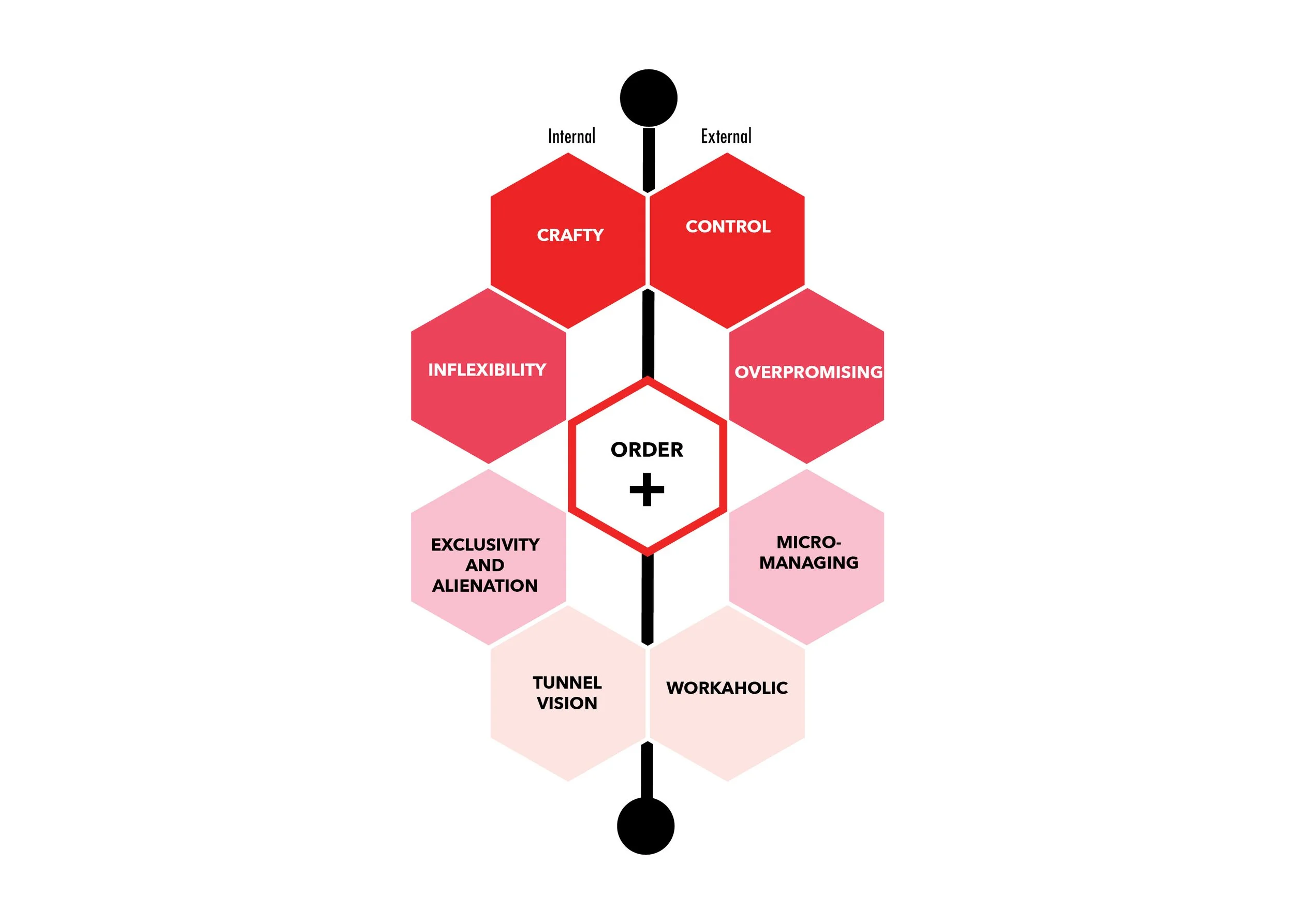
Here are your 8 pitfalls.
With a synergistic motivational design, you possess a powerful set of strengths that enable you to create and manage cohesive, forward-thinking systems. Your ability to strategize allows you to develop effective plans and approaches to achieve your goals. You excel in building and managing systems, ensuring that all components work together seamlessly. Your talent for envisioning what the future can look like helps you set a clear and inspiring direction.
Implementing vision is one of your core strengths as you turn your strategic ideas into practical, achievable actions. You are adept at onboarding, ensuring new team members integrate smoothly and quickly into the organization. Your skills in branding enable you to create a strong, cohesive identity that resonates with both internal and external stakeholders. Overseeing projects comes naturally to you, as you monitor progress and ensure everything stays on track.
Directing teams and initiatives with confidence, you inspire others to follow your lead and work towards common goals. This combination of strengths makes you a formidable force in any organization, capable of driving significant progress and innovation. Overall, your synergistic motivational design equips you with the tools to build successful, future-oriented systems and lead your team to outstanding achievements.
click + expand
-
Your strategic mindset allows you to devise complex plans and achieve goals efficiently. However, this strength can lead to being seen as crafty or manipulative if you prioritize strategic gains over transparency and integrity. Others may feel distrustful of your intentions, which can damage relationships and collaboration. This can result in a lack of trust and cooperation from your peers.
Example (Work): You design a strategy to outmaneuver a competitor by using information gained through unofficial channels. While your plan succeeds, your colleagues feel uneasy about the ethical implications, leading to a lack of trust and a strained work environment.
-
Your ability to create efficient systems for managing talent can become a pitfall if those systems are too rigid. This inflexibility can stifle creativity and adaptation, preventing your team from responding effectively to new challenges or opportunities. This can result in missed opportunities for improvement and innovation.
Example (Work): You implement a strict performance management system that does not allow for deviations. When an employee suggests a new method that could improve efficiency, the rigid system prevents its adoption, leading to missed opportunities for innovation.
-
During onboarding, over-promising can set unrealistic expectations for new hires. While aiming to motivate, promising more than what the organization can deliver often leads to disappointment and frustration. This can damage trust and confidence, making it harder for new members to feel committed. It also puts pressure on the organization to meet these inflated expectations, potentially leading to stress and burnout among existing team members.
Example (Work): In your new job, you're promised rapid promotions, substantial bonuses, and extensive resources. Over time, you realize these promises are unmet, leading to frustration and disappointment and making you question your decision to join the company. This discrepancy affects your job satisfaction and trust in the organization.
-
Your strength in building a strong sense of identity and branding can lead to exclusivity, where those who don’t fully align with the established identity feel alienated. This can limit diversity and hinder the inclusion of valuable perspectives. This exclusivity can prevent new ideas from emerging and reduce overall team cohesion.
Example (Work): You cultivate a strong corporate culture with specific values and norms. New employees who don’t immediately fit this mold feel excluded and unappreciated, which limits their engagement and contributions.
-
Your ability to direct can sometimes turn into an overly controlling approach. This can create a restrictive environment where team members feel micromanaged and unable to exercise their own judgment and creativity. This level of control can lead to resentment and decreased motivation among your team.
Example (Work): You insist on overseeing every detail of a project, dictating how each task should be performed. This control stifles your team's creativity and leads to frustration and disengagement.
-
Micromanage (Oversee): Your oversight capabilities can turn into micromanagement if you focus too much on minute details. This can demotivate team members, who may feel their expertise and autonomy are undervalued. Micromanagement can result in decreased productivity and innovation.
Example (Work): You closely monitor every aspect of your team's work, providing constant feedback and corrections. This micromanagement leads to frustration and a lack of ownership among team members, reducing their motivation and productivity.
-
Your visionary thinking can sometimes lead to tunnel vision, where you become so focused on your vision that you overlook alternative ideas or potential pitfalls. This can limit adaptability and lead to missed opportunities. Tunnel vision can cause you to miss valuable input from others.
Example (Life): You have a clear vision for a personal project and stick to it rigidly, dismissing suggestions from friends and family. As a result, you miss out on valuable input that could improve the project's outcome.
-
Your drive to execute your vision can lead to becoming a workaholic, where you neglect rest and personal well-being. This can result in burnout, reduced productivity, and strained relationships. Constant overworking can also negatively affect your health and personal life.
Example (Relationship): You pour all your energy into executing a business plan, working long hours, and neglecting time with your family. This workaholic behavior strains your relationships and eventually leads to burnout, affecting both your personal and professional life.
Here are eight strategies to overcome your pitfalls:
click + expand
-
To avoid being perceived as crafty, focus on transparency and ethical practices. Communicate your strategies and intentions clearly with your team and stakeholders, ensuring everyone understands the rationale behind your decisions. Foster an environment of trust by being open and honest.
Example (Work): When implementing a new strategy, hold a team meeting to explain the reasons behind the changes and how they align with the company’s goals. Encourage questions and feedback to ensure everyone is on the same page.
Example (Relationship): If you plan a surprise for your partner, be transparent about your intentions and the reasons behind it afterward. This will help build trust and prevent any misunderstandings about your motives.
-
To counteract inflexibility, cultivate a mindset of adaptability and openness to change. Encourage feedback and be willing to adjust your systems and processes when necessary. Regularly review and update procedures to ensure they remain effective and relevant.
Example (Work): If a team member suggests a more efficient way to handle a task, take their suggestion seriously and consider implementing it, even if it requires altering established procedures.
Example (Life): Be open to adjusting your daily routine if your family or friends suggest a new activity or plan. Flexibility can lead to new experiences and improved relationships.
-
Avoid over-promising by setting realistic and achievable expectations. Clearly communicate what can be delivered and the potential challenges that might arise. Regularly update new hires or team members on progress and any changes to initial plans.
Example (Work): During onboarding, provide a balanced view of the company’s opportunities and challenges, highlighting both the potential for growth and the realistic timeframes for advancement.
Example (Relationship): When making plans with your partner or friends, be realistic about what you can deliver. For instance, instead of promising a grand vacation, plan a more achievable and enjoyable weekend getaway.
-
Mitigate exclusivity by fostering an inclusive culture that values diversity and encourages participation from all team members. Create opportunities for everyone to contribute and feel valued, and actively seek out diverse perspectives.
Example (Work): Organize team-building activities that include everyone and encourage cross-departmental collaboration to ensure all voices are heard and valued.
Example (Life): In social settings, make an effort to include everyone in conversations and activities. Ensure that no one feels left out or marginalized by actively engaging with all members of the group.
-
To reduce controlling behavior, practice delegation and trust in your team’s abilities. Empower team members to take ownership of their tasks and make decisions. Provide guidance and support without micromanaging.
Example (Work): Assign a project to a team member and give them the autonomy to manage it. Offer your support when needed, but allow them to take the lead and make key decisions.
Example (Relationship): In a relationship, share responsibilities and allow your partner to make decisions in areas where they excel. Trust their judgment and support their choices without trying to control every aspect.
-
Overcome micromanagement by focusing on outcomes rather than processes. Set clear goals and expectations, then step back and allow your team to determine the best way to achieve them. Trust in their expertise and provide space for innovation.
Example (Work): Instead of checking in on every detail of a project, set milestones and check progress at those points, allowing your team to work independently between check-ins.
Example (Life): When organizing a family event, delegate tasks to family members and trust them to handle their responsibilities. Check in occasionally but avoid hovering over their progress.
-
To avoid tunnel vision, make a conscious effort to consider different perspectives and alternatives. Encourage diverse viewpoints and regularly review your goals and strategies to ensure they remain aligned with broader objectives.
Example (Work): Hold regular brainstorming sessions with your team to explore new ideas and solutions, ensuring that all voices are heard and considered.
Example (Life): In personal projects or decisions, seek input from friends or family to ensure you're considering different perspectives. This can help you avoid becoming too focused on one approach and missing out on better solutions.
-
Mitigate workaholic tendencies by prioritizing work-life balance. Set boundaries for your work hours and take regular breaks. Encourage a healthy work-life balance within your team by modeling it yourself and respecting their time off.
Example (Work): Schedule personal time into your calendar just as you would with work meetings, and stick to these commitments to ensure you have time to relax and recharge.
Example (Relationship): Make a conscious effort to spend quality time with your family and friends without distractions. Set aside work and focus on enjoying activities and conversations with your loved ones.
7 problematic areas for those who a Synergistic Design.
-
Issue: Attracting and retaining loyal team members who share your vision and commitment can be challenging. Without loyalty, you may face high turnover rates and a lack of trust within your team, which can hinder progress and collaboration. Loyal team members are essential for maintaining consistency and building a strong, unified culture. A lack of loyalty can also lead to knowledge loss and increased training costs as new hires must continually be onboarded and brought up to speed.
Example: Your team members frequently leave for other opportunities, leaving you with a constantly changing team and difficulty maintaining continuity.
Strategy to Overcome: Build a strong company culture that values and rewards loyalty. Provide opportunities for growth, recognize and appreciate contributions, and foster a sense of belonging and shared purpose among your team members.
-
Issue: Finding the right balance between maintaining a structured system and allowing for individual creativity and autonomy can be difficult. Overemphasis on the system can stifle innovation, while too much freedom can lead to inconsistency and lack of coordination. This balance is crucial for fostering both efficiency and innovation within your team. Inflexibility can discourage team members, while too much leeway can create chaos and confusion.
Example: Your strict adherence to established procedures limits your team's ability to experiment and innovate, resulting in missed opportunities for improvement.
Strategy to Overcome: Establish flexible guidelines that provide structure while encouraging individual creativity and input. Regularly review and adjust these guidelines to ensure they support both organizational goals and individual growth.
-
Issue: Balancing work and rest is essential for maintaining productivity and preventing burnout. Overworking can lead to exhaustion, while insufficient effort can result in missed deadlines and unachieved goals. Knowing when to step back and recharge is as important as pushing forward. Proper rest enhances creativity, decision-making, and overall effectiveness.
Example: You and your team work long hours without taking breaks, leading to decreased productivity and burnout.
Strategy to Overcome: Implement a balanced work schedule that includes regular breaks and encourages a healthy work-life balance. Monitor workload and stress levels, and promote self-care and wellness practices among your team.
-
Issue: Determining the appropriate scope and scale for your projects can be challenging. Overambitious goals can lead to overstretched resources, while undersized goals can limit impact and growth. It's crucial to set realistic and achievable targets to maintain momentum and morale. Misjudging the scale of a project can lead to either inefficiency or missed opportunities for expansion.
Example: You take on a large-scale project without sufficient resources, resulting in missed deadlines and compromised quality.
Strategy to Overcome: Conduct thorough planning and assessment to set realistic and achievable goals. Consider available resources, market demand, and potential impact when defining the scope and scale of your projects.
-
Issue: Sustaining the initial enthusiasm and motivation over time can be difficult. As challenges and routine tasks arise, the original passion that fueled your efforts may wane, affecting overall drive and productivity. Passion is a critical driver of innovation and perseverance. Losing sight of your initial motivation can lead to disengagement and stagnation.
Example: Over time, your initial excitement for your startup fades, and you find it hard to stay motivated and driven.
Strategy to Overcome: Regularly reconnect with your original vision and purpose. Celebrate milestones, seek inspiration from successes, and surround yourself with passionate and motivated individuals who share your enthusiasm.
-
Issue: Internal conflicts and friction can disrupt teamwork and hinder progress. Without effective conflict resolution strategies, infighting can damage relationships and reduce overall productivity. Persistent internal conflicts can erode trust and morale. Addressing these issues promptly is vital to maintaining a harmonious and effective team environment.
Example: Disagreements between team members lead to tension and reduced collaboration, affecting project outcomes.
Strategy to Overcome: Foster a culture of open communication and mutual respect. Implement conflict resolution practices, such as mediation and team-building activities, to address and resolve issues constructively. Encourage a collaborative environment where differences are valued and used to drive innovation.
-
Issue: Balancing various responsibilities and making time for what truly matters can be challenging. Without clear priorities, you may find yourself overwhelmed and unable to focus on key goals and relationships, leading to dissatisfaction and unfulfilled potential. This can lead to feeling spread too thin and not excelling in any area. Ensuring you allocate time effectively is crucial for achieving both professional success and personal fulfillment.
Example: You spend so much time on minor tasks and meetings that you neglect important strategic planning and personal relationships.
Strategy to Overcome: Prioritize your tasks and set clear boundaries to protect your time for what matters most. Use time management techniques, such as scheduling focused work sessions and delegating less critical tasks, to ensure you are dedicating time to your key goals and personal well-being.
Your Kryptonite
The kryptonite of your design refers to specific elements or circumstances that significantly weaken your strengths and hinder your ability to function optimally.
The kryptonite of your synergistic motivational design includes specific elements or circumstances that significantly weaken your strengths and hinder your ability to function optimally. Here are the kryptonite elements for your design, their impacts on your drive and strengths, and strategies to mitigate them:
click + expand
-
Environments lacking organization and structure can undermine your ability to strategize and build effective systems, leading to chaos and inefficiency.
Impact: Disorganization hinders your capacity to develop and manage systems effectively, resulting in operational inefficiencies and strategic failures.
Example: Imagine working in a company where processes are unclear and documentation is poorly maintained. This disorganization can make it difficult for you to strategize and build coherent systems.
Strategy to Mitigate: Implement organizational tools and frameworks. Develop clear processes and documentation standards, and use project management software to keep track of tasks and responsibilities. -
Environments that are resistant to change can stifle your vision and prevent you from implementing innovative strategies and systems.
Impact: Resistance to change can limit your ability to envision and implement future improvements, stifling innovation and progress.
Example: Consider being part of a team that is comfortable with the status quo and reluctant to adopt new technologies or methods. This resistance can prevent you from implementing your vision for future improvements.
Strategy to Mitigate: Advocate for change by demonstrating the benefits of your vision. Use data and case studies to support your proposals and build alliances with forward-thinking colleagues. -
Without proper onboarding and training support, new team members may struggle to integrate, reducing overall team effectiveness and hindering system management.
Impact: Inadequate onboarding and training can disrupt team cohesion and efficiency, making it difficult to manage and oversee systems effectively.
Example: Imagine onboarding a new team member without providing sufficient training or resources. This lack of support can lead to confusion and decreased productivity.
Strategy to Mitigate: Develop comprehensive onboarding and training programs. Create clear guidelines and resources to help new team members integrate smoothly and become productive quickly. -
Ineffective communication of your vision and brand can lead to misunderstandings and misalignment, weakening your ability to direct and oversee projects successfully.
Impact: Poor communication can result in a lack of alignment and commitment to the vision, reducing the effectiveness of your direction and oversight.
Example: Think of launching a new project but failing to clearly communicate its vision and brand to your team. This lack of clarity can lead to misaligned efforts and decreased project success.
Strategy to Mitigate: Clearly articulate your vision and brand to your team and stakeholders. Use visual aids, detailed presentations, and regular updates to ensure everyone is aligned and committed to the vision. -
Over-involvement in every detail can stifle creativity and initiative, preventing you from effectively overseeing and directing larger strategic goals.
Impact: Micromanagement can reduce your ability to focus on strategic oversight and direction, leading to inefficiencies and decreased team morale.
Example: Suppose you constantly check in on every minor task your team is working on. This micromanagement can hinder your ability to focus on broader strategic goals and demotivate your team.
Strategy to Mitigate: Delegate tasks and trust your team to handle details. Focus on providing clear direction and oversight while allowing your team the autonomy to execute tasks independently.
Addressing these kryptonite elements involves creating a supportive environment that promotes organization, openness to change, effective onboarding, clear communication of vision and brand, and strategic delegation. This supportive environment will help you leverage your synergistic strengths in strategizing, building and managing systems, envisioning the future, implementing visions, onboarding, branding, overseeing, and directing to their fullest potential.
Scheming
SCHEMING
Scheming is your tendency to use intricate planning, structure, and calculated decision-making in a way that becomes overly controlling, rigid, or even manipulative. It goes beyond simple organization—it is an unintentional shift toward prioritizing the system’s success over individual needs, sometimes at the cost of trust, flexibility, and collaboration.
If you are wired with a Synergistic Design, this pitfall arises from your ability to orchestrate people, processes, and strategies for maximum efficiency. You excel at building scalable systems, optimizing workflows, and structuring environments where everything works in harmony. But this same strength can lead you to manage circumstances and people to fit your system—rather than adapting the system to accommodate growth and individual needs.
At its core, scheming stems from your strong desire to maintain control and ensure that every part of the system functions efficiently. You likely take great satisfaction in seeing everything and everyone operating in alignment with your vision. Your ability to anticipate challenges, optimize structures, and position people strategically makes you an exceptional planner. However, when your need for order becomes excessive, you may begin to view people as pieces in a game—maneuvering them into place without fully considering their needs, aspirations, or individuality.
Once scheming takes hold, you may struggle to adapt when people or circumstances do not align with your plans. Rather than reassessing your approach, you may adjust dynamics, filter information, or use influence to maintain control. You may justify this by believing the system is what’s best for everyone—but in doing so, you risk alienating others. Your decisions, while logical, may feel predetermined rather than collaborative. While your strategic mindset is a strength, failing to invite others into the process transparently can lead to distrust and resistance.
The goal is not to lose your gift for structure—but to practice transparent collaboration, where people feel valued, empowered, and included in building and evolving the system.
MIGRATING YOUR PITFALL
SCHEMING → Migrate with “Transparent Collaboration”
-
Replace behind-the-scenes control with transparent collaboration. Before influencing a decision or structuring a process, ask yourself:
“Am I prioritizing what’s best for the people as well as the system?”
“Have I invited genuine input—or am I subtly steering outcomes?”
“How can I co-create solutions with others, rather than managing them into place?”
Consciously create space for dialogue, flexibility, and shared ownership.
-
As someone with a Synergistic (Order) Design, you excel at building systems that bring order and harmony. But when scheming takes over, your leadership can feel controlling—eroding trust and stifling collaboration. Transparent collaboration allows you to pair your planning strengths with openness and humility—ensuring that your systems elevate both outcomes and relationships. This habit fosters trust, buy-in, and true synergy.
-
When leading a strategic planning session, instead of arriving with a predetermined outcome and subtly guiding the group to it, you pause and ask:
“How can I invite authentic input here—and how can the system evolve to serve the people, not just my vision?”
You practice transparent collaboration—building a system through shared ownership and trust.
ADDITIONAL INSIGHTS
-
You filter or control information to maintain alignment with your vision.
You subtly guide conversations or decisions toward predetermined outcomes.
You view people primarily in terms of how they fit into the system.
You resist adjusting your system to accommodate individual needs or input.
You feel uncomfortable when others introduce unexpected ideas or changes.
You notice trust eroding or resistance growing in your team or relationships.
-
Your ability to create structure and orchestrate systems is one of your greatest strengths. It reflects your deep commitment to harmony, efficiency, and long-term success. When used wisely, this drive helps you create environments where people and processes work together seamlessly.
However, this same strength becomes a pitfall when it turns into scheming—when your need for order overrides openness, collaboration, and trust. The goal is not to lose your gift for structure, but to practice transparent collaboration: pairing your planning strengths with humility and shared ownership, so that your leadership fosters both excellent systems and thriving relationships.
In this section, you have explored what scheming can look like in your life and learned practical ways to create order through collaborative and transparent leadership.
-
Invite co-creation, not just compliance.
Each time you plan or structure something, ask yourself:“Who needs to be part of shaping this—not just implementing it?”
“How can I ensure that the system serves the people—not the other way around?”
This habit will help you build a leadership style that fosters trust, flexibility, and genuine collaboration.
-
Think of a recent situation where you may have slipped into scheming. Journal about it:
What drove your desire to control or pre-structure outcomes?
How might transparent collaboration have shaped a different dynamic?
What specific mindset or habit can you practice this week to foster transparent collaboration in your leadership and system-building?
Use this reflection as a step toward building systems—and a leadership presence—that honor both structure and the voices of those you lead.
Over-Structuring Systems
OVER-STRUCTURING SYSTEMS
Over-structuring systems is your tendency to create rigid, overly complex frameworks that prioritize structure and control at the expense of adaptability and efficiency. It is more than just valuing order—it is an unintentional fixation on structure that leads to excessive rules, bureaucracy, and inflexibility.
If you are wired with a Synergistic Design, this pitfall arises from your natural ability to organize, integrate, and optimize systems. You excel at bringing order to chaos and building coordinated processes that enhance productivity and alignment. But this same strength can also make it difficult for you to allow for organic growth or necessary adjustments.
At its core, over-structuring systems begins with your strong belief that well-defined processes ensure stability, predictability, and success. You likely take great satisfaction in designing systems that function seamlessly—where each part supports the whole. Your ability to create clarity and coherence makes you a valuable leader and problem-solver. However, when this drive is taken too far, you may become fixated on making every aspect of a process fit within a predefined structure. This rigidity can prevent creativity, discourage flexibility, and slow decision-making—as everything must conform to an established method, even when a more efficient or innovative approach exists.
Once over-structuring systems takes hold, you may struggle with micromanaging workflows, insisting that every process follows a strict set of rules, or resisting modifications that could improve efficiency. You may see deviations from the system as inefficiencies rather than opportunities for refinement. This can create frustration among team members, who may feel restricted, undervalued, or stifled by unnecessary procedures. While your systems may still function effectively, they become cumbersome, overly complicated, and resistant to change—leading to missed opportunities for progress and innovation.
The goal is not to abandon your love of structure—but to practice adaptive order, where systems serve people and progress—not the other way around.
MIGRATING YOUR PITFALL
OVER-STRUCTURING SYSTEMS → Migrate with “Adaptive Order”
-
Replace rigid frameworks with adaptive order. Before locking in a process or enforcing a structure, ask yourself:
“Is this level of structure truly necessary—or am I adding complexity for its own sake?”
“How flexible is this system to change, innovation, and human creativity?”
“How can I design processes that balance clarity with adaptability?”
Consciously design systems that empower flexibility, responsiveness, and human-centered outcomes.
-
As someone with a Synergistic (Order) Design, you excel at building systems that foster alignment and efficiency. But when over-structuring takes over, your leadership can become stifling—creating environments where innovation and responsiveness are constrained. Adaptive order allows you to pair your organizational strengths with flexibility and openness—ensuring that your systems remain living, dynamic structures that evolve with the needs of your people and your mission.
-
When designing a new workflow, instead of specifying every detail and rule, you pause and ask:
“Where can I create space for team members to bring their creativity and judgment to this process?”
You practice adaptive order—building a system that provides structure without suffocating innovation.
ADDITIONAL INSIGHTS
-
You create overly detailed processes that leave little room for flexibility.
You resist changes to your systems, even when they could improve efficiency or morale.
You expect strict adherence to every procedure—even in situations where adaptability would serve better.
You feel anxiety when people innovate or deviate from your established processes.
You notice that your systems are becoming complex and cumbersome.
You hear feedback from others that your structures feel overly restrictive or bureaucratic.
-
Your ability to create order and structure is one of your greatest strengths. It reflects your deep commitment to clarity, harmony, and organizational excellence. When used wisely, this drive helps you build environments where people can thrive within well-aligned systems.
However, this same strength becomes a pitfall when it turns into over-structuring systems—when your drive for order leads to rigidity, bureaucracy, and lost opportunities. The goal is not to lose your gift for structure, but to practice adaptive order: designing systems that provide clarity while allowing room for flexibility, innovation, and human engagement.
In this section, you have explored what over-structuring systems can look like in your life and learned practical ways to lead with balanced structure and adaptive flexibility.
-
Design for flexibility.
Each time you create or refine a system, ask yourself:“Where can this system allow space for creativity, innovation, or human judgment?”
“How can I ensure that this structure adapts to changing needs over time?”
This habit will help you build a leadership presence that fosters clarity, flexibility, and dynamic progress.
-
Think of a recent situation where you may have slipped into over-structuring systems. Journal about it:
What drove your desire to add structure or control?
How might adaptive order have created a more empowering or responsive system?
What specific mindset or habit can you practice this week to foster adaptive order in your leadership and system-building?
Use this reflection as a step toward building systems—and a leadership style—that balance order with innovation, flexibility, and human-centered success.
Vision-Drunk
VISION-DRUNK
Vision-drunk is your tendency to become so consumed by the big picture that you lose touch with present realities, current limitations, and practical steps. It is more than just thinking big—it is an unintentional over-immersion in purpose and potential that can lead to frustration, disconnection, and an inability to execute your vision effectively.
If you are wired with a Synergistic Design, this pitfall arises from your natural ability to see how everything fits together in service of a mission. You excel at seeing the long-term impact of your work, aligning people and systems toward a shared vision, and inspiring collective progress. But this same strength can sometimes make it difficult for you to remain grounded and patient with the process required to bring that vision to life.
At its core, vision-drunk begins with your deep desire to achieve meaningful change and create large-scale impact. You likely thrive on seeing connections across systems, identifying what’s possible, and motivating others toward a shared future. Your ability to think beyond the present makes you a powerful visionary leader. However, when this visionary mindset becomes all-consuming, you may overlook real-time obstacles, current needs, or the practical actions required to make steady progress.
Once this pattern takes hold, you may struggle to stay engaged in the current moment or commit to incremental steps. You may feel discouraged when others can’t see what you see—or frustrated when progress feels too slow or complex. In some cases, you may chase new, more exciting visions rather than follow through on what you’ve started—believing that the next idea will be “the one” that finally works.
The goal is not to stop thinking big—but to practice grounded vision, where your ability to see the future is balanced with present-moment engagement and steady, actionable progress.
MIGRATING YOUR PITFALL
VISION-DRUNK → Migrate with “Grounded Vision”
-
Replace untethered visionary thinking with grounded vision. Before launching a new idea or pushing for progress, ask yourself:
“Am I staying connected to the present realities of this work?”
“What practical steps will bring this vision to life—and am I committed to them?”
“How can I help others see the vision while honoring where we are right now?”
Consciously balance big-picture thinking with present engagement and practical progress.
-
As someone with a Synergistic (Order) Design, you excel at casting vision and inspiring collective movement. But when vision-drunk takes over, your leadership can feel disconnected—leaving teams overwhelmed or disoriented. Grounded vision allows you to pair your visionary strengths with presence and discipline—ensuring that your big ideas translate into real-world outcomes and steady momentum. This habit builds trust, clarity, and lasting impact.
-
When sharing a bold new vision with your team, instead of focusing solely on the end result, you pause and ask:
“What concrete actions and milestones will help us move toward this vision—and how can I help the team stay engaged in the present process?”
You practice grounded vision—leading with inspiration and practical clarity.
ADDITIONAL INSIGHTS
-
You feel disconnected from the current reality of a project or process.
You express impatience when progress feels slow or complex.
You jump to new ideas before completing current initiatives.
You overlook practical details or necessary steps required for implementation.
You feel discouraged or frustrated when others can’t immediately grasp your vision.
You struggle to stay engaged with day-to-day work that moves the vision forward.
-
Your ability to see the big picture and align systems toward meaningful outcomes is one of your greatest strengths. It reflects your deep commitment to purpose, harmony, and collective impact. When used wisely, this drive helps you lead with clarity, inspiration, and long-term vision.
However, this same strength becomes a pitfall when it turns into vision-drunk—when your desire to see the future pulls you away from the present moment and practical progress. The goal is not to stop thinking big, but to practice grounded vision: pairing your visionary thinking with presence, patience, and disciplined action—so your leadership creates sustainable progress and tangible results.
In this section, you have explored what vision-drunk can look like in your life and learned practical ways to lead with both inspiration and grounded execution.
-
Anchor vision in present action.
Each day, ask yourself:“What is one practical action I can take today that moves this vision forward?”
“How can I stay connected to the current needs and realities of the work?”
This habit will help you build a leadership presence that inspires with vision while leading with grounded, sustainable progress.
-
Think of a recent situation where you may have slipped into vision-drunk thinking. Journal about it:
What drove your focus on the future at the expense of the present?
How might grounded vision have shaped a more balanced approach?
What specific mindset or habit can you practice this week to foster grounded vision in your leadership and team dynamics?
Use this reflection as a step toward building a leadership style that combines big-picture inspiration with present-focused progress.
Workaholic
WORKAHOLIC
Being a workaholic is your tendency to overcommit to work—prioritizing execution and productivity at the expense of personal well-being, rest, and relationships. It is more than just dedication—it is an unintentional imbalance that can lead to burnout, reduced effectiveness, and strained connections with others.
If you are wired with a Synergistic Design, this pitfall arises from your natural drive to execute your vision. You excel at bringing structure, alignment, and results to complex goals and systems. But this same strength can also make it difficult for you to slow down, delegate, or prioritize self-care—especially when the mission feels urgent or personal.
At its core, workaholism begins with your relentless commitment to bringing structure, order, and success to a vision. You likely take great pride in your ability to execute plans efficiently and effectively—ensuring that goals are met with precision and excellence. Your strong sense of responsibility makes you highly dependable. However, this same drive can cause you to feel that stepping away, resting, or delegating will compromise the progress of your work. You may struggle with the belief that productivity and personal worth are inseparable—leading you to push yourself beyond healthy limits.
Once workaholism takes hold, you may neglect self-care, personal relationships, and emotional well-being. You may prioritize deadlines over downtime—seeing relaxation as wasted time rather than as a necessary recharge. Your constant drive to achieve can lead to exhaustion—ironically making you less effective over time. While your execution skills allow you to accomplish a great deal, your inability to step back can result in diminishing returns—as fatigue and stress erode both performance and personal fulfillment.
The goal is not to lose your dedication—but to practice sustainable execution, where your drive for excellence is balanced with rest, well-being, and life-giving rhythms.
MIGRATING YOUR PITFALL
WORKAHOLIC → Migrate with “Sustainable Execution”
-
Replace relentless productivity with sustainable execution. Before adding more work or pushing through exhaustion, ask yourself:
“Am I valuing rest and well-being as essential to long-term success?”
“What can I delegate or pace differently to create healthier rhythms?”
“How can I model sustainable leadership for those around me?”
Consciously embrace rhythms that fuel both excellence and vitality.
-
As someone with a Synergistic (Order) Design, you excel at executing complex goals and delivering results. But when workaholism takes over, your leadership and life can become unbalanced—leading to burnout and diminished impact. Sustainable execution allows you to pair your drive for achievement with wisdom and care—ensuring that your work remains fruitful, fulfilling, and sustainable. This habit also models healthy leadership for your team and community.
-
When facing an intense project deadline, instead of working through exhaustion, you pause and ask:
“What boundaries and recovery time do I need to sustain excellence—and how can I build them into this process?”
You practice sustainable execution—leading with both discipline and life-giving balance.
ADDITIONAL INSIGHTS
-
You feel guilty when taking time off or resting.
You prioritize work over personal relationships and well-being.
You avoid delegating or believe only you can ensure success.
You ignore signs of exhaustion or burnout—pushing through regardless.
You associate personal worth with productivity and achievement.
You notice growing tension, fatigue, or relational strain due to work demands.
-
Your ability to execute with excellence and precision is one of your greatest strengths. It reflects your deep commitment to structure, order, and meaningful contribution. When used wisely, this drive allows you to lead with clarity, accountability, and impact.
However, this same strength becomes a pitfall when it turns into workaholism—when your drive for execution overrides rest, well-being, and life balance. The goal is not to lose your dedication, but to practice sustainable execution: pairing your commitment to excellence with rhythms of rest and self-care—so your leadership is both effective and life-giving.
In this section, you have explored what workaholism can look like in your life and learned practical ways to pursue sustainable success and well-being.
-
Protect life-giving rhythms.
Each day, ask yourself:“What rhythm of rest, connection, or self-care do I need today?”
“How can I lead with both excellence and balance—modeling sustainable execution?”
This habit will help you build a leadership presence that fosters vitality, excellence, and sustainable impact.
-
Think of a recent situation where you may have slipped into workaholism. Journal about it:
What fears or beliefs drove your overcommitment to work?
How might sustainable execution have shaped a healthier approach?
What specific mindset or habit can you practice this week to foster sustainable execution in your leadership and life rhythms?
Use this reflection as a step toward building a leadership style that honors excellence, balance, and well-being.
OVERPROTECTIVE OF REPUTATION AND IMAGE
OVERPROTECTIVE OF REPUTATION AND IMAGE
Overprotective of reputation and image is your tendency to safeguard the identity and reputation of your organization, brand, or group so rigorously that it stifles creativity, agility, and growth. It is more than just valuing consistency—it is an unintentional rigidity that can lead you to prioritize brand protection over innovation and adaptability.
If you are wired with a Synergistic (Order) Design and a strength in Creating Brand Identity, this pitfall emerges when your ability to craft a unified, trusted brand turns into rigid brand protectionism. Your concern is not just personal image—it is safeguarding the reputation of what you’ve built. You see the brand as the collective means for achieving success, ensuring stability, credibility, and alignment. Because of this, you believe everyone has a responsibility to uphold the brand’s values—maintaining consistency in behavior, decisions, and messaging.
At its core, this overprotectiveness stems from your desire to maintain order and credibility. You instinctively monitor how the brand is perceived—ensuring that nothing harms its reputation. This instinct helps you foster alignment and trust. However, when taken too far, it can lead to rigidity and resistance to change—where any deviation from brand standards is seen as a threat. New ideas, independent thinking, or unconventional approaches may be discouraged if they seem to compromise the brand’s integrity. Instead of allowing the brand to evolve naturally, you may try to preserve it exactly as it is—fearing that change could weaken its identity.
Once this pitfall takes hold, decision-making becomes centered on protecting the brand rather than fostering innovation. You may prioritize reputation over progress—ensuring that everything aligns with the established brand, even at the cost of creativity, agility, or necessary change. Others may feel pressured to conform to strict brand expectations—leading to a culture where every action is filtered through the lens of “Will this protect the brand?” rather than “Will this advance our mission?” While this ensures consistency, it can also stifle risk-taking, discourage experimentation, and limit adaptation to new challenges.
The goal is not to abandon brand integrity—but to practice dynamic brand leadership, where your commitment to credibility is balanced with openness, adaptability, and creative growth.
MIGRATING YOUR PITFALL
1. OVERPROTECTIVE OF REPUTATION AND IMAGE → Migrate with “Dynamic Brand Leadership”
Strategy
Replace rigid brand protectionism with dynamic brand leadership. Before enforcing brand expectations or resisting change, ask yourself:
“Am I protecting the brand at the expense of innovation or growth?”
“How can this brand evolve while staying true to its core values?”
“Am I empowering others to contribute creatively to the brand’s future—not just enforcing its current state?”
Consciously balance brand integrity with openness and creative evolution.
Why it works
As someone with a Synergistic (Order) Design and strength in Creating Brand Identity, you excel at building trusted brands and fostering alignment. But when overprotectiveness takes over, your leadership can feel rigid and stifling—limiting innovation and agility. Dynamic brand leadership allows you to pair your brand stewardship with flexibility and trust—ensuring that your brand remains authentic, evolving, and responsive to new opportunities. This habit fosters both consistency and creativity.
Example
When a team member suggests a new approach that challenges current brand norms, instead of dismissing it, you pause and ask:
“How can this new idea strengthen and evolve our brand—and what core values must we preserve in the process?”
You practice dynamic brand leadership—leading with both brand integrity and creative openness.
WATCH FOR THESE SIGNS
(to spot when you are slipping into overprotective brand behavior)
You resist changes or innovations that could benefit the organization out of fear they may harm the brand.
You enforce brand guidelines rigidly—even when flexibility would serve the mission.
You evaluate new ideas primarily through the lens of brand image, not potential impact.
You discourage experimentation or risk-taking to maintain brand consistency.
You expect others to conform strictly to brand standards—limiting their voice and creativity.
You notice a culture of fear or hesitation around trying new things that could evolve the brand.
REFLECTION ON BRAND AND GROWTH
Your ability to create a trusted, unified brand is one of your greatest strengths. It reflects your deep commitment to harmony, credibility, and mission alignment. When used wisely, this drive helps you build powerful identities that inspire trust and foster collective success.
However, this same strength becomes a pitfall when it turns into overprotective of reputation and image—when your brand stewardship becomes so rigid that it limits growth, innovation, and agility. The goal is not to lose your commitment to brand integrity, but to practice dynamic brand leadership: pairing your brand-building strengths with flexibility, openness, and trust—so that your brand remains alive, authentic, and future-ready.
In this section, you have explored what overprotective brand behavior can look like in your life and learned practical ways to lead with both brand integrity and creative adaptability.
DAILY PRACTICE TIP
Lead brand evolution—not just protection.
Each day, ask yourself:
“How can our brand stay true to its core while embracing growth and innovation?”
“Am I fostering a culture where people feel free to shape the brand’s future?”
This habit will help you build a leadership presence that balances brand stewardship with creative openness and agility.
CLOSING REFLECTION / JOURNALING PROMPT
Think of a recent situation where you may have slipped into overprotective of reputation and image. Journal about it:
What fears or beliefs drove your desire to rigidly protect the brand?
How might dynamic brand leadership have created a more balanced, empowering outcome?
What specific mindset or habit can you practice this week to foster dynamic brand leadership in your work and leadership presence?
Use this reflection as a step toward building a leadership style where your brand stewardship fosters both authenticity and growth.
Overpromise
OVERPROMISE
Pitfall for the Synergistic (Order) Design
Overpromising is your tendency to commit to more than can realistically be achieved—often driven by enthusiasm, ambition, or the desire to inspire confidence in others. It is more than just setting bold goals—it is an unintentional pattern of making commitments that exceed current capacity or realistic timelines.
If you are wired with a Synergistic (Order) Design, this pitfall arises from your strong desire to align, organize, and drive progress. You excel at seeing what is possible, building momentum, and inspiring others to move forward with you. But this same strength can lead you to make grand commitments in an effort to rally support, recruit others, and bring people into your vision or projects—sometimes without fully accounting for limitations, resources, or current realities.
At its core, overpromising stems from your belief in possibilities and potential. You naturally see what could be rather than what currently is. You are inclined to inspire others, create excitement, and set ambitious goals—making you a powerful catalyst for progress. However, in your effort to unify people around a shared goal, you may unintentionally oversell your capacity, underestimate challenges, or make commitments beyond what is realistically achievable.
Once overpromising takes hold, you may find yourself scrambling to meet commitments, struggling with deadlines, or feeling the weight of unrealistic expectations. You may experience stress, guilt, or frustration as you realize you cannot fulfill everything you intended. Others may begin to lose confidence in your leadership or reliability—feeling let down by repeated instances where expectations were set too high and results fell short. This can create disillusionment within teams, frustration in relationships, and setbacks in long-term credibility.
The goal is not to stop casting vision—but to practice grounded commitment, where your ability to inspire is balanced with clear, achievable promises and sustainable execution.
MIGRATING YOUR PITFALL
1. OVERPROMISE → Migrate with “Grounded Commitment”
Strategy
Replace ungrounded enthusiasm with grounded commitment. Before making a promise or setting expectations, ask yourself:
“Am I confident that this commitment is achievable with the current resources and capacity?”
“Have I fully considered the challenges and timeline required to deliver on this?”
“How can I inspire others while being clear about what is realistically possible?”
Consciously balance vision with practical planning—ensuring your promises build trust and deliver results.
Why it works
As someone with a Synergistic (Order) Design, you excel at rallying others and driving progress. But when overpromising takes over, your leadership can unintentionally erode trust and create burnout—for both yourself and your team. Grounded commitment allows you to pair your visionary strengths with thoughtful discernment—ensuring that your words inspire and lead to outcomes that build lasting credibility and momentum.
Example
When launching a new initiative or project, instead of making an ambitious public promise based on optimism alone, you pause and ask:
“What can we truly commit to—and how can I communicate both the vision and the reality clearly?”
You practice grounded commitment—leading with inspiration that is supported by sustainable action.
WATCH FOR THESE SIGNS
(to spot when you are slipping into overpromising)
You commit to ambitious goals without fully assessing resources or risks.
You feel compelled to inspire or reassure others with promises you may struggle to fulfill.
You frequently experience stress or guilt over commitments you can’t realistically meet.
You notice a pattern of missed deadlines or unfulfilled expectations.
You feel the need to continually “sell” the vision to maintain momentum.
You hear feedback that your promises feel unrealistic or that trust is eroding.
REFLECTION ON VISION AND COMMITMENT
Your ability to cast vision, inspire others, and align efforts toward meaningful goals is one of your greatest strengths. It reflects your deep commitment to harmony, progress, and mission-driven leadership. When used wisely, this drive helps you build teams and movements that accomplish remarkable outcomes.
However, this same strength becomes a pitfall when it turns into overpromising—when your desire to inspire exceeds what you can realistically deliver. The goal is not to stop thinking big, but to practice grounded commitment: balancing your visionary leadership with careful discernment, sustainable action, and trustworthy follow-through.
In this section, you have explored what overpromising can look like in your life and learned practical ways to inspire with clarity, wisdom, and reliability.
DAILY PRACTICE TIP
Pause before you promise.
Each time you are about to commit to something, ask yourself:
“Am I making this promise based on vision alone—or with full awareness of what it will take to deliver?”
“How can I communicate both possibility and realism clearly and with integrity?”
This habit will help you build a leadership style that combines inspiration, credibility, and sustainable momentum.
CLOSING REFLECTION / JOURNALING PROMPT
Think of a recent situation where you may have slipped into overpromising. Journal about it:
What drove your desire to promise more than was realistic?
How might grounded commitment have shaped a more balanced approach?
What specific mindset or habit can you practice this week to foster grounded commitment in your leadership and communication?
Use this reflection as a step toward building a leadership style that pairs visionary impact with trustworthy execution.
Micromanaging
MICROMANAGE
Pitfall for the Synergistic (Order) Design
Micromanagement is your tendency to overcontrol, excessively monitor, or involve yourself in every detail of a task or project—often limiting autonomy and efficiency. It is more than just ensuring quality—it is an unintentional overreach that can undermine trust, stifle creativity, and lead to frustration within a team.
If you are wired with a Synergistic (Order) Design, this pitfall arises from your natural gift for oversight. You excel at bringing structure, order, and harmony to complex efforts. But this same strength can also make it difficult for you to delegate responsibilities and allow others the space to contribute independently.
At its core, micromanagement begins with your strong desire to maintain structure, order, and excellence. You likely take great pride in ensuring that everything is executed properly and efficiently. Your ability to see the bigger picture while also paying attention to details makes you exceptional at organizing and directing efforts. However, when this oversight becomes excessive, you may struggle to relinquish control—fearing that mistakes or inefficiencies will arise without your constant intervention.
Once micromanagement sets in, you may struggle with trusting others to complete tasks independently. You may feel the need to check and recheck work, override decisions, or intervene in minor details—believing that your involvement is necessary for success. While your intentions are to maintain high standards, your excessive control can make team members feel undervalued—leading to disengagement and decreased morale. This can ultimately hinder productivity, as individuals become hesitant to take initiative or think creatively.
The goal is not to stop caring about quality—but to practice empowered leadership, where you inspire excellence through trust, clear expectations, and healthy delegation.
MIGRATING YOUR PITFALL
1. MICROMANAGE → Migrate with “Empowered Leadership”
Strategy
Replace excessive oversight with empowered leadership. Before intervening or monitoring too closely, ask yourself:
“Have I clearly communicated expectations and outcomes?”
“Am I giving this person the space to own the work and contribute creatively?”
“How can I support and coach—without taking over or controlling every detail?”
Consciously create an environment where trust, ownership, and accountability can flourish.
Why it works
As someone with a Synergistic (Order) Design, you excel at maintaining structure and driving high standards. But when micromanagement takes over, your leadership can feel stifling—limiting engagement and innovation. Empowered leadership allows you to pair your organizational strengths with trust and coaching—ensuring that your team grows, thrives, and takes ownership of their work. This habit fosters both excellence and empowered collaboration.
Example
When delegating a project, instead of staying deeply involved in every step, you pause and ask:
“Have I equipped this person for success—and how can I provide support without undermining their ownership?”
You practice empowered leadership—leading with trust and clarity, not control.
WATCH FOR THESE SIGNS
(to spot when you are slipping into micromanagement)
You feel compelled to check or recheck others’ work frequently.
You override decisions or take over tasks that others are capable of handling.
You hesitate to delegate or delegate only with intense supervision.
You believe that without your constant involvement, quality will suffer.
Team members appear disengaged, hesitant, or overly dependent on your approval.
You feel personally responsible for every detail—even when others are accountable.
REFLECTION ON LEADERSHIP AND TRUST
Your ability to organize, structure, and drive excellence is one of your greatest strengths. It reflects your deep commitment to harmony, alignment, and mission-driven success. When used wisely, this drive helps you create environments where people and processes function with clarity and impact.
However, this same strength becomes a pitfall when it turns into micromanagement—when your desire to maintain order and quality undermines trust, autonomy, and innovation. The goal is not to lower your standards, but to practice empowered leadership: building a culture where excellence is achieved through clarity, trust, and shared ownership.
In this section, you have explored what micromanagement can look like in your life and learned practical ways to foster empowered, trust-filled leadership.
DAILY PRACTICE TIP
Delegate with trust.
Each day, ask yourself:
“Where can I give someone greater ownership today—while providing clear expectations and support?”
“Am I trusting my team to deliver—or am I unintentionally taking over?”
This habit will help you build a leadership presence that balances excellence with empowerment and trust.
CLOSING REFLECTION / JOURNALING PROMPT
Think of a recent situation where you may have slipped into micromanagement. Journal about it:
What fears or beliefs drove your need to control or intervene?
How might empowered leadership have shaped a more positive, trust-filled outcome?
What specific mindset or habit can you practice this week to foster empowered leadership in your work and relationships?
Use this reflection as a step toward building a leadership style that honors both structure and trust—fostering empowered, high-performing teams.
Domineering
DOMINEERING
Pitfall for the Synergistic (Order) Design
Domineering is your tendency to take control and provide direction in a way that overshadows others’ contributions and stifles collaboration. It is more than just providing leadership—it is an unintentional shift from guiding toward a shared outcome to insisting that your way is the only way. This can lead to frustration, resistance, and disengagement from those you seek to lead.
If you are wired with a Synergistic (Order) Design, this pitfall arises from your natural ability to organize people, provide direction, and drive clarity. You excel at moving teams toward purposeful outcomes and fostering alignment. But this same strength can shift toward control when you prioritize order and decisiveness over openness and shared ownership.
At its core, domineering results from an excessive focus on control—where authority overshadows adaptability and collaboration. You likely have a strong tendency to quickly assess situations and make firm decisions. While this decisiveness can be a strength, it can also make you resistant to alternative viewpoints—dismissing others’ insights as obstacles rather than valuable contributions. While structure and order matter, an overly rigid approach can alienate those around you—reducing morale and limiting creative problem-solving.
Instead of encouraging accountability, you may find yourself enforcing obedience—eroding trust and cooperation over time. Domineering leadership can also create a culture of dependency, where people hesitate to take initiative or make decisions without your approval. This not only slows down progress but also stifles personal growth within the team—preventing others from developing confidence in their abilities.
Over time, your insistence on control may push talented individuals away—as they seek environments where their contributions are valued and their voices are heard. Rather than fostering a sense of shared ownership, domineering tendencies can make people feel like mere executors of your vision, rather than active participants in a collective goal. The result is an atmosphere of tension and reluctance—where innovation is stifled and collaboration becomes a struggle instead of a strength.
The goal is not to lose your leadership presence—but to practice collaborative leadership, where your direction fosters empowerment, inclusion, and shared ownership of success.
MIGRATING YOUR PITFALL
1. DOMINEERING → Migrate with “Collaborative Leadership”
Strategy
Replace control-driven leadership with collaborative leadership. Before asserting your viewpoint or making a firm decision, ask yourself:
“Have I created space for others to share their perspectives and ideas?”
“Am I guiding this team toward alignment—or demanding compliance?”
“How can I foster ownership and shared accountability, rather than dependency?”
Consciously lead in ways that empower, include, and value the contributions of others.
Why it works
As someone with a Synergistic (Order) Design, you excel at bringing clarity and direction to complex efforts. But when domineering takes over, your leadership can unintentionally suppress initiative and collaboration. Collaborative leadership allows you to pair your strengths with humility and openness—ensuring that your leadership fosters both excellence and empowered engagement. This habit builds trust, shared ownership, and a culture of growth.
Example
When leading a project meeting, instead of driving the agenda rigidly, you pause and ask:
“How can I invite more input from the team—and how can we co-create the best path forward together?”
You practice collaborative leadership—creating an environment where everyone feels seen, valued, and empowered.
WATCH FOR THESE SIGNS
(to spot when you are slipping into domineering behavior)
You insist that your way is the only way—dismissing others’ input.
You feel frustrated when others introduce different ideas or approaches.
You frequently override team decisions or make unilateral calls.
You expect compliance rather than fostering accountability and ownership.
Team members appear disengaged, hesitant, or dependent on your approval.
You notice tension or resistance building in team dynamics and relationships.
REFLECTION ON LEADERSHIP AND EMPOWERMENT
Your ability to bring structure, clarity, and direction is one of your greatest strengths. It reflects your deep commitment to harmony, excellence, and collective progress. When used wisely, this drive allows you to lead teams that move forward with purpose and alignment.
However, this same strength becomes a pitfall when it turns into domineering—when your leadership suppresses collaboration and stifles trust. The goal is not to lose your leadership presence, but to practice collaborative leadership: guiding with openness, humility, and shared ownership—so that your leadership fosters empowered, engaged, and high-performing teams.
In this section, you have explored what domineering can look like in your life and learned practical ways to foster inclusive, empowering leadership.
DAILY PRACTICE TIP
Invite contribution and shared ownership.
Each day, ask yourself:
“Where can I create more space for others to contribute today?”
“How can I lead in ways that foster shared ownership—not dependency or compliance?”
This habit will help you build a leadership presence that balances clarity with collaboration—empowering others to grow and contribute fully.
CLOSING REFLECTION / JOURNALING PROMPT
Think of a recent situation where you may have slipped into domineering leadership. Journal about it:
What fears or beliefs drove your need to control or dominate?
How might collaborative leadership have shaped a more inclusive and empowered outcome?
What specific mindset or habit can you practice this week to foster collaborative leadership in your work and team dynamics?
Use this reflection as a step toward building a leadership style that honors structure, trust, and shared ownership.