
THE IDENTIFIER | PEOPLE PLUS
EXPERIENTIAL DESIGN
FAMILY
RELATIONSHIPS
DESIGNS IN FAMILY
7 FAMILY DYNAMICS
Primary Drive: Fulfillment
Core Directionality: emotional aliveness, warmth, connection, shared experience, relational vitality
Family life strongly engages the Experiential design because it is one of the primary places where emotional life unfolds continuously. Family creates the conditions for shared memories, belonging, celebration, conflict, repair, and emotional bonding across time. These experiences naturally activate the Experiential individual’s sensitivity to the emotional atmosphere of the system.
Family life often includes:
Ongoing emotional exposure
Shared memory-building
A sense of belonging and identity
Cycles of conflict and repair
Rituals, traditions, and celebrations
Because of their emotional awareness, Experiential individuals are often highly sensitive to the relational tone of the family environment. They tend to notice subtle emotional shifts that others may overlook.
They are often attuned to:
Changes in tone or emotional atmosphere
Moments of withdrawal or distance
Coldness or lack of warmth
Unspoken tension
Signs of disconnection between family members
At their best, the Experiential family member often becomes the emotional heartbeat of the family. They help create warmth, shared joy, meaningful traditions, and moments that deepen connection. Their presence often brings vitality and emotional openness into the system.
At times, however, this sensitivity can become strained. When the emotional environment feels unstable or disconnected, the Experiential individual may become emotionally reactive, overly attached, or unsettled by conflict.
As the Experiential individual matures, they learn to pair emotional awareness with steadiness and resilience. In doing so, they help the family not only experience emotional life deeply—but also navigate it with warmth, repair, and lasting connection.
From this foundation, we can now explore the seven family relational dynamics that often emerge within families where the Experiential design is present.
-
“What Does This Family Feel Like?”
Core Dynamic: Climate awareness
The Experiential immediately senses:
Warmth or coldness
Tension or ease
Inclusion or exclusion
Joy or heaviness
They do not just register events — they register tone.
If a gathering feels emotionally flat or tense, they feel unsettled.
Distortion Pathway
Overreacting to subtle shifts
Taking tension personally
Escalating emotion to “wake up” the room
Mature Integration
Regulate before reacting
Name tone gently rather than amplifying it
-
“Do I Feel Wanted Here?”
Core Dynamic: Attachment security
Fulfillment seeks emotional inclusion.
In family systems, the Experiential is highly sensitive to:
Being overlooked
Not being invited
Emotional distance
Favoritism
Belonging equals emotional safety.
Distortion Pathway
People-pleasing
Over-performing for affection
Emotional volatility when excluded
Mature Integration
Ask directly for connection
Separate temporary distance from rejection
-
“Let’s Make This Meaningful”
Core Dynamic: Shared aliveness
Experiential designs often:
Create traditions
Initiate gatherings
Celebrate milestones
Emphasize experience over logistics
They want family life to feel alive.
Distortion Pathway
Over-romanticizing
Feeling crushed when events don’t meet emotional expectations
Forcing closeness
Mature Integration
Allow imperfection in shared experiences
Value steady warmth over peak moments
-
“Are We Okay?”
Core Dynamic: Rapid reconciliation need
Conflict feels threatening because it disrupts emotional warmth.
The Experiential often:
Seeks quick repair
Wants reassurance
Feels unsettled by unresolved tension
Distortion Pathway
Escalating to force resolution
Over-apologizing
Emotional flooding
Mature Integration
Tolerate temporary distance
Trust repair without emotional urgency
-
“We Are Emotionally Interconnected”
Core Dynamic: Emotional merging
Experiential designs often tie identity to relational closeness.
They may:
Over-identify with family members’ moods
Feel responsible for everyone’s emotional state
Struggle with differentiation
Distortion Pathway
Enmeshment
Difficulty with boundaries
Taking others’ moods as personal rejection
Mature Integration
Maintain individuality within connection
Let others own their emotional process
-
“Is This Still Alive?”
Core Dynamic: Intensity dependence
Family life can become routine.
The Experiential may:
Crave emotional peaks
Feel dullness as disconnection
Interpret predictability as loss of vitality
Distortion Pathway
Creating drama unconsciously
Stirring conflict for stimulation
Withdrawing when bored
Mature Integration
Recognize stability as safety
Cultivate steady warmth rather than dramatic intensity
-
Because Fulfillment is primary, the Experiential unconsciously evaluates the emotional health of the entire family system. When warmth, laughter, affection, and openness are present, their system relaxes. They feel grounded and alive. When emotional distance, chronic tension, or muted expression dominates, internal restlessness rises. Immature Fulfillment interprets emotional dullness as relational failure. Mature Fulfillment understands that emotional vitality ebbs and flows. Not every quiet season is disconnection. Not every disagreement is abandonment. The role of Fulfillment is not to create constant intensity — it is to sustain meaningful connection over time.
Internal Questions
The Experiential may internally ask:
Does this feel warm?
Are we emotionally connected?
Do I feel wanted here?
Is there unresolved tension?
Is this family alive or just functioning?
Are we enjoying each other?
These questions are not dramatic.
They are atmospheric diagnostics.
Insight
The crucial insight for the Experiential in family is this:
Warmth does not require constant intensity.
Belonging does not require emotional fusion.
Connection can be steady, not just passionate.When Fulfillment integrates with:
Structure and boundaries
Consistency and endurance
Clarity and self-regulation
The Experiential becomes:
The emotional heartbeat of the family
The keeper of memory and meaning
The reconciler during tension
The cultivator of sustainable warmth
In maturity, they do not chase emotional highs.
They build relational aliveness that lasts.
Insight
A crucial realization for the Experiential individual within family systems is this:
Emotion is powerful — but it needs steadiness.
Connection is sustained through repair, not constant harmony.
Fulfillment grows through shared life, not just shared moments.
As Experiential individuals grow, they begin to understand that family life naturally includes changing emotional seasons. Warmth, celebration, tension, conflict, and reconciliation are all part of the ongoing rhythm of close relationships. While their sensitivity to emotional tone remains a great strength, healthy family connection requires resilience as well as feeling.
Over time, their emotional awareness evolves into something more stabilizing. Rather than reacting to every emotional shift, they learn to help regulate the atmosphere of the system. Their warmth becomes grounding rather than reactive, and their presence helps the family reconnect when distance or tension appears.
As this maturity develops, the Experiential individual often becomes:
The emotional heartbeat of the family, bringing warmth and vitality into the system
The keeper of shared memories, creating meaningful moments that strengthen belonging
The restorer of connection, helping repair relationships after conflict
The cultivator of family culture, shaping traditions, celebrations, and emotional closeness
In maturity, the Experiential individual does not depend on perfect emotional harmony.
Instead, they help the family experience life together fully—with joy, honesty, repair, and enduring connection.
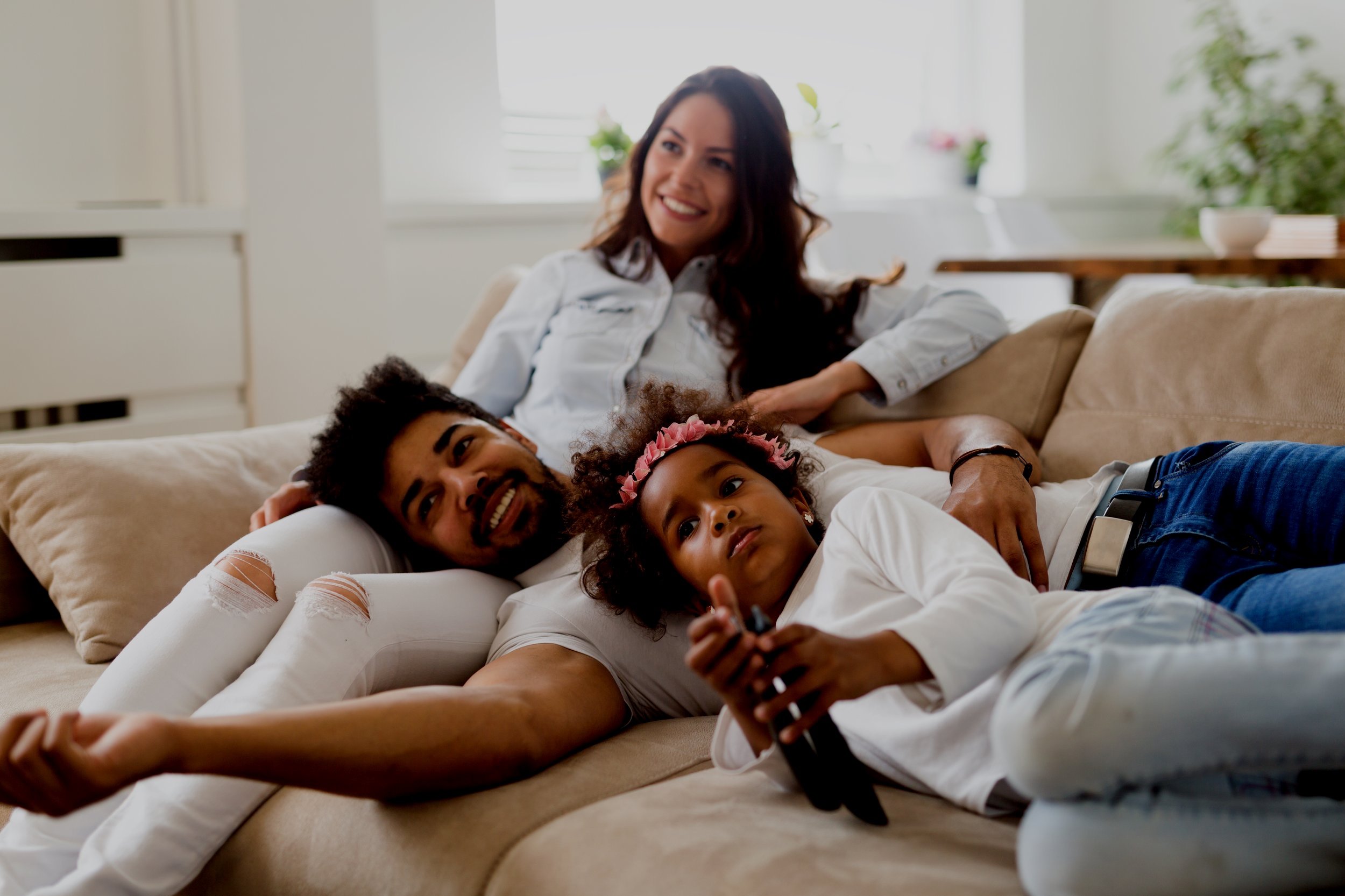
For you, with an Experiential Design, family is a cherished part of your life experience, offering a foundation of belonging, joy, and emotional richness. You engage with your family in a way that brings warmth, creativity, and spontaneity to everyday life. Being with family is not just about duty or tradition—it’s about sharing the fullness of lifewith the people you love most. You naturally infuse your family dynamics with celebration, emotional connection, and a deep desire to create joyful, memorable experiences together.
-
You view family as one of the most essential sources of emotional fulfillment in your life. You’re deeply invested in maintaining an atmosphere of joy and positivity in the home, often going out of your way to bring smiles, laughter, and shared happiness to your loved ones. Whether it’s planning family get-togethers, organizing surprise outings, or simply adding a fun twist to everyday routines, your intention is to make family life a source of delight and comfort.
-
In your family relationships, you’re the one who remembers birthdays, marks milestones, and invents reasons to celebrate life’s everyday victories. You love bringing the family together for celebrations—both big and small—and you thrive on seeing everyone enjoying each other’s company. You believe that life is meant to be enjoyed, and your family often looks to you as the source of festive spirit and joyful energy that brings everyone closer together.
-
While you bring a fun-loving energy to your family, you also provide a deep emotional presence. You care about how your loved ones are feeling and want each person to experience happiness and emotional well-being. You’re likely the person who checks in, gives warm hugs, and offers heartfelt encouragement when someone is down. You value emotional openness and connection, and you foster an environment where family members feel safe to be themselves.
-
Creativity is one of your signature gifts, and you love expressing it within the family. Whether through storytelling, music, art, home projects, or imaginative play, you bring a creative flair to your home life that keeps it dynamic and engaging. You encourage your family members to explore their passions, try new things, and express themselves fully—helping the family grow closer through shared creativity.
-
You deeply value freedom of expression and want each member of your family to feel accepted for who they are. You support each person’s unique journey and encourage their individuality without pressure or judgment. In your family relationships, you foster a culture of acceptance, where everyone’s quirks, dreams, and differences are celebrated as part of the family’s richness.
-
Although you love to have fun, you also serve as a stabilizing emotional force when needed. You’re capable of soothing tense moments, offering comfort during emotional lows, and creating space for meaningful conversations. Your family members often feel that you’re someone they can turn to—not only to celebrate the highs but also to navigate the lows with compassion and care.
-
You enjoy adding spontaneity to family life—impromptu movie nights, dance parties in the living room, or last-minute weekend adventures. Your flexible approach helps your family stay light-hearted, especially during stressful times. You believe that life doesn’t always have to be structured to be meaningful, and your ability to “go with the flow” helps the whole family embrace joy in the moment.
-
Your presence in the family often acts as a catalyst for joy. You bring warmth, light, and laughter into everyday life, and your family naturally gravitates toward your positive energy. You often set the emotional tone in the home, and your commitment to cultivating a light, love-filled atmosphere makes your household feel like a haven.
-
You prioritize quality time with your loved ones, valuing experiences that bring you all closer together. Whether it’s sitting around the dinner table, going on a shared outing, or simply chatting on the couch, you cherish time spent connecting. You understand that love grows through shared moments, and you seek to make those moments memorable and meaningful.
-
More than anything, you desire a deep, joyful connection with your family members. You want them to feel uplifted by your presence and supported by your love. You’re driven to make your home a place where laughter is heard often, creativity flows freely, and everyone feels safe, seen, and celebrated.
Summary
For you, with an Experiential Design, family relationships are a source of emotional nourishment, joy, and creativity. You bring a vibrant, celebratory spirit to your home life, seeking to make each day with your loved ones a meaningful and joyful experience. Through your emotional presence, spontaneity, creativity, and encouragement, you foster a home where each person is free to be themselves, feel deeply loved, and live life with a sense of playfulness and purpose.
10 Things You Tend to Value in Family Relationships
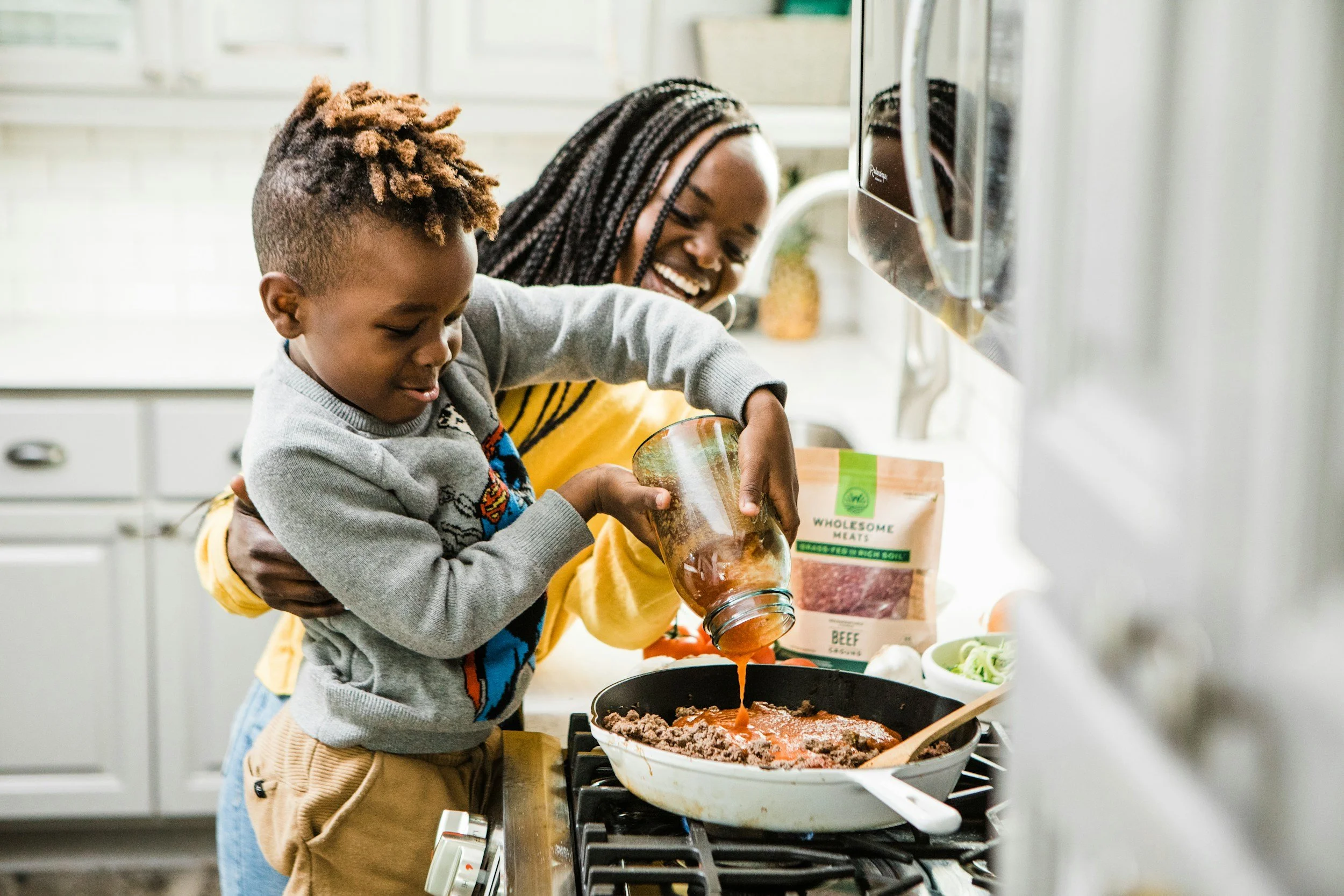

-
Joy is not just a pleasant byproduct of family life for you—it’s the heartbeat of your home experience. You actively look for ways to create moments of laughter, celebration, and lighthearted connection. Whether it’s turning a regular dinner into a dance party, making up silly traditions, or watching comedy as a family, shared joy strengthens the bonds between you and your loved ones.
You see happiness as something that multiplies when it’s experienced together, and you intentionally cultivate an environment where everyone feels emotionally uplifted. For you, joy is both a source of strength and a sign that love is present and alive. -
For you, family is more than shared space—it’s shared heartspace. You long for emotionally rich relationships where everyone feels free to open up, express their feelings, and be truly seen. Small moments of emotional intimacy—like checking in with a sibling, having a deep late-night talk with a parent, or holding space for a child’s meltdown—are incredibly meaningful to you.
You don’t just want to coexist with your family; you want to know them deeply and be known in return. Emotional presence is your way of showing up with love that lingers long after the moment ends. -
Creativity is one of your love languages, and you value a family environment that encourages artistic, personal, and imaginative expression. You appreciate when family members feel safe to be quirky, try new things, and bring their own flavor into the mix. Whether it’s decorating the house together, making up games, or exploring hobbies, you enjoy facilitating opportunities where creativity is celebrated.
A home that stifles creativity feels dull to you—you thrive in a household that embraces color, originality, and play. You believe creativity keeps the family spirit vibrant and emotionally alive. -
Routine has its place, but for you, the beauty is often found in the unplanned moments—a last-minute beach day, an impromptu living room karaoke session, or a spontaneous ice cream run. You value the ability to pivot, adapt, and make room for life’s surprises. Families that can roll with the punches and enjoy spur-of-the-moment fun light you up inside.
You believe that spontaneity is part of what keeps family life exciting, youthful, and full of discovery. In your world, delight is often found in the unexpected. -
In your ideal family dynamic, everyone feels free to be themselves without fear of judgment. You deeply value individuality and encourage each family member to pursue their own passions, interests, and self-expression. You don’t want your loved ones to conform for the sake of tradition or appearance—you want them to thrive in their authenticity.
When people feel accepted for who they are, deeper love can grow. You champion the uniqueness of each person as something to be celebrated, not controlled. -
You see life as a series of moments worth marking and honoring. Whether it’s birthdays, holidays, small wins, or just making it through a tough week, you love to turn everyday life into a celebration. You’re often the one planning decorations, curating playlists, or finding a reason to toast with sparkling cider.
To you, celebration is a way of affirming life’s goodness and bringing your family together in moments of collective joy. You create memories not just by what happens, but by how it’s honored. -
You are intentional about cultivating a positive atmosphere in your home. That doesn’t mean ignoring problems—it means approaching challenges with hope, grace, and an orientation toward what’s possible. You steer conversations toward solutions, highlight silver linings, and seek to inspire optimism in those around you.
Your family members often look to you as the emotional thermostat, and your ability to maintain a bright outlook brings warmth to the entire household. You use joy as a compass, guiding others gently toward peace. -
You highly value the kind of flexibility that allows each family member to adapt, shift, and extend grace as life unfolds. Whether it’s rearranging plans to accommodate someone’s need or choosing not to sweat the small stuff, you believe that a flexible home is a peaceful and joyful one.
You appreciate when family life can be fluid rather than rigid, allowing space for changing moods, unexpected turns, and new opportunities to grow together. Flexibility, to you, is not weakness—it’s love in motion. -
Beneath your joy-loving surface lies a deep well of compassion. When someone in your family is hurting, you instinctively move toward them with warmth, empathy, and comfort. You believe that a family should be a safe emotional harbor—a place where people can cry, process, laugh, and heal.
You’re not afraid of big feelings, and your emotional presence often helps others feel safe enough to let their guard down. You bring a healing energy that turns hardship into shared strength. -
Time together means everything to you. It’s not just about being in the same space—it’s about being engaged, connected, and present. Whether you're cooking a meal together, watching a movie, playing games, or going for a walk, you thrive on shared moments that deepen bonds.
You actively seek to make your time with family members meaningful, often initiating activities that bring everyone closer and reinforce a sense of unity and belonging. Togetherness, to you, is sacred—it’s the soul of what makes family life truly fulfilling.
Final Thoughts
As someone with an Experiential Design, your family relationships are infused with purpose, passion, and playfulness. You bring a powerful blend of emotional intelligence, joy, and authenticity that has the potential to transform your household into a haven of celebration and connection. You don't just "have a family"—you live fully with them, making each moment count, and ensuring that everyone feels seen, loved, and uplifted.
DESIGNS IN FAMILIES
Siblings
Primary Drive: Fulfillment
Core Directionality: emotional aliveness, connection, shared experience, warmth, relational vitality
Within sibling systems, the Experiential design often approaches relationships through emotional atmosphere and shared experience. They naturally pay attention to how the sibling environment feels—whether it is warm, inclusive, joyful, or tense. Rather than focusing primarily on roles, responsibilities, or progress, the Experiential sibling tends to experience the relationship through the quality of connection that exists between them.
They are often highly attuned to:
Emotional tone within the sibling group
Inclusion and exclusion
Closeness versus distance
Shared fun and memory-building
Emotional fairness and sensitivity
Because of this orientation, the Experiential sibling does not simply share space with their brothers and sisters.
They share atmosphere.
At their best, this emotional awareness can become a powerful contribution to the sibling system. The Experiential sibling often becomes:
The connector, helping siblings stay emotionally close
The peacemaker, easing tension when conflict arises
The memory-maker, creating moments that siblings remember for years
The one who keeps emotional bonds alive, reminding the family of its shared joy and belonging
At times, however, this sensitivity to emotional tone can become strained. The Experiential sibling may begin to:
Escalate emotionally when tension appears
Feel rejected easily when closeness shifts
Over-identify with sibling conflict
Create drama or intensity in an attempt to restore connection
As the Experiential individual matures, they learn to pair emotional awareness with steadiness. Their ability to feel deeply becomes less reactive and more grounding, allowing them to nurture connection without becoming overwhelmed by every emotional shift.
Experiential Design — Sibling Compatibility Matrix
Fulfillment Primary • Warmth, belonging, shared experience, emotional vitality
| Sibling Pairing | Core Dynamic | Common Tension | Growth Opportunity |
|---|---|---|---|
| Experiential × Experiential | High warmth, loyalty, shared fun. | Emotional escalation, fusion, drama-for-connection. | Regulate before reacting; keep closeness without enmeshment. |
| Experiential × Intuitive | Emotion meets discernment (deep conversations). | Feeling analyzed vs feeling overwhelmed. | Validate feelings + clarify truth; soften tone on both sides. |
| Experiential × Industrious | Warmth meets steadiness (secure bond). | Experiential wants more expression; Industrious feels pressured. | Support practices emotional language; Fulfillment honors steady love. |
| Experiential × Synergistic | Aliveness meets structure (humanize + stabilize). | “Too rigid” vs “too dramatic.” | Build sustainable warmth: emotion inside rhythm, rhythm serving people. |
| Experiential × Economical | Warmth meets caution (safety + affection). | Guardedness triggers insecurity; intensity overwhelms Resource. | Pace closeness; practice vulnerability without forcing it. |
| Experiential × Enterprising | Fun + momentum (adventure bond). | Enterprising moves on; Experiential feels left behind emotionally. | Keep connection while pursuing goals; don’t tie closeness to performance. |
| Experiential × Conceptual | Creativity + emotion (story + insight). | Conceptual withdraws to think; Experiential interprets as rejection. | Name processing needs; connect through ideas + affection. |
-
Dynamic: Emotion meets perception
The Experiential wants warmth.
The Intuitive wants clarity.Strength:
Deep conversations
Emotional + moral depth
Honest repair after conflict
Tension:
Experiential may feel analyzed
Intuitive may feel emotionally flooded
Growth Edge:
Fulfillment regulates emotional intensity.
Awareness leads with empathy before correction. -
Dynamic: Warmth meets steadiness
This can be a very secure pairing.
Strength:
Industrious provides stability
Experiential brings warmth and play
Strong loyalty
Tension:
Experiential may want more emotional expression
Industrious may feel overwhelmed by emotional demands
Growth Edge:
Fulfillment respects steady love.
Support practices emotional language. -
Dynamic: Emotion meets structure
The Experiential may experience the Synergistic as rigid.
The Synergistic may experience the Experiential as chaotic.Strength:
Order stabilizes emotion
Emotion softens structure
Tension:
Emotional spontaneity disrupts routines
Structure feels restrictive
Growth Edge:
Fulfillment tolerates structure.
Order tolerates emotional waves. -
Dynamic: Emotion meets momentum
The Enterprising pushes forward.
The Experiential wants shared experience.Strength:
Energetic, dynamic sibling bond
Adventure, risk, celebration
Tension:
Experiential may feel left behind emotionally
Enterprising may feel slowed by emotional processing
Growth Edge:
Fulfillment respects autonomy.
Progress values emotional connection. -
Dynamic: Emotion meets caution
The Experiential may feel the Economical is reserved.
The Economical may feel the Experiential is intense.Strength:
Resource creates safety
Fulfillment brings warmth
Tension:
Emotional highs may overwhelm Resource
Guardedness may trigger Fulfillment insecurity
Growth Edge:
Fulfillment respects emotional pacing.
Resource practices vulnerability. -
Dynamic: Emotion meets intellect
The Experiential wants emotional exchange.
The Conceptual wants idea exchange.Strength:
Creative bonding
Shared imagination
Emotional storytelling + insight
Tension:
Conceptual may detach to think
Experiential may interpret that as rejection
Growth Edge:
Fulfillment tolerates processing space.
Discovery engages emotionally, not just intellectually. -
Dynamic: Emotional resonance
This can be:
Deeply bonded
Highly affectionate
Dramatic
Intense
Strength:
Strong emotional loyalty
Shared humor
Powerful attachment
Tension:
Emotional escalation cycles
Co-dependent patterns
Amplified highs and lows
Growth Edge:
Both regulate before reacting.
Connection without fusion.
Summary
Within sibling systems, the Experiential design often assumes roles such as:
The emotional glue
The reconciler
The fun initiator
The atmosphere-setter
Rather than measuring sibling relationships primarily through responsibility, progress, or structure, they tend to evaluate the bond through emotional climate and shared experience, such as:
Warmth
Inclusion
Shared joy
Emotional safety
Because of this orientation, their internal dialogue often sounds like:
Are we okay?
Do we still feel close?
Was I left out?
Why does this feel cold?
Are we having fun together?
At times, this deep sensitivity to emotional tone can become strained. The Experiential sibling may begin to:
Personalize conflict
Escalate emotions in an effort to force repair
Seek constant reassurance that the relationship is secure
As the Experiential individual matures, their emotional awareness becomes more steady and constructive. They begin to:
Regulate emotional waves rather than react to them
Allow differentiation without interpreting distance as rejection
Build sustainable warmth instead of dramatic intensity
They do not simply relate to their siblings.
They feel the relationship continuously, helping the sibling system stay emotionally alive and connected.
DESIGNS RAISING CHILDREN
When Fulfillment Raises a Child
Primary Drive: Fulfillment
Core Directionality: emotional aliveness, joy, connection, shared experience, relational warmth
The Experiential parent raises children through atmosphere and emotional presence. While other designs may parent primarily through structure, discernment, or strategy, the Experiential parent often guides their children through connection, shared joy, and meaningful moments together. Their natural orientation toward Fulfillment leads them to cultivate an environment where emotional life is openly experienced and shared.
For the Experiential parent, parenting is not primarily about control or optimization. It is about connection and emotional aliveness—creating a home where children feel deeply seen, welcomed, and included in the life of the family.
They want their child to feel:
Wanted
Seen
Enjoyed
Emotionally safe
Alive and connected
Because of their sensitivity to emotional atmosphere, the Experiential parent is often highly aware of the relational tone of the home. They tend to notice quickly when a child feels distant, withdrawn, or disconnected, and they are often motivated to restore warmth and closeness.
At their best, Experiential parents create homes filled with warmth, laughter, play, and emotional accessibility. Children raised in this environment often grow up feeling deeply valued and emotionally connected to their family.
At times, however, this emotional sensitivity can become strained. The home may become emotionally reactive or inconsistent in structure if connection becomes the only focus and boundaries or steadiness are harder to maintain.
As the Experiential parent matures, they learn to pair emotional warmth with stability. In doing so, they create a home where children experience not only joy and connection—but also steady, enduring emotional security.
-
An Experiential parent tends to offer:
Emotional expressiveness
Physical affection
Shared rituals and memory-building
Celebration of individuality
Emotional validation
Quick relational repair
They are often intuitive about their child’s emotional state.
-
At their healthiest:
The home feels warm and alive
Feelings are allowed and processed
Laughter is frequent
Conflict is relationally repaired
In distortion:
Emotional volatility
Over-identification with the child’s feelings
Difficulty holding boundaries
Using closeness to avoid discipline
-
Because Fulfillment fears emotional loss, the Experiential parent often fears:
“What if my child disconnects from me?”
This can produce:
Over-accommodation
Struggling with healthy separation
Taking emotional withdrawal personally
Difficulty letting the child individuate
Mature Fulfillment learns:
Love does not require emotional fusion.
Warmth can coexist with boundaries. -
They prefer:
Emotional dialogue
Repair over punishment
Relational explanation
Comfort after correction
They may struggle with:
Consistent enforcement
Consequences that feel emotionally distancing
In maturity, they integrate Order (structure) and Support (steadiness) to balance warmth with clarity.
-
When integrated with:
Order (structure)
Support (consistency)
Awareness (clarity)
They become:
Emotionally safe but not enmeshed
Affectionate but boundaried
Expressive but stable
Joyful but grounded
They raise children who:
Understand their emotions
Feel relationally secure
Express affection comfortably
Experience connection without dependency
Experiential Parent Matrix
How each child design responds to a Fulfillment-primary (Experiential) parent
| Child’s Design | Child’s Receptivity to Experiential Parent | Natural Compatibility | Growth Opportunity (For Parent & Child) |
|---|---|---|---|
| Experiential (Fulfillment) | Very high. Child feels emotionally mirrored, enjoyed, and deeply seen. | Strong emotional resonance, play, and warmth. Easy bonding through shared experiences. |
Parent: add structure and boundaries without fear of disconnection. Child: develop emotional regulation and independence (connection without fusion). |
| Intuitive (Awareness) | Moderate. Child appreciates warmth but may feel overwhelmed by emotional intensity or constant check-ins. | Complementary when warmth is paired with clarity and respect for emotional pacing. |
Parent: respect space; use calm, clear language alongside affection. Child: practice receiving warmth without retreating into over-analysis. |
| Industrious (Support) | High. Child feels valued and affirmed; responds well to emotional appreciation. | Warmth meets reliability. The pairing becomes stabilizing when routines are consistent. |
Parent: reinforce responsibility and follow-through alongside affection. Child: practice expressing needs and feelings, not only showing up through duty. |
| Synergistic (Order) | Variable. Child may enjoy warmth but crave predictability; inconsistency can create stress. | Strong when the parent provides steady rhythms and respectful structure. |
Parent: increase consistency; keep promises and routines. Child: soften rigidity and learn spontaneous joy within stable structure. |
| Economical (Resource) | Moderate. Child values security; may feel emotionally overstimulated if intensity is high. | Works well when the parent honors boundaries and provides dependable safety. |
Parent: validate prudence and allow quiet time; don’t take distance personally. Child: practice emotional generosity and connection without fear of “cost.” |
| Enterprising (Progress) | Moderate to high. Child enjoys celebration and encouragement; may resist emotional “slowing down.” | Energizing when the parent supports momentum without tying love to performance. |
Parent: avoid making achievement the main bonding channel; affirm character too. Child: develop emotional attunement and relational patience. |
| Conceptual (Discovery) | Moderate. Child appreciates affirmation but may prefer idea-based engagement over emotional immersion. | Strong when the parent joins curiosity (questions, imagination) along with warmth. |
Parent: engage the child’s mind, not only their feelings; build “idea connection.” Child: integrate emotional expression and embodied connection alongside thinking. |